
The fashion industry is undergoing a seismic shift, with sustainability moving from a niche concern to a mainstream imperative. As we look towards 2026, the landscape of sustainable fashion deals is more complex and exciting than ever before. Consumers are increasingly demanding transparency, ethical production, and eco-friendly materials, pushing brands to adapt or risk being left behind. However, with this surge in demand comes a parallel rise in greenwashing – misleading claims designed to make products appear more sustainable than they truly are. This comprehensive handbook is your essential guide to navigating this evolving market, empowering you to spot truly authentic sustainable fashion deals and make choices that benefit both your wardrobe and the planet.
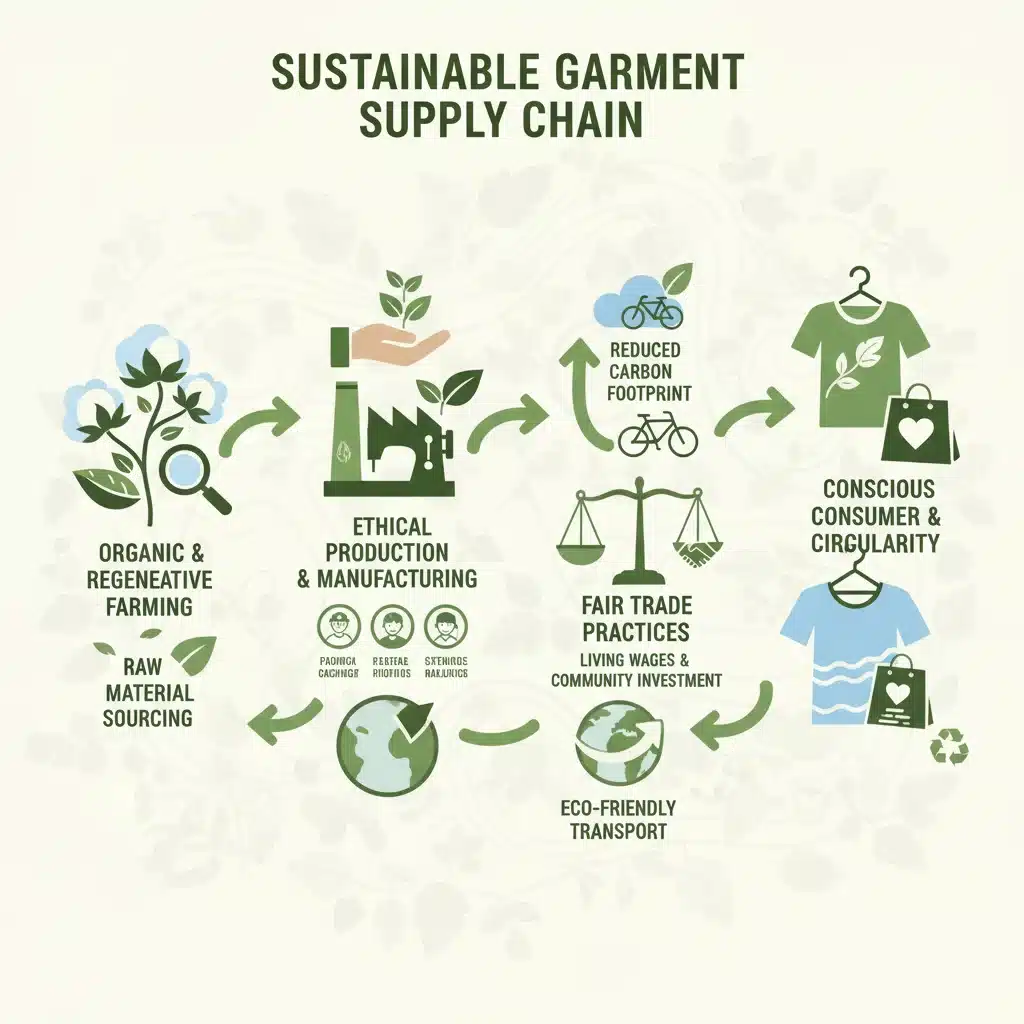
Understanding what constitutes ‘sustainable’ in fashion is the first step. It’s not just about one aspect; it’s a holistic approach encompassing environmental impact, social responsibility, and economic viability. From the sourcing of raw materials to the manufacturing processes, labor conditions, and end-of-life considerations, every stage of a garment’s lifecycle plays a crucial role. In 2026, savvy shoppers will be armed with the knowledge to look beyond surface-level claims and delve into the genuine practices of brands. This guide will equip you with that insider knowledge, ensuring your pursuit of sustainable fashion deals is both impactful and rewarding.
Anúncios
The Evolving Landscape of Sustainable Fashion in 2026
The fashion world is a dynamic entity, constantly reinventing itself. In 2026, the push for sustainability has reached new heights. Regulatory bodies are becoming stricter, consumer awareness is at an all-time high, and technological advancements are offering unprecedented solutions for eco-friendly production. This means that brands are under immense pressure to genuinely integrate sustainable practices, not just market them. For those seeking sustainable fashion deals, this environment presents both opportunities and challenges. The opportunities lie in a wider array of genuinely sustainable products becoming available, often at competitive prices as economies of scale improve. The challenge, however, is cutting through the noise and identifying which deals are truly aligned with sustainable values.
We’re seeing a rise in circular fashion models, where garments are designed for longevity, repair, and eventual recycling. Rental and resale platforms are booming, offering alternatives to new purchases and extending the life of clothing. Innovations in material science are introducing exciting new textiles like lab-grown leather, mushroom-based fabrics, and advanced recycled fibers. Understanding these trends is key to identifying where the real sustainable fashion deals will be found. It’s no longer just about organic cotton; it’s about a complete ecosystem of sustainable practices.
Anúncios
Decoding Greenwashing: Your Shield Against Misleading Claims
Greenwashing remains one of the biggest hurdles for consumers trying to find authentic sustainable fashion deals. As brands recognize the market demand for eco-friendly products, some resort to deceptive marketing tactics that exaggerate their environmental efforts or distract from their unsustainable practices. In 2026, these tactics are becoming more sophisticated, making it harder for the untrained eye to differentiate genuine commitment from clever PR.
Common Greenwashing Tactics to Watch Out For:
- Vague Language: Phrases like ‘eco-friendly,’ ‘natural,’ or ‘sustainable’ without specific details or certifications are red flags. What exactly makes it eco-friendly?
- Irrelevant Claims: Highlighting one small sustainable aspect while ignoring larger, more damaging practices (e.g., ‘BPA-free’ plastic when the product is still single-use and non-recyclable).
- Hidden Trade-offs: Emphasizing one sustainable attribute while overlooking another significant environmental or social impact (e.g., organic cotton produced with excessive water usage in a drought-stricken region).
- Lack of Transparency: Brands that don’t disclose their supply chains, factory conditions, or material sourcing are likely hiding something.
- False Labels or Certifications: Be wary of unofficial-looking badges or logos that resemble legitimate certifications but are self-created or lack credible backing.
To effectively spot sustainable fashion deals, you need to develop a critical eye. Always question claims, look for verifiable evidence, and prioritize brands that are transparent about their entire production process. A truly sustainable brand will proudly share details about their factories, material origins, and labor practices, often backed by third-party certifications.
Key Indicators of Genuinely Sustainable Fashion Deals
When searching for sustainable fashion deals, knowing what to look for can save you time and ensure your purchases align with your values. Here are the crucial indicators that signify a truly sustainable product or brand:
1. Material Matters: The Foundation of Sustainability
The fibers used in clothing have a significant impact. Prioritize deals on garments made from:
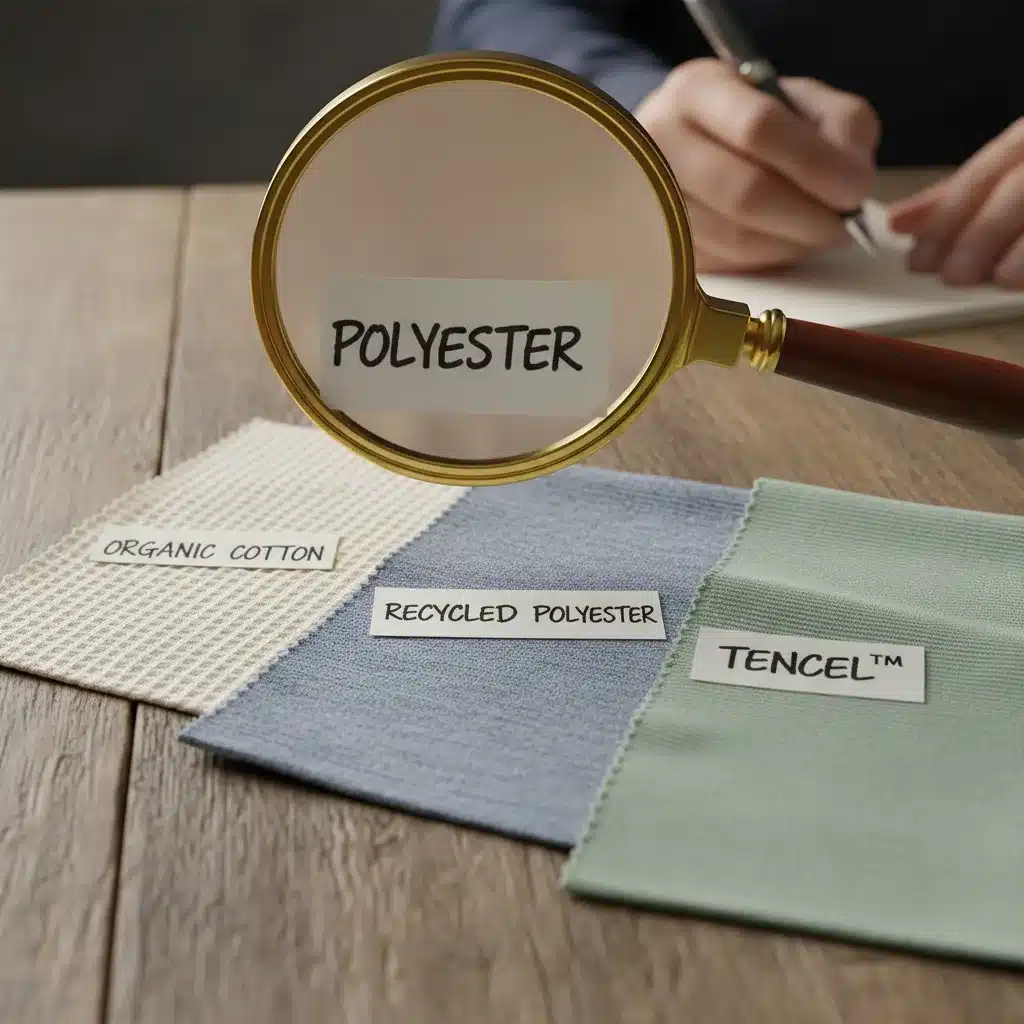
- Organic and Certified Fibers: Look for certifications like GOTS (Global Organic Textile Standard) for organic cotton, linen, and hemp, ensuring no harmful pesticides or synthetic fertilizers were used.
- Recycled Materials: Recycled polyester (rPET) made from plastic bottles, recycled cotton, or regenerated nylon (e.g., ECONYL) reduce waste and conserve resources. Verify the percentage of recycled content.
- Innovative and Regenerative Materials: Keep an eye out for Tencel/Lyocell (made from sustainably sourced wood pulp in a closed-loop system), Piñatex (pineapple leaf fiber), Mylo (mushroom leather), and other bio-based alternatives that minimize environmental footprint.
- Natural Dyes and Low-Impact Dyes: Traditional dyeing processes are often water-intensive and polluting. Seek out brands using natural dyes, low-impact dyes, or innovative waterless dyeing techniques.
2. Ethical Production and Fair Labor Practices
Sustainability extends beyond environmental concerns to include social responsibility. A truly sustainable fashion deal means no exploitation in the supply chain.
- Fair Trade Certifications: Organizations like Fair Trade Certified ensure fair wages, safe working conditions, and community development for workers.
- Supply Chain Transparency: Brands that openly share information about their factories, suppliers, and manufacturing locations are more likely to be ethical. Look for maps, supplier lists, and detailed reports on their websites.
- Worker Welfare Programs: Does the brand invest in programs for worker education, health, and well-being?
3. Circularity and Longevity: Designed for the Future
The concept of a linear ‘take-make-dispose’ model is outdated. Sustainable fashion deals often involve products designed for a longer life cycle.
- Durability and Quality: Invest in well-made garments that will last, reducing the need for frequent replacements. Look for strong stitching, quality fabrics, and timeless designs.
- Repairability: Does the brand offer repair services or provide guidance on how to repair their products?
- Take-Back Programs: Some brands offer programs where you can return old garments for recycling or upcycling, closing the loop.
- Resale and Rental Initiatives: Support brands that actively promote or participate in the resale and rental economy.
4. Water and Energy Conservation
Manufacturing clothing can be incredibly resource-intensive. Look for brands that are actively minimizing their footprint.
- Water-Saving Technologies: Brands using innovative dyeing or finishing processes that significantly reduce water consumption.
- Renewable Energy: Factories powered by solar, wind, or other renewable energy sources.
- Reduced Chemical Use: Beyond dyes, consider brands that minimize the use of hazardous chemicals throughout their production.
Where to Find the Best Sustainable Fashion Deals in 2026
Finding genuine sustainable fashion deals requires knowing where to look. The traditional retail landscape is changing, and new avenues are emerging for conscious consumers.
1. Direct-to-Consumer (DTC) Ethical Brands
Many sustainable brands operate primarily online, cutting out intermediaries and often offering more competitive pricing. These brands typically have strong transparency in their supply chains and are keen to communicate their sustainable practices directly to consumers. Sign up for their newsletters to be notified of sales and exclusive sustainable fashion deals.
2. Certified Resale and Rental Platforms
The circular economy is booming, and platforms dedicated to reselling or renting high-quality garments are excellent sources for sustainable fashion deals. Buying pre-owned extends the life of a garment and significantly reduces its environmental impact. Look for platforms that specialize in designer or high-quality brands for better durability. Rental services allow you to enjoy fashion without the commitment of ownership, perfect for special occasions or trying out new styles sustainably.
3. End-of-Season Sales and Outlet Stores (with Caution)
While traditional sales can offer sustainable fashion deals, approach them with caution. Ensure you’re buying from brands that are genuinely sustainable in their core practices, not just clearing excess inventory from unsustainable production. Look for dedicated sustainable collections or specific product lines that meet the criteria outlined above.
4. Local Boutiques and Artisan Markets
Often, small independent boutiques and artisan markets champion local designers who prioritize sustainable and ethical production. You might find unique pieces and support local economies, often with the opportunity to speak directly with the creator about their processes.
5. Online Marketplaces Specializing in Sustainability
Several online platforms curate sustainable brands, making it easier to filter by certifications, materials, and ethical practices. These marketplaces often do the initial vetting for you, increasing your chances of finding authentic sustainable fashion deals.
Leveraging Technology for Smart Sustainable Shopping
In 2026, technology is your ally in the quest for sustainable fashion deals. Several tools and apps can help you make informed decisions:
- Sustainability Rating Apps: Apps like Good On You provide detailed ratings of brands based on their impact on people, the planet, and animals. Use these to quickly assess a brand’s sustainability credentials.
- Blockchain Technology: Some pioneering brands are using blockchain in fashion to provide immutable records of their supply chain, offering unprecedented transparency. Look for QR codes on garments that link to this information.
- AI-Powered Product Scanners: Emerging technologies allow you to scan product labels or images to get instant information on material composition, ethical sourcing, and environmental impact.
- Browser Extensions: Install extensions that highlight sustainable alternatives or warn you about greenwashing as you browse online stores.
Embracing these technological aids can significantly streamline your search for sustainable fashion deals, turning what might seem like a daunting task into an efficient and informed shopping experience.
The True Cost of Fast Fashion vs. Value of Sustainable Deals
While the initial price tag of a fast fashion item might seem appealing, it rarely reflects the true cost. Fast fashion often comes at a high price to the environment and human rights. Cheap garments are typically made from synthetic, non-biodegradable materials, produced in factories with poor labor conditions, and designed to be discarded quickly, contributing to massive textile waste.
Sustainable fashion deals, on the other hand, represent an investment. While the upfront cost might sometimes be higher than fast fashion, the longevity, quality, and ethical production of these items offer far greater long-term value. A well-made, sustainably produced garment will last longer, reducing your need to replace it frequently. This not only saves you money over time but also minimizes your environmental footprint. Think of it as cost-per-wear: a durable, ethical piece that you wear for years will ultimately be cheaper and more sustainable than multiple fast fashion items that quickly fall apart.
Building a Sustainable Wardrobe on a Budget
The misconception that sustainable fashion is inherently expensive can deter many. However, finding sustainable fashion deals and building an ethical wardrobe is entirely possible on a budget with a strategic approach.
Tips for Budget-Friendly Sustainable Shopping:
- Prioritize Needs Over Wants: Before buying, assess what you truly need. A minimalist approach reduces unnecessary consumption.
- Invest in Staples: Focus your budget on high-quality, versatile basics that can be mixed and matched. These are often where the best sustainable fashion deals on durable items can be found.
- Embrace Secondhand: Thrifting, consignment stores, and online resale platforms are treasure troves for unique and affordable sustainable pieces. This is arguably the most sustainable way to shop.
- Learn to Repair: Basic sewing skills can extend the life of your clothes, saving you money and reducing waste.
- Swap and Share: Organize clothing swaps with friends or participate in community swap events to refresh your wardrobe without spending a dime.
- Wait for Sales: Follow your favorite sustainable brands and wait for their seasonal sales. Sustainable fashion deals are often available during these periods, allowing you to get quality items at a reduced price.
- Consider DIY and Upcycling: Transform old garments into new ones. This creative approach is both sustainable and uniquely personal.
The Future of Sustainable Fashion Deals: What to Expect Beyond 2026
The journey towards a fully sustainable fashion industry is ongoing. Beyond 2026, we can anticipate even greater innovation and integration of ethical practices. Expect to see:
- Hyper-Transparency: More brands adopting blockchain and AI to provide granular detail about every step of their supply chain.
- Biodegradable and Regenerative Materials: A wider array of materials that not only minimize harm but actively benefit the environment, such as regenerative cotton or algae-based fabrics.
- Personalized Circular Services: Tailored repair services, advanced recycling programs, and personalized rental options becoming standard.
- Policy and Regulation: Stricter government regulations globally, pushing all brands towards higher sustainability standards, making it easier to find genuine sustainable fashion deals.
- Consumer Power: An increasingly informed and empowered consumer base driving demand for authentic sustainability, holding brands accountable.
Your role as a conscious consumer is paramount in shaping this future. Every purchase you make, especially when seeking out sustainable fashion deals, sends a message to the industry. By supporting brands that prioritize people and the planet, you contribute to a more just and sustainable world.
Conclusion: Empowering Your Sustainable Fashion Journey
Navigating the world of sustainable fashion deals in 2026 doesn’t have to be overwhelming. Armed with the insider knowledge from this handbook, you are now equipped to make informed choices that align with your values. Remember to look beyond flashy marketing, scrutinize material claims, prioritize ethical production, and embrace circularity. The power to transform the fashion industry lies in your hands, one conscious purchase at a time.
By actively seeking out genuine sustainable fashion deals, you are not just updating your wardrobe; you are investing in a healthier planet, fairer labor practices, and a more responsible future for fashion. Stay curious, stay critical, and enjoy the rewarding journey of building a truly sustainable and stylish wardrobe.