
The fashion industry is at a crossroads. As consumers become increasingly aware of the environmental impact of their clothing choices, the demand for sustainable alternatives is surging. France, a global leader in style and innovation, is uniquely positioned to lead this charge. This comprehensive guide, ‘Guide pratique 2026 : Réduire de 30% l’empreinte carbone de votre garde-robe grâce aux marques françaises engagées,’ aims to empower you to reduce your wardrobe’s carbon footprint by a significant 30% by 2026, primarily through embracing Sustainable French Fashion brands. We will delve into the current landscape, practical strategies, and highlight key French players making a difference.
Anúncios
Our journey towards a more sustainable wardrobe begins with understanding the problem. The fashion industry is a major polluter, contributing significantly to greenhouse gas emissions, water pollution, and waste. Fast fashion, with its rapid production cycles and disposable garments, exacerbates these issues. However, a growing movement of brands, particularly in France, is demonstrating that style and sustainability are not mutually exclusive. By focusing on quality, durability, ethical production, and innovative materials, these brands offer a path to a more responsible and stylish future.
This article will serve as your practical roadmap, offering actionable steps and insights to transform your wardrobe. We will explore how to identify truly sustainable brands, understand certifications, make informed purchasing decisions, and extend the life of your garments. By 2026, our collective efforts can make a tangible difference, and your wardrobe can become a testament to your commitment to a healthier planet. Let’s embark on this exciting journey to embrace Sustainable French Fashion and contribute to a greener future.
Anúncios
Understanding the Environmental Impact of Your Wardrobe
Before we dive into solutions, it’s crucial to grasp the scale of the challenge. The fashion industry is responsible for around 10% of global carbon emissions, more than international flights and maritime shipping combined. This staggering figure encompasses everything from raw material extraction and manufacturing to transportation and disposal. The production of a single cotton t-shirt, for example, can require thousands of liters of water and significant amounts of pesticides, while synthetic fibers like polyester are derived from fossil fuels and contribute to microplastic pollution.
Beyond emissions, the industry’s impact extends to water scarcity, chemical pollution from dyeing and finishing processes, and vast amounts of textile waste ending up in landfills. The average consumer buys 60% more clothing today than 15 years ago, but keeps each garment for only half as long. This cycle of overconsumption and disposal is unsustainable. Our goal of reducing your wardrobe’s carbon footprint by 30% by 2026 is ambitious but achievable, requiring a shift in mindset and purchasing habits towards Sustainable French Fashion.
Understanding your personal carbon footprint from clothing is the first step. While precise calculations can be complex, general awareness of the environmental cost of different materials and production methods is vital. Opting for organic cotton, linen, hemp, or recycled materials over conventional cotton or virgin synthetics can significantly reduce your impact. Supporting brands with transparent supply chains and ethical manufacturing practices further contributes to a positive change. This foundational understanding will empower you to make more informed choices as you explore the world of Sustainable French Fashion.
Setting Your 30% Carbon Footprint Reduction Goal for 2026
Achieving a 30% reduction in your wardrobe’s carbon footprint by 2026 requires a strategic approach. This isn’t just about buying fewer clothes; it’s about buying smarter, extending the life of what you own, and supporting brands that align with your values. Here’s a framework to guide your efforts:
1. Audit Your Current Wardrobe
Start by taking stock of what you already own. What materials are your clothes made from? How often do you wear each item? Are there items you no longer need that could be donated, sold, or upcycled? This audit helps identify consumption patterns and areas for improvement. Consider using a spreadsheet or an app to track your garments and their origins. Understanding your current impact is the baseline for measuring your 30% reduction.
2. Prioritize Quality Over Quantity
The cornerstone of Sustainable French Fashion is quality and timeless design. Investing in well-made garments that last longer reduces the need for frequent replacements. This directly translates to fewer resources consumed in production and less waste. Think about classic pieces that can be mixed and matched, forming a versatile and durable capsule wardrobe. This approach not only reduces your carbon footprint but can also save money in the long run.
3. Embrace Second-Hand and Circular Fashion
Buying pre-owned clothing is one of the most effective ways to reduce your environmental impact. It extends the life of garments, diverting them from landfills and eliminating the need for new production. Explore vintage shops, consignment stores, online marketplaces, and clothing swap events. Many Sustainable French Fashion brands are also incorporating circular models, offering repair services or take-back programs for their products, closing the loop on textile waste.
4. Care for Your Clothes Properly
The way you care for your clothes significantly impacts their lifespan and environmental footprint. Washing less frequently, using cold water, air-drying instead of tumble-drying, and repairing minor damages can drastically reduce energy consumption and prolong garment life. Simple habits like folding rather than hanging certain knits can prevent stretching and maintain shape, further extending usability. Proper care is an often-overlooked but powerful tool in reducing your carbon footprint.
5. Support Truly Sustainable French Fashion Brands
This is where the ‘marques françaises engagées’ come into play. By consciously choosing brands that prioritize ethical production, sustainable materials, fair labor practices, and transparency, you directly contribute to a more responsible industry. We’ll explore how to identify these brands in the next section, providing concrete examples that embody the spirit of Sustainable French Fashion.
By systematically implementing these strategies, you can confidently work towards and achieve your 30% carbon footprint reduction goal by 2026. Each small decision collectively builds towards a significant positive impact on the planet.
Identifying Committed French Brands: The Heart of Sustainable French Fashion
Navigating the world of sustainable fashion can be challenging, with terms like ‘eco-friendly’ and ‘green’ often used without robust backing. To truly reduce your carbon footprint, it’s essential to identify French brands genuinely committed to sustainability. Here’s what to look for:
Transparency and Certifications
A truly sustainable brand is transparent about its supply chain, from raw materials to manufacturing. Look for detailed information on their websites regarding their factories, material sourcing, and labor practices. Certifications provide independent verification of a brand’s claims. Key certifications to look for include:
- GOTS (Global Organic Textile Standard): Ensures organic status of textiles from harvesting of the raw materials through environmentally and socially responsible manufacturing.
- Oeko-Tex Standard 100: Guarantees that textiles and fabrics are free from harmful substances.
- Fair Trade Certified: Ensures fair wages, safe working conditions, and community development for workers.
- BCorp Certification: A holistic certification for companies meeting high standards of verified social and environmental performance, public transparency, and legal accountability.
- European Flax: Certifies linen grown in Western Europe, ensuring local production, no irrigation (rain-fed), and no GMOs.
Many Sustainable French Fashion brands proudly display these certifications, offering peace of mind that your purchase aligns with ethical and environmental values.
Material Innovation and Sourcing
The choice of materials is critical. Look for brands using:
- Organic & Recycled Cotton: Significantly reduces water and pesticide use compared to conventional cotton. Recycled cotton gives new life to textile waste.
- Linen & Hemp: These natural fibers are highly sustainable, requiring minimal water and pesticides, and are incredibly durable. France is a major producer of high-quality linen.
- Recycled Polyester (rPET): Made from recycled plastic bottles, it reduces reliance on virgin fossil fuels and diverts plastic waste.
- Lyocell (Tencel): A sustainable fiber made from wood pulp in a closed-loop system, minimizing chemical and water use.
- Innovative Bio-based Materials: Some pioneering French brands are experimenting with materials like mushroom leather, pineapple leaf fibers, or even algae-based textiles.
Brands committed to Sustainable French Fashion will prioritize these materials, often explaining their benefits and sourcing practices.
Local Production and Circularity
Reducing transportation emissions is key. Many French brands emphasize ‘Made in France’ or ‘Made in Europe’ production, supporting local economies and reducing their carbon footprint. Furthermore, look for brands that integrate circular economy principles:
- Repair Services: Offering repairs to extend product life.
- Take-Back Programs: Allowing customers to return old garments for recycling or upcycling.
- Upcycling & Deadstock Use: Creating new garments from existing materials or leftover fabrics from other productions.
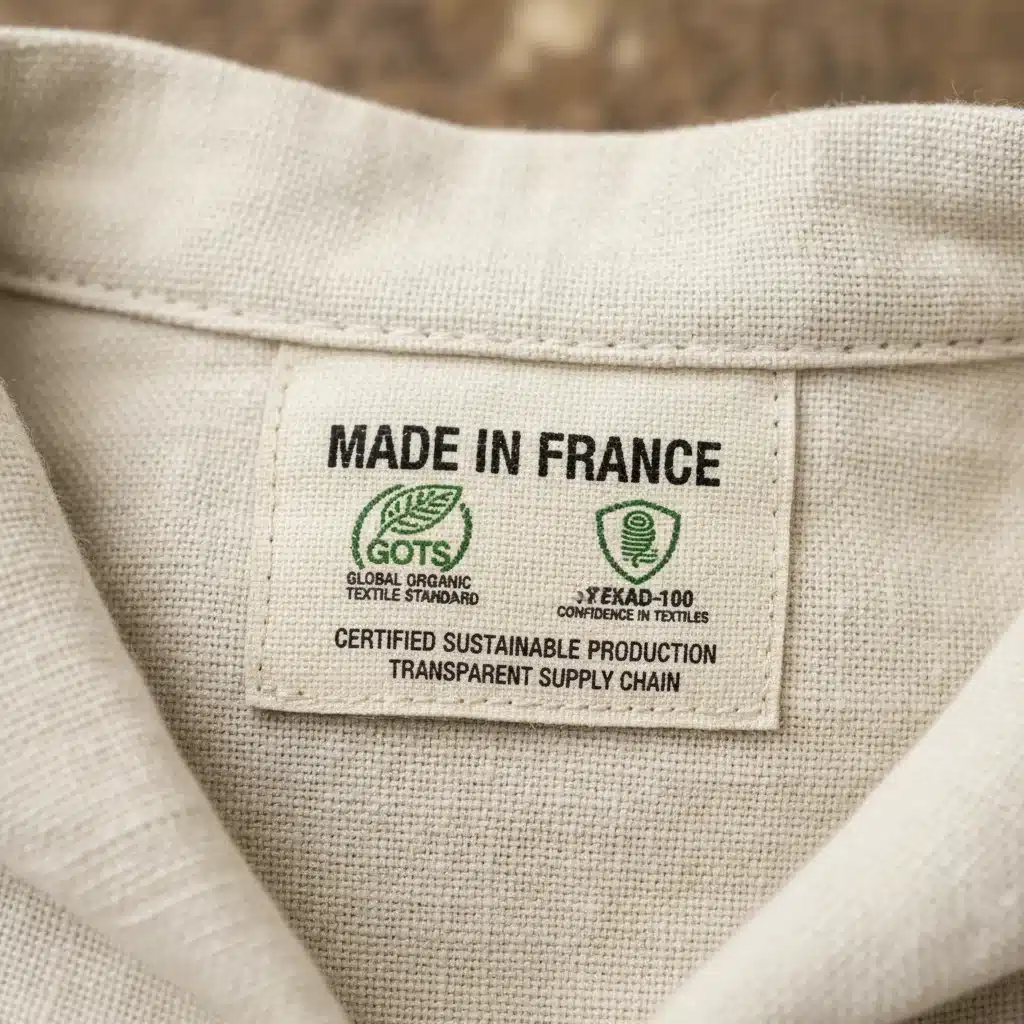
These practices are hallmarks of truly engaged Sustainable French Fashion brands. By focusing on these criteria, you can confidently choose brands that are genuinely contributing to a more sustainable future, making your 30% carbon footprint reduction goal a tangible reality.
Key Players in Sustainable French Fashion: Brands to Watch
France is home to a vibrant and growing community of brands dedicated to ethical and eco-responsible practices. Here are a few examples that embody the spirit of Sustainable French Fashion, demonstrating how style, quality, and sustainability can coexist:
Veja
Perhaps one of the most recognizable names globally, Veja has revolutionized the sneaker industry with its commitment to transparency, organic and fair-trade cotton, wild rubber from the Amazon, and recycled plastics. They avoid advertising, investing instead in their production chain, ensuring fair wages for producers. Veja proves that iconic style can be achieved with a minimal environmental footprint.
Patine
Patine is a French brand focused on creating timeless, high-quality essentials made from organic cotton and recycled materials. They emphasize local production and a short supply chain, producing their collections in Portugal and France. Their philosophy is about buying less but better, offering durable pieces designed to last. They are a prime example of a brand committed to core Sustainable French Fashion principles.
Sézane (and its sister brand Octobre Editions for men)
While larger than some niche sustainable brands, Sézane has made significant strides in sustainability. They use a high percentage of eco-friendly materials (organic cotton, recycled polyester, certified linen), are B Corp certified, and have a strong commitment to transparency. Their ‘Demain’ program supports various charitable causes. Sézane offers chic, timeless pieces that are increasingly produced with sustainability in mind, making them a good entry point into Sustainable French Fashion.
Le Slip Français
Known for its ‘Made in France’ ethos, Le Slip Français is dedicated to reviving French textile manufacturing. They produce underwear, swimwear, and loungewear using locally sourced materials and factories across France, drastically reducing their carbon footprint from transportation. Their commitment to local employment and quality makes them a leader in responsible French production and a fantastic example of Sustainable French Fashion.
Noyoco
Noyoco is a menswear brand that focuses on minimalist design and sustainable materials. They use innovative fabrics like recycled wool, organic cotton, and upcycled materials. Their production is primarily in Europe, with a strong emphasis on reducing waste and promoting circularity. Noyoco demonstrates that masculine style can also be inherently sustainable.
Loom
Loom is a brand dedicated to creating basic, durable clothing with a strong emphasis on transparency and ethical production. They meticulously choose their materials (organic cotton, linen) and work with factories that ensure fair labor practices. Their philosophy is about challenging fast fashion by offering fewer, higher-quality items designed to last for years, embodying the true spirit of Sustainable French Fashion.
These brands are just a few examples of the many French companies paving the way for a more sustainable fashion future. By researching and supporting brands like these, you’re not only investing in quality clothing but also in a healthier planet and a more ethical industry. Make these committed French brands your go-to as you transition to a 30% reduced carbon footprint wardrobe by 2026, solidifying your commitment to Sustainable French Fashion.
Practical Strategies for a Low-Carbon Wardrobe by 2026
Achieving a 30% reduction in your wardrobe’s carbon footprint by 2026 goes beyond just buying from Sustainable French Fashion brands. It involves a holistic approach to how you acquire, use, and dispose of your clothing. Here are practical strategies to integrate into your daily life:
1. Embrace the Capsule Wardrobe Concept
A capsule wardrobe consists of a limited number of versatile, high-quality pieces that can be mixed and matched to create numerous outfits. This approach reduces impulsive purchases, minimizes clutter, and encourages mindful consumption. By focusing on timeless styles and durable materials, you naturally reduce the need for frequent replacements, directly impacting your carbon footprint. French women are renowned for their chic, minimalist wardrobes, making this a natural fit for Sustainable French Fashion.
2. Learn Basic Repair and Upcycling Skills
Don’t discard a garment at the first sign of damage. Learning to sew on a button, mend a tear, or replace a zipper can significantly extend the life of your clothes. For more creative individuals, upcycling old garments into new items (e.g., turning jeans into shorts or a shirt into a tote bag) diverts waste from landfills and reduces the demand for new production. This DIY approach is a powerful way to reduce your environmental impact.
3. Participate in Clothing Swaps and Rental Services
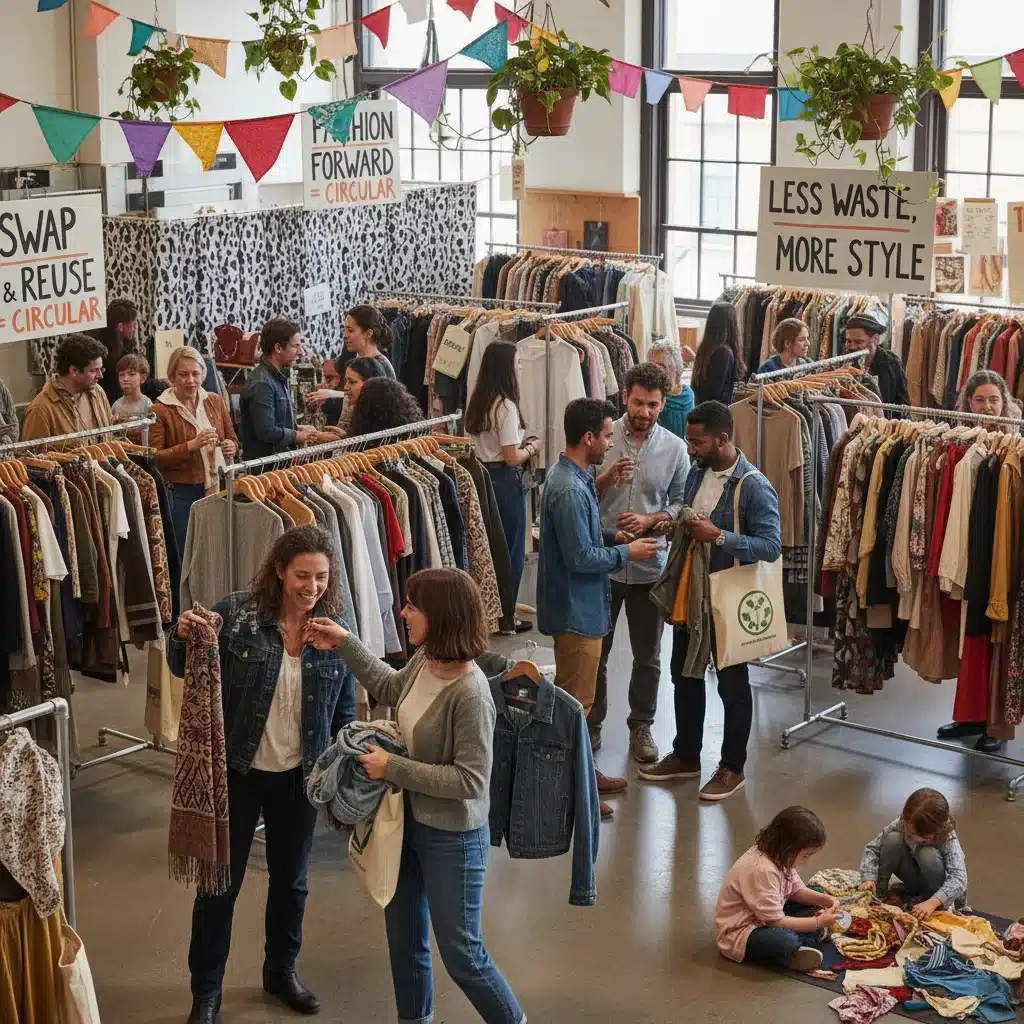
Circular fashion initiatives offer fantastic ways to refresh your wardrobe without buying new. Clothing swaps allow you to exchange unwanted items with others, giving clothes a second life. Rental services, particularly for special occasion wear, are gaining popularity, providing access to high-end fashion without the commitment of ownership and its associated environmental cost. Look for local initiatives or online platforms that support these practices. This is a growing trend within the broader Sustainable French Fashion movement.
4. Optimize Your Laundry Routine
Laundry accounts for a significant portion of a garment’s lifetime environmental impact. To minimize this:
- Wash Less: Only wash clothes when necessary. Airing out garments can often refresh them.
- Use Cold Water: Heating water consumes a lot of energy. Modern detergents are effective in cold water.
- Air Dry: Tumble dryers are energy intensive. Hang-drying not only saves energy but also extends the life of your clothes by being gentler on fabrics.
- Use Eco-Friendly Detergents: Choose biodegradable detergents free from harsh chemicals.
These small changes in your daily routine can collectively lead to substantial reductions in your carbon footprint, complementing your choices in Sustainable French Fashion.
5. Educate Yourself and Advocate for Change
Stay informed about sustainable fashion trends, new materials, and ethical practices. Follow sustainable fashion bloggers, read industry reports, and engage in conversations about conscious consumption. Use your voice to advocate for greater transparency and sustainability from brands and policymakers. Your informed choices and advocacy can inspire others and drive systemic change within the fashion industry, further solidifying the impact of Sustainable French Fashion.
By integrating these practical strategies, you’re not just changing your wardrobe; you’re adopting a more mindful and sustainable lifestyle. Each action, big or small, contributes to the collective goal of a 30% reduction in fashion’s carbon footprint by 2026.
Measuring Your Progress Towards a 30% Reduction
How do you know if you’re actually reducing your carbon footprint by 30% by 2026? While precise measurement can be complex, there are several ways to track your progress and stay motivated on your journey towards a more Sustainable French Fashion wardrobe.
1. Track Your Purchases
Keep a simple log of your clothing purchases. Note the material, brand, and whether it’s new or second-hand. Compare this to your previous buying habits. Are you buying fewer items? Are a higher percentage of your purchases from sustainable brands or made from eco-friendly materials? This qualitative assessment provides valuable insight.
2. Monitor Your Laundry Habits
Keep a mental or written note of how often you do laundry, the water temperature you use, and whether you air dry. A conscious effort to reduce washes and air dry more often directly translates to energy savings and reduced emissions. This is an easily quantifiable area where you can see immediate results.
3. Evaluate Your Discards
Are you sending fewer clothes to landfill? Are you donating, selling, or repairing more items? The goal is to minimize waste. Tracking the number of items you responsibly dispose of versus those you simply throw away can be a strong indicator of progress in your Sustainable French Fashion journey.
4. Reflect on Your Wardrobe’s Longevity
Are your clothes lasting longer? Are you repairing items instead of replacing them? The true measure of a sustainable wardrobe is its durability and how long garments remain in use. If you find yourself replacing items less frequently, you are making significant strides in reducing your carbon footprint.
5. Engage with the Community
Share your goals and progress with friends, family, or online communities dedicated to sustainable living. Discussing challenges and successes can provide motivation and new ideas. Collective action amplifies individual efforts, making the 30% reduction goal more achievable for everyone embracing Sustainable French Fashion.
While an exact scientific calculation of your personal 30% reduction might be elusive without specialized tools, these methods offer practical ways to monitor your progress and ensure you’re moving in the right direction. The key is to be mindful, consistent, and committed to making sustainable choices in your everyday life.
The Future of Sustainable French Fashion and Your Role
The movement towards Sustainable French Fashion is not just a trend; it’s a fundamental shift in how we approach clothing. By 2026, the landscape of fashion will likely be even more focused on transparency, circularity, and ethical production. As a conscious consumer, your role in this transformation is paramount.
Your choices send powerful signals to the industry. By consistently opting for sustainable brands, demanding transparency, and embracing circular practices, you contribute to a market where sustainability is not an option but a standard. The 30% carbon footprint reduction goal for your wardrobe is a significant personal commitment that collectively contributes to a much larger global impact.
French brands, with their heritage of quality and innovation, are at the forefront of this change. From luxury houses integrating sustainable practices to emerging labels built entirely on ethical foundations, Sustainable French Fashion offers a blueprint for a more responsible industry. Supporting these brands not only helps the planet but also ensures the longevity of exquisite craftsmanship and thoughtful design.
Beyond 2026, the journey continues. The principles of buying less, choosing well, making it last, and supporting ethical production will remain crucial. Embrace the ongoing learning, adapt to new sustainable innovations, and continue to inspire others with your choices. Together, we can build a fashion future that is not only beautiful but also kind to our planet and its people. Your sustainable wardrobe is a statement, a commitment, and a powerful tool for change.