Navigating the 2026 Federal Guidelines for Sustainable Fashion Claims in the US: A Comprehensive Guide for Brands
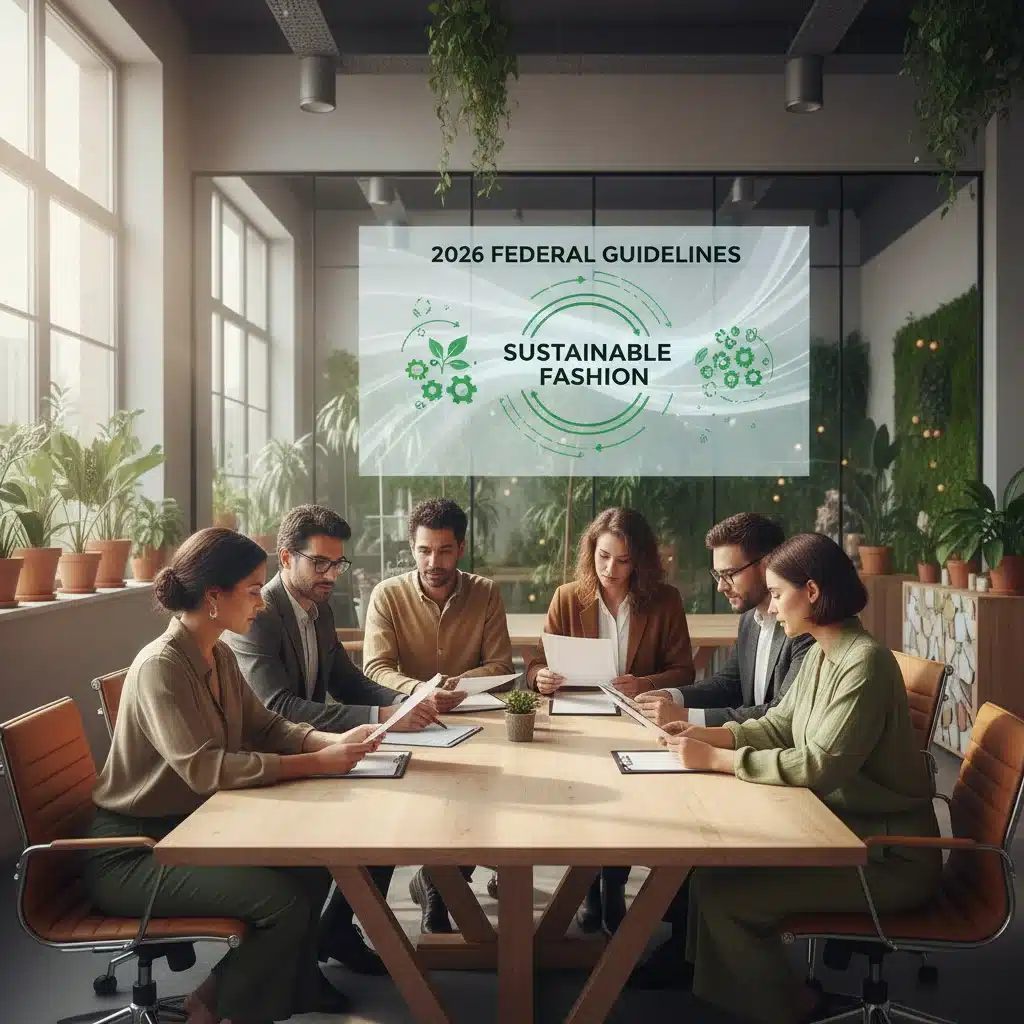
The fashion industry is undergoing a significant transformation, driven by increasing consumer awareness and growing regulatory scrutiny regarding environmental impact. As we approach 2026, brands operating within the United States must brace themselves for the rollout of new federal guidelines concerning sustainable fashion claims. These impending regulations are poised to redefine how sustainability is communicated, verified, and integrated into the core operations of fashion businesses. Understanding these sustainable fashion guidelines is not merely about compliance; it’s about building trust, fostering genuine environmental stewardship, and securing a competitive edge in an evolving market.
Anúncios
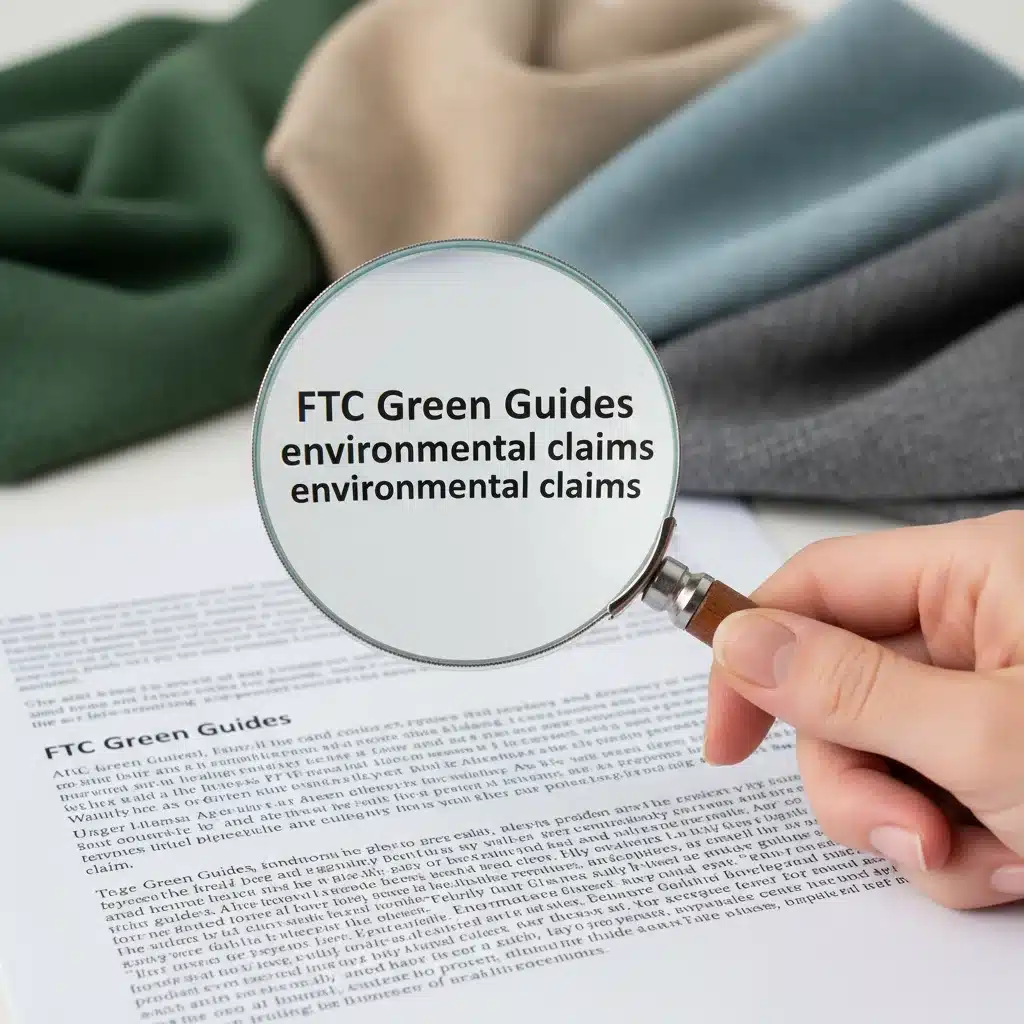
For too long, the term ‘sustainable’ has been loosely applied, leading to confusion, skepticism, and the pervasive issue of ‘greenwashing.’ The Federal Trade Commission (FTC) recognizes this challenge and is actively working to update its Green Guides, which serve as the primary framework for environmental marketing claims. The 2026 updates are expected to bring more stringent requirements, clearer definitions, and enhanced enforcement mechanisms. This article will delve deep into what these new sustainable fashion guidelines mean for your brand, offering actionable insights and strategies to ensure you are not only compliant but also thriving in a more transparent and accountable industry.
The Evolving Landscape of Sustainable Fashion Claims
The journey towards a more sustainable fashion industry has been marked by both innovation and challenges. Consumers are increasingly demanding transparency and verifiable proof of environmental responsibility from brands. A recent study by McKinsey & Company revealed that a significant percentage of consumers are willing to pay more for sustainable products, but their trust is often eroded by vague or misleading claims. This growing demand, coupled with the industry’s significant environmental footprint – from resource-intensive production to waste generation – has put pressure on regulators to act.
Anúncios
The current FTC Green Guides, last updated in 2012, provide general principles for environmental marketing claims. However, the complexity and rapid evolution of the fashion industry’s sustainability efforts, including intricate supply chains and innovative material science, necessitate a more specific and robust regulatory framework. The 2026 sustainable fashion guidelines are expected to address these gaps, offering more precise definitions for terms like ‘eco-friendly,’ ‘recycled content,’ ‘biodegradable,’ and ‘organic,’ especially as they apply to textiles and apparel.
Brands that proactively understand and adapt to these changes will be better positioned to avoid legal repercussions, maintain consumer loyalty, and contribute meaningfully to a healthier planet. Ignoring these impending regulations, however, could lead to significant fines, reputational damage, and a loss of market share. This is not just a legal exercise; it’s a strategic imperative for the future of your fashion business.
Key Anticipated Changes in the 2026 Federal Guidelines
While the final details of the 2026 sustainable fashion guidelines are still being refined, based on discussions, public comments, and the FTC’s historical approach, we can anticipate several key areas of focus:
1. Stricter Definitions for Environmental Claims
One of the most critical aspects of the updated guidelines will be the establishment of clearer, more quantitative definitions for common environmental claims. For instance, what constitutes ‘recycled content’? Will there be a minimum percentage threshold required to make such a claim? How will ‘biodegradable’ be defined in the context of textile degradation rates and environments? These specific definitions will require brands to have robust data and verification processes to substantiate their claims.
2. Emphasis on Life Cycle Assessment (LCA)
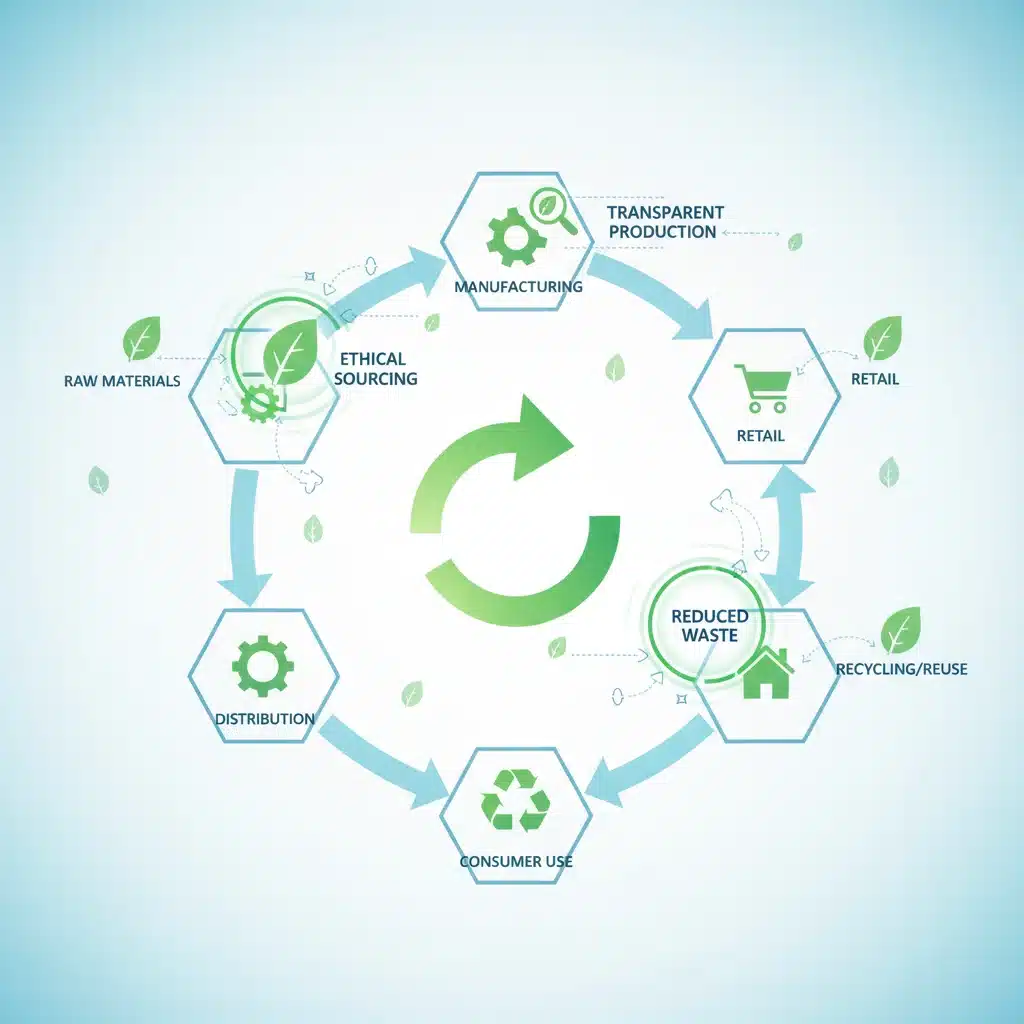
The FTC is likely to place greater emphasis on a holistic understanding of a product’s environmental impact, encouraging or even requiring brands to consider the entire life cycle of their garments – from raw material extraction, through manufacturing, transportation, use, and end-of-life. Claims based on only one aspect of a product’s life cycle, without considering broader impacts, will likely face increased scrutiny. This means brands will need to invest in comprehensive data collection and analysis tools.
3. Enhanced Scrutiny of ‘Greenwashing’
Greenwashing – the practice of making unsubstantiated or misleading environmental claims to deceive consumers – is a major concern. The 2026 sustainable fashion guidelines are expected to provide the FTC with more powerful tools to identify and penalize companies engaged in deceptive practices. This could include higher fines, mandatory corrective advertising, and public disclosure of violations. Brands must ensure that all environmental claims are accurate, specific, and backed by credible scientific evidence.
4. Focus on Specific Textile-Related Claims
Given the unique challenges and opportunities within the textile industry, the updated guidelines are expected to include specific provisions for fashion products. This might cover claims related to water usage, chemical management, microplastic shedding, and the use of sustainable fibers. Brands will need to understand how these specific requirements apply to their materials and manufacturing processes.
5. Supply Chain Transparency Requirements
To substantiate many environmental claims, brands will need to demonstrate transparency across their supply chains. This means having a clear understanding of the environmental practices of their suppliers, manufacturers, and even raw material providers. The guidelines may encourage or mandate certain levels of supply chain disclosure, pushing brands towards greater accountability for their entire value chain.
Preparing Your Brand for the 2026 Sustainable Fashion Guidelines
Proactive preparation is key to navigating the upcoming regulatory changes successfully. Here’s a strategic roadmap for fashion brands:
1. Conduct a Comprehensive Internal Audit
Start by reviewing all existing marketing materials, product labels, website content, and social media posts that make environmental claims. Categorize these claims and assess the evidence currently available to substantiate each one. Identify any vague or unsubstantiated claims that may be problematic under stricter guidelines. This internal audit will provide a baseline understanding of your current compliance posture.
2. Invest in Data Collection and Verification
The new sustainable fashion guidelines will demand robust data. This means investing in systems and processes to collect and verify information across your supply chain. Consider partnering with third-party certifiers or technology providers that specialize in sustainability data management. This data will be crucial for substantiating claims related to material composition, manufacturing processes, and environmental impact metrics.
3. Refine Your Sustainability Messaging
Once you have a clear understanding of your verifiable environmental performance, refine your marketing and communication strategies. Adopt specific, measurable, achievable, relevant, and time-bound (SMART) language. Avoid broad, generic terms like ‘green’ or ‘eco-friendly’ unless you can provide concrete, specific evidence to back them up. Focus on transparently communicating your efforts, progress, and challenges.
4. Engage with Your Supply Chain Partners
Your ability to comply with the new sustainable fashion guidelines is intrinsically linked to your supply chain. Work closely with your suppliers to understand their environmental practices, collect necessary data, and encourage them to adopt more sustainable processes. Consider implementing supplier codes of conduct that align with the impending regulations. Transparency and collaboration throughout the supply chain will be paramount.
5. Educate Your Team
Ensure that your marketing, product development, legal, and sustainability teams are fully aware of the upcoming changes and their implications. Provide training on the new guidelines and best practices for making environmental claims. A well-informed team is your first line of defense against non-compliance and greenwashing accusations.
6. Consult Legal and Sustainability Experts
Given the complexity of environmental law and sustainability science, it is highly advisable to consult with legal counsel specializing in FTC regulations and sustainability experts. They can provide tailored advice, help interpret the guidelines, and assist in developing robust compliance strategies. Early engagement with experts can save significant time and resources in the long run.
The Pitfalls of Greenwashing and How to Avoid Them
Greenwashing is not only unethical but also carries significant risks under the new sustainable fashion guidelines. Brands must be acutely aware of common greenwashing tactics and actively work to avoid them. Here are some key areas to watch out for:
- Vague Language: Using terms like ‘natural,’ ‘sustainable,’ or ‘environmentally friendly’ without specific, verifiable details. The new guidelines will likely require concrete evidence for such claims.
- Irrelevant Claims: Highlighting an environmentally friendly attribute that is legally required anyway (e.g., ‘CFC-free’ when CFCs are banned).
- Lesser of Two Evils: Focusing on one positive environmental attribute while ignoring significant negative impacts elsewhere (e.g., an ‘organic’ cotton shirt produced in a factory with severe water pollution issues).
- Hidden Trade-offs: Emphasizing a positive environmental attribute while ignoring a greater negative impact (e.g., an ‘energy-efficient’ product that contains hazardous materials).
- No Proof: Making environmental claims without providing accessible substantiation. The new guidelines will undoubtedly demand clear evidence.
- False Labels: Creating or using fake certifications or labels that mislead consumers into believing a product is endorsed by a legitimate environmental organization.
- Outright Lies: Making completely false environmental claims. This is the most egregious form of greenwashing and will face severe penalties.
To genuinely avoid greenwashing, brands must cultivate a culture of transparency and accountability. Every environmental claim must be rigorously vetted and supported by credible data. Focus on progress, not perfection, and be honest about the challenges you face in your sustainability journey. Authenticity resonates with consumers and builds lasting trust.
The Business Case for Genuine Sustainability
While the 2026 sustainable fashion guidelines may seem like an additional burden, they also present a significant opportunity for brands. Embracing genuine sustainability goes beyond mere compliance; it unlocks a range of business benefits:
1. Enhanced Brand Reputation and Consumer Trust
In an era of conscious consumption, brands with verifiable sustainability credentials will stand out. Consumers are increasingly loyal to companies that align with their values. Genuine sustainability builds trust, fosters positive brand perception, and can lead to increased customer retention and advocacy.
2. Competitive Differentiation
As the regulatory landscape levels the playing field, brands that genuinely innovate and integrate sustainability into their core business model will gain a competitive edge. This differentiation can attract new customer segments and open up new market opportunities.
3. Risk Mitigation
Proactive compliance with the sustainable fashion guidelines mitigates legal and reputational risks associated with greenwashing. Avoiding fines, lawsuits, and public backlash protects your brand’s financial health and market standing.
4. Operational Efficiencies and Cost Savings
Many sustainable practices, such as reducing waste, optimizing resource usage (water, energy), and improving supply chain efficiency, can lead to significant cost savings in the long run. Investing in sustainable technologies and processes can yield both environmental and economic returns.
5. Attracting and Retaining Talent
Employees, especially younger generations, are increasingly seeking to work for companies that demonstrate social and environmental responsibility. A strong commitment to sustainability can enhance your employer brand, helping you attract and retain top talent.
6. Innovation and Future-Proofing
The pursuit of sustainability often drives innovation in materials, production processes, and business models. This forward-thinking approach can future-proof your brand against evolving consumer demands, resource scarcity, and further regulatory changes.
Beyond Compliance: A Holistic Approach to Sustainability
While compliance with the 2026 sustainable fashion guidelines is critical, true sustainability extends far beyond meeting minimum legal requirements. It involves a holistic, integrated approach that permeates every aspect of your business. Consider these broader strategies:
- Circular Economy Principles: Design products for longevity, repairability, and recyclability. Explore take-back programs, resale initiatives, and material recycling loops to minimize waste and maximize resource utility.
- Ethical Labor Practices: Ensure fair wages, safe working conditions, and respect for human rights throughout your supply chain. Social sustainability is an integral part of true environmental responsibility.
- Decarbonization Efforts: Set ambitious targets for reducing greenhouse gas emissions across your operations, from manufacturing to logistics. Invest in renewable energy and energy-efficient technologies.
- Water Stewardship: Implement strategies to reduce water consumption and pollution in dyeing, finishing, and other water-intensive processes.
- Biodiversity Protection: Source materials responsibly, avoiding those that contribute to deforestation or habitat destruction. Support initiatives that protect ecosystems and biodiversity.
- Chemical Management: Adopt stringent chemical management policies, phasing out hazardous chemicals and exploring safer alternatives in your production processes.
By embracing these broader sustainability principles, brands can move beyond mere compliance to become true leaders in the sustainable fashion movement. This proactive approach will not only ensure adherence to the 2026 sustainable fashion guidelines but also position your brand as a force for positive change in the industry.
Conclusion: Embracing a Sustainable Future for Fashion
The impending 2026 federal guidelines for sustainable fashion claims in the US represent a pivotal moment for the industry. They signal a clear shift towards greater accountability, transparency, and integrity in environmental marketing. For fashion brands, this is not a moment to shy away from, but an opportunity to re-evaluate, innovate, and lead.
By understanding the anticipated changes, conducting thorough internal audits, investing in robust data collection, refining sustainability messaging, and engaging deeply with supply chain partners, brands can confidently navigate this new regulatory landscape. More importantly, by moving beyond mere compliance and embracing a holistic approach to sustainability, fashion businesses can build stronger reputations, foster deeper consumer trust, mitigate risks, and unlock new avenues for growth and innovation.
The future of fashion is undeniably sustainable. Brands that genuinely commit to environmental responsibility, backed by verifiable claims and transparent practices, will be the ones that not only survive but thrive in the years to come. The 2026 sustainable fashion guidelines are not just rules; they are a catalyst for a more responsible, resilient, and ultimately, more successful fashion industry.