The 2026 State of Labor Practices in US Garment Manufacturing: What Consumers Should Know
Anúncios
The 2026 State of Labor Practices in US Garment Manufacturing: What Consumers Should Know
Anúncios
In an era defined by increasing consumer awareness and a global push for ethical production, the landscape of US Garment Labor practices continues to evolve. As we navigate 2026, understanding the intricacies of how our clothes are made, particularly within the United States, is more crucial than ever. The phrase ‘Made in USA’ once evoked a simple sense of national pride; today, it carries a weight of responsibility, implying adherence to specific labor standards, environmental regulations, and a commitment to worker welfare. This article delves into the current state of labor practices in US garment manufacturing, shedding light on the progress made, the challenges that persist, and the pivotal role consumers play in shaping a more equitable industry.
The journey of a garment, from raw material to retail shelf, is complex. While offshore manufacturing often faces scrutiny for exploitative labor conditions, the domestic US garment industry is not immune to its own set of challenges, nor is it without its champions for change. The past few years have seen significant legislative efforts, technological advancements, and heightened public discourse all contributing to a dynamic shift in how US Garment Labor is perceived and regulated. Consumers are no longer just looking for quality and affordability; they demand transparency, ethical sourcing, and a clear conscience behind their purchases. This detailed exploration aims to equip you with the knowledge to make informed decisions and contribute to a more sustainable and ethical fashion ecosystem.
Anúncios
Historical Context: From Sweatshops to Modern Standards
To truly appreciate the current state of US Garment Labor, a brief look back at its history is essential. The early 20th century saw the rise of ‘sweatshops’ in major American cities, characterized by grueling hours, unsafe conditions, and meager wages, often employing immigrant women and children. Tragedies like the Triangle Shirtwaist Factory fire in 1911 brought these horrific conditions to the forefront, catalyzing significant labor reforms and the establishment of unions. Legislation such as the Fair Labor Standards Act (FLSA) of 1938 introduced minimum wage, overtime pay, and child labor prohibitions, fundamentally altering the landscape of American manufacturing, including the garment sector.
However, as global supply chains expanded in the latter half of the 20th century, much of garment production shifted overseas in pursuit of lower labor costs. This exodus led to a decline in domestic manufacturing jobs and, in some cases, a relaxation of vigilance over labor practices within the remaining US factories. While the narrative often focuses on overseas exploitation, instances of wage theft, unsafe conditions, and misclassification of workers have continued to surface within the US, particularly in urban manufacturing hubs. The challenge for US Garment Labor has always been to balance competitiveness with ethical responsibility.
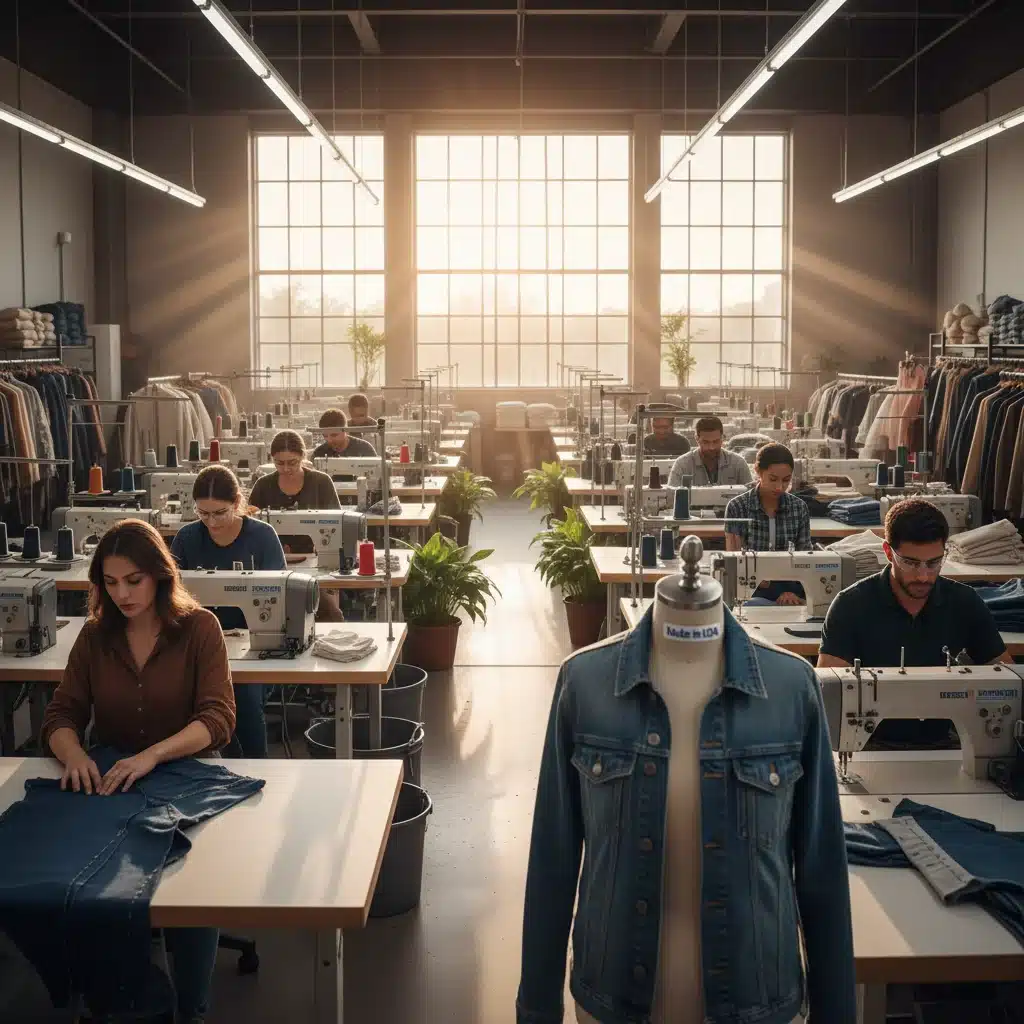
Today, the industry is experiencing a resurgence of interest in domestic production, driven by factors such as faster turnaround times, reduced shipping costs, and a strong desire for greater transparency and ethical oversight. This renewed focus provides an opportunity to build upon past reforms and establish a new benchmark for labor practices that truly reflects American values.
Key Labor Practices and Worker Rights in 2026
As of 2026, several key labor practices and worker rights form the bedrock of ethical US Garment Labor. These are not merely suggestions but legally mandated standards designed to protect workers and ensure fair treatment. Understanding these aspects is crucial for consumers who wish to support genuinely ethical brands.
Minimum Wage and Overtime Pay
Federal law dictates a minimum wage, and many states and cities have established higher minimums. For garment workers, this means a guaranteed hourly rate. Furthermore, the FLSA requires overtime pay at 1.5 times the regular rate for hours worked beyond 40 in a workweek. However, complexities arise with piece-rate systems, common in garment manufacturing, where workers are paid per item produced. Ensuring these systems still meet or exceed minimum wage and overtime requirements is a constant area of scrutiny for labor watchdogs.
Safe Working Conditions
The Occupational Safety and Health Administration (OSHA) sets and enforces standards for safe and healthful working conditions. In garment factories, this includes regulations on machinery safety, fire exits, ventilation, noise levels, and protection from hazardous materials. Regular inspections and adherence to these standards are non-negotiable. Promoting a culture of safety, where workers feel empowered to report concerns without fear of retaliation, is also a vital component of ethical US Garment Labor.
Prohibition of Child Labor and Forced Labor
Child labor is strictly prohibited in the US, with federal and state laws setting minimum ages for employment and restrictions on the types of jobs minors can perform. Similarly, forced labor, including debt bondage or trafficking, is illegal. While less prevalent than in some global supply chains, vigilance is always necessary to prevent any form of exploitation. Brands committed to ethical US Garment Labor often implement robust verification processes to ensure their supply chains are free from these abuses.
Anti-Discrimination and Equal Opportunity
Federal laws like Title VII of the Civil Rights Act of 1964 prohibit discrimination based on race, color, religion, sex (including pregnancy, sexual orientation, and gender identity), national origin, age, disability, or genetic information. Garment workers, like all employees, are entitled to a workplace free from harassment and discrimination, with equal opportunities for employment and advancement. This contributes to a diverse and inclusive environment within the US Garment Labor sector.
Freedom of Association and Collective Bargaining
Workers have the right to form or join unions, bargain collectively, and engage in concerted activities for their mutual aid or protection, without fear of employer retaliation. While unionization rates in the private sector have declined over decades, the right to organize remains a fundamental aspect of worker empowerment. For many, union representation is seen as a crucial mechanism for ensuring fair wages, benefits, and safe working conditions within US Garment Labor.
The Role of Legislation and Enforcement in 2026
Legislative frameworks and robust enforcement mechanisms are critical to upholding labor standards in the US garment industry. In 2026, new and existing laws continue to shape the environment for US Garment Labor.
A significant development in recent years has been the introduction and passage of legislation like the Garment Worker Protection Act (GWPA) in California, which became effective in 2022. This landmark legislation aims to end piece-rate pay for garment workers, ensuring they are paid an hourly wage, and holds brands accountable for wage theft throughout their supply chain. This ‘wage-teft liability’ provision means brands can be held responsible for violations committed by their contractors or subcontractors. Other states are considering or have introduced similar legislation, indicating a growing trend towards stronger protections for US Garment Labor.
The Garment Worker Protection Act (GWPA) and Similar State-Level Initiatives
These acts represent a powerful shift, moving beyond mere compliance to proactive measures that protect vulnerable workers. They address a long-standing issue where brands could distance themselves from labor abuses by outsourcing production to third-party contractors. The GWPA, in particular, is a model for how states can lead the way in ensuring fair compensation and accountability.
Federal Oversight: DOL and OSHA
The US Department of Labor (DOL) and OSHA remain primary federal agencies responsible for enforcing labor laws. The DOL’s Wage and Hour Division conducts investigations into wage and hour compliance, including minimum wage, overtime, and child labor. OSHA, as mentioned, focuses on workplace safety and health. These agencies play a vital role in investigating complaints, conducting inspections, and imposing penalties for violations. Their continued vigilance is essential for maintaining ethical standards in US Garment Labor.
Challenges in Enforcement
Despite these frameworks, enforcement is not without its challenges. The fragmented nature of the garment industry, with numerous small contractors and subcontractors, can make it difficult for regulators to track compliance. Language barriers among a largely immigrant workforce can also impede reporting of abuses. Furthermore, some employers may engage in misclassification of workers as independent contractors to avoid paying benefits and taxes, a common tactic that undermines US Garment Labor protections. Addressing these challenges requires sustained governmental effort, increased funding for enforcement agencies, and collaboration with worker advocacy groups.
Transparency and Supply Chain Accountability
One of the most significant shifts in the 2026 landscape of US Garment Labor is the increasing demand for transparency and supply chain accountability. Consumers, advocacy groups, and even investors are pushing brands to reveal more about where and how their products are made.
Mapping the Supply Chain
Ethical brands are actively working to map their entire supply chain, from the cotton farm to the finished garment. This involves identifying all factories, subcontractors, and material suppliers. While this can be a complex undertaking, especially for brands with extensive product lines, it is crucial for identifying potential risks and ensuring adherence to labor standards. Technologies like blockchain are beginning to be explored as tools to enhance this transparency, providing an immutable record of a garment’s journey.
Audits and Certifications
Independent third-party audits and certifications play a crucial role in verifying labor practices. Certifications like SA8000, Fair Trade Certified, and B Corp status provide external validation that a brand meets specific social and environmental performance standards. While not foolproof, these certifications offer consumers a level of assurance that a brand is committed to ethical US Garment Labor. Brands that openly share their audit results and corrective action plans demonstrate a higher level of commitment to accountability.
The Role of Consumer Pressure and Advocacy
Consumer pressure has been a powerful catalyst for change. Social media, ethical shopping guides, and investigative journalism have all contributed to raising awareness about labor issues. When consumers demand to know ‘who made my clothes?’ and actively choose brands that demonstrate ethical practices, it sends a clear message to the industry. Advocacy groups continue to play a vital role in researching, exposing, and campaigning for better conditions for US Garment Labor, often working directly with workers to amplify their voices.
The Economic Realities and Future Outlook
The commitment to ethical US Garment Labor practices must also contend with economic realities. Manufacturing in the US often entails higher labor costs compared to many other countries. This leads to higher retail prices for ‘Made in USA’ garments, which can be a barrier for some consumers.
Balancing Cost and Ethics
Brands committed to domestic ethical production often find innovative ways to balance these costs. This can include investing in automation to improve efficiency, focusing on higher-value products, or adopting direct-to-consumer models to reduce overheads. Some brands are transparent about their pricing structures, educating consumers on why ethical production costs more and the value it provides in terms of quality, worker welfare, and environmental impact. The perception that ethical clothing must be prohibitively expensive is slowly changing as more brands find sustainable business models.
Reshoring and Nearshoring Trends
Despite the cost challenges, there is a growing trend of reshoring (bringing manufacturing back to the US) and nearshoring (bringing it to neighboring countries like Mexico or Central America). This is driven by a desire for shorter supply chains, faster response to fashion trends, reduced shipping costs and lead times, and greater control over quality and labor practices. The COVID-19 pandemic further highlighted the vulnerabilities of long, complex global supply chains, accelerating this trend. This bodes well for the future of US Garment Labor, creating more domestic job opportunities and strengthening the industry’s ethical foundation.
Technological Advancements
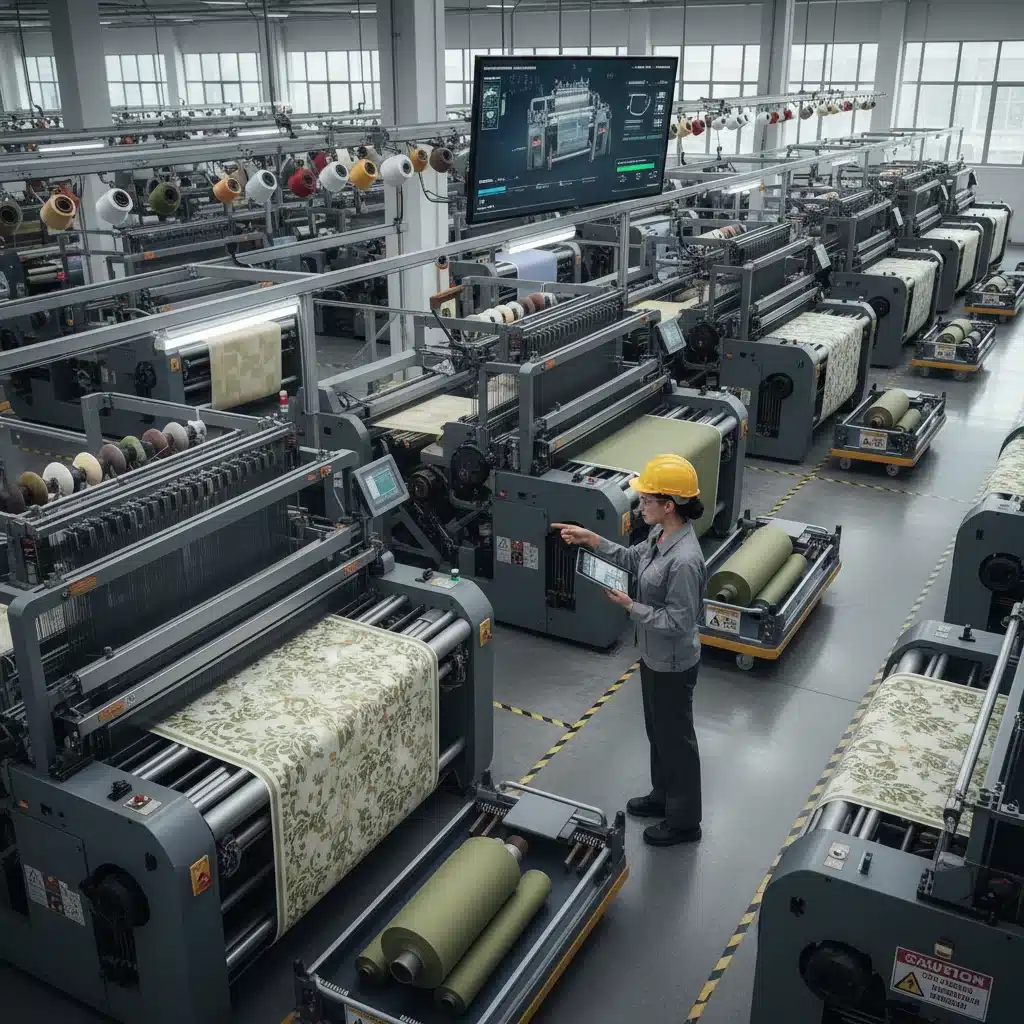
Technological advancements, such as automation, robotics, and 3D printing, are transforming the garment manufacturing process. While some fear job displacement, these technologies can also create new, higher-skilled jobs and improve working conditions by automating repetitive or hazardous tasks. For US Garment Labor, this means a shift towards a more technologically advanced workforce, requiring new training and skill development. These innovations can also make domestic production more competitive by increasing efficiency and reducing reliance on manual labor for certain processes.
How Consumers Can Make a Difference
Ultimately, the power to drive positive change in US Garment Labor rests significantly with consumers. Every purchasing decision is a vote for the kind of industry we want to support.
Research Brands
Don’t just take a brand’s word for it. Research their supply chain, look for transparency reports, and check for third-party certifications. Websites like Good On You, Fashion Revolution, and Remake provide brand ratings and information on their labor practices. A quick search for ‘brand name + labor practices’ can yield valuable insights.
Look for ‘Made in USA’ with Scrutiny
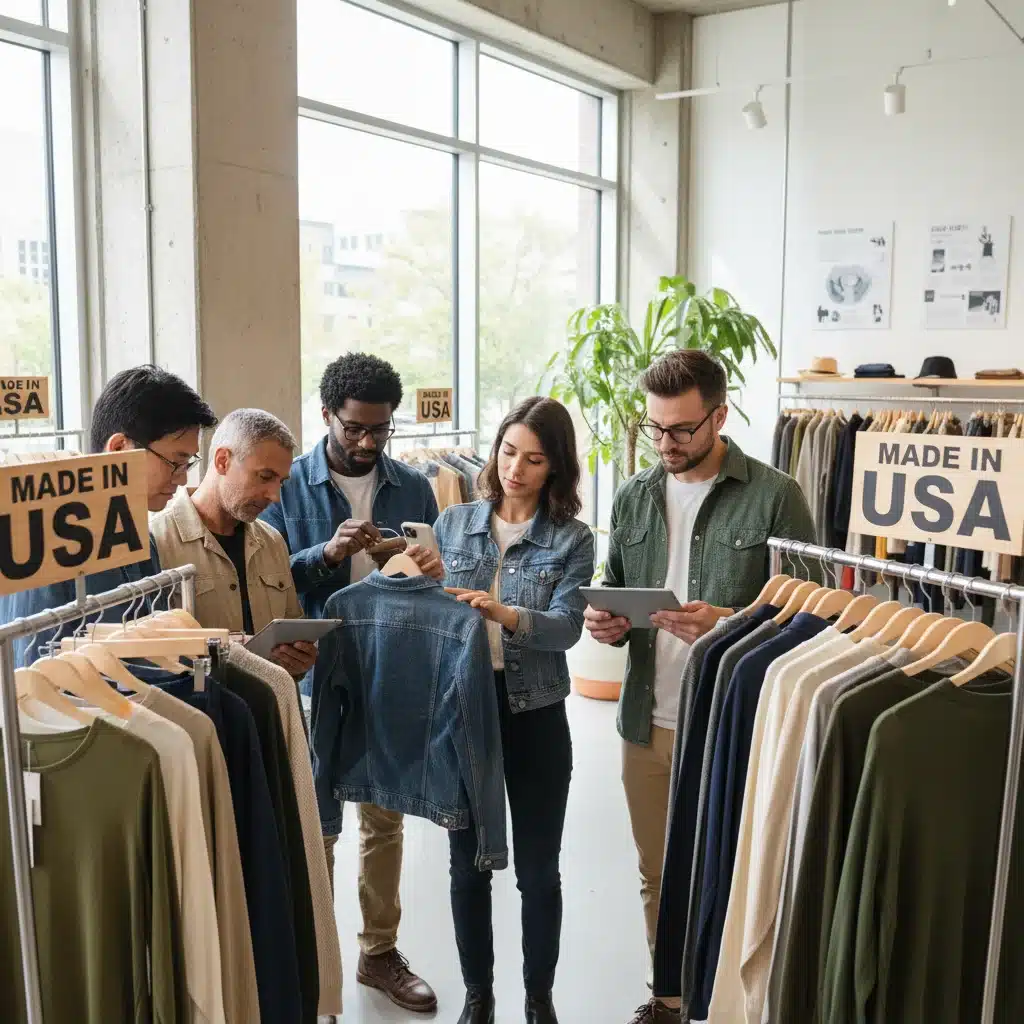
While ‘Made in USA’ is a good starting point, it’s not a guarantee of ethical production. Dig deeper. Does the brand specifically mention fair wages, safe conditions, and worker empowerment? Some ‘Made in USA’ claims might only refer to the final assembly, with components sourced from less transparent supply chains. Look for brands that are specific about their entire domestic production process.
Support Brands with Strong Labor Policies
Actively seek out and support brands that are transparent about their labor practices, pay fair wages, provide safe working conditions, and respect workers’ rights. Your purchasing power is a strong signal to the market that ethical production is valued.
Demand Transparency
Engage with brands on social media, send emails, and ask questions about their supply chains and labor practices. The more consumers demand transparency, the more pressure brands will feel to provide it. Encourage brands to publish their factory lists and audit results.
Advocate for Stronger Legislation
Support legislative efforts like the Garment Worker Protection Act in your state. Contact your elected officials and express your support for policies that protect garment workers and promote ethical manufacturing. Your voice can contribute to systemic change that benefits all US Garment Labor.
Consider Secondhand and Sustainable Fashion
Reducing your overall consumption and embracing secondhand, vintage, or upcycled clothing is another powerful way to mitigate the negative impacts of fast fashion and support a more sustainable industry. When you do buy new, choose wisely.
Conclusion
The state of US Garment Labor in 2026 is a complex tapestry of progress, persistent challenges, and evolving consumer expectations. While the days of overt sweatshops are largely behind us, the fight for truly equitable and safe working conditions continues. Legislative advancements like the Garment Worker Protection Act, coupled with increased consumer demand for transparency, are pushing the industry towards a more responsible future. The resurgence of domestic manufacturing, driven by economic and ethical considerations, offers a promising path forward.
As consumers, our choices hold immense power. By educating ourselves, demanding transparency from brands, and consciously supporting those committed to ethical practices, we can collectively contribute to a robust, fair, and sustainable US Garment Labor industry. The journey towards a fully ethical fashion supply chain is ongoing, but with continued vigilance and collective effort, a future where all garment workers are treated with dignity and respect is within reach.