Fair Wages US Fashion 2026: Brands Championing Worker Rights
Anúncios
Fair Wages in US Fashion: A 2026 Report on Brands Championing Worker Rights
The global fashion industry, valued at trillions of dollars, has long been under scrutiny for its labor practices. From fast fashion’s relentless pace to the opaque supply chains of luxury brands, the human cost of clothing production has often been overshadowed by consumer demand for affordability and novelty. However, as we step into 2026, a significant shift is underway within the United States. A growing number of US fashion brands are not just talking about ethical production; they are actively championing fair wages and robust worker rights, setting a new benchmark for corporate responsibility. This comprehensive report delves into the landscape of fair wages in US fashion, identifying the pioneers, dissecting their strategies, and exploring the profound impact of their commitment on both the industry and its consumers.
Anúncios
The concept of fair wages extends beyond merely meeting minimum wage requirements. It encompasses a living wage – a wage sufficient to afford a decent standard of living for the worker and their family, covering food, housing, healthcare, education, transport, and other essential needs. For decades, this has been a distant dream for many garment workers, particularly in offshore manufacturing hubs. Yet, the conversation is gaining traction domestically, with consumers, advocacy groups, and even investors demanding greater transparency and accountability from brands operating within US borders and those sourcing internationally.
Our 2026 report highlights a pivotal moment where the rhetoric of sustainability and ethics is translating into tangible action. The brands featured herein are not just outliers; they represent a burgeoning movement that recognizes the intrinsic link between worker well-being, product quality, and long-term brand value. By prioritizing fair wages, these companies are not only improving individual lives but also fostering stronger communities, driving economic stability, and building a more resilient and equitable fashion ecosystem. This is not just a trend; it’s a fundamental re-evaluation of how business is conducted, and it’s reshaping the future of US fashion.
Anúncios
The Shifting Landscape: Why Fair Wages are Gaining Traction
Several factors are converging to propel the discussion and implementation of fair wages to the forefront of the US fashion industry. Firstly, increased consumer awareness, fueled by social media and documentaries, has put pressure on brands. Modern consumers, especially younger generations, are increasingly scrutinizing where and how their clothes are made. They are willing to pay a premium for ethically produced goods, demanding transparency and aligning their purchasing power with their values. This growing demand creates a market incentive for brands to adopt responsible practices, including ensuring fair wages.
Secondly, legislative changes and proposed policies, both at state and federal levels, are pushing for greater accountability. While a federal living wage for all industries is still a subject of debate, certain states and cities have implemented higher minimum wages and stricter labor laws that impact garment manufacturers. Furthermore, proposed legislation focusing on supply chain transparency and due diligence is creating an environment where brands cannot easily sidestep their responsibilities to workers, regardless of their location. The threat of legal repercussions and reputational damage serves as a powerful motivator.
Thirdly, the COVID-19 pandemic exposed the fragility and inequities of global supply chains, highlighting the vulnerability of garment workers who often faced job losses and unpaid wages. This crisis served as a wake-up call for many brands, prompting a re-evaluation of their sourcing strategies and a greater emphasis on building more resilient, ethical, and localized supply chains. Investing in fair wages and better working conditions for US-based workers, or those in closely monitored international facilities, became a strategic imperative to mitigate future risks and ensure business continuity.
Finally, the rise of conscious capitalism and stakeholder theory has influenced corporate leadership. More companies are recognizing that their success is intertwined with the well-being of all stakeholders, not just shareholders. This broader perspective encourages brands to invest in their human capital, viewing fair wages not as an expense, but as an investment in productivity, loyalty, and brand reputation. The business case for fair wages is becoming increasingly clear: reduced employee turnover, higher morale, improved product quality, and enhanced brand appeal. These factors collectively contribute to a powerful momentum towards a more equitable and sustainable fashion industry in the US.
Defining Fair Wages: Beyond the Minimum
When we discuss fair wages in the context of US fashion, it’s crucial to understand that we are often talking about more than just the legally mandated minimum wage. While the federal minimum wage in the US remains at $7.25 per hour, many states and cities have significantly higher minimums. However, even these higher figures often fall short of what constitutes a living wage – the income necessary for a worker to meet their basic needs and those of their family. A living wage calculation typically considers the cost of housing, food, transportation, healthcare, childcare, and other essentials in a specific geographic area.
For US fashion brands committed to fair wages, the goal is often to pay at or above a calculated living wage, rather than just the minimum. This requires a deep understanding of the local economic conditions where their factories or workshops are located. It also involves transparent discussions with workers and unions, and a commitment to regular wage reviews that account for inflation and cost of living increases. This proactive approach distinguishes truly ethical brands from those merely complying with the bare minimum.
Moreover, fair wages also encompass other aspects of compensation, such as benefits. Access to healthcare, paid time off, retirement plans, and safe working conditions are integral components of a comprehensive fair labor practice. Brands that champion fair wages understand that a holistic approach to worker well-being is essential. They recognize that a worker cannot thrive if their basic needs are barely met, even if their hourly wage is technically above the minimum. This broader definition of fair wages is what truly sets leading US fashion brands apart in 2026.
Key Strategies of Champion Brands in 2026
The US fashion brands leading the charge in fair wages are employing a variety of innovative strategies to ensure their workers are compensated equitably. These strategies often involve a combination of direct action, supply chain restructuring, and collaborative efforts.
1. Transparent Wage Policies and Living Wage Benchmarking
One of the most fundamental strategies is the adoption of transparent wage policies. Brands are publicly committing to paying living wages and often publish their wage scales or the methodologies they use to calculate fair compensation. They partner with organizations like the Global Living Wage Coalition or use tools like the Anker Methodology to benchmark wages against local living costs. This transparency builds trust with consumers and holds the brands accountable.
2. Reshoring and Local Production
A growing number of brands are choosing to reshore their manufacturing operations to the United States or to significantly increase their domestic production. While US labor costs are generally higher, this move allows for greater oversight of working conditions and easier implementation of fair wage policies. It also reduces the complexity of international supply chains, making it simpler to ensure compliance with labor laws and ethical standards. Brands find that the benefits of quality control, faster turnaround times, and positive brand perception often outweigh the increased labor costs.
3. Direct-to-Consumer (DTC) Models and Reduced Margins
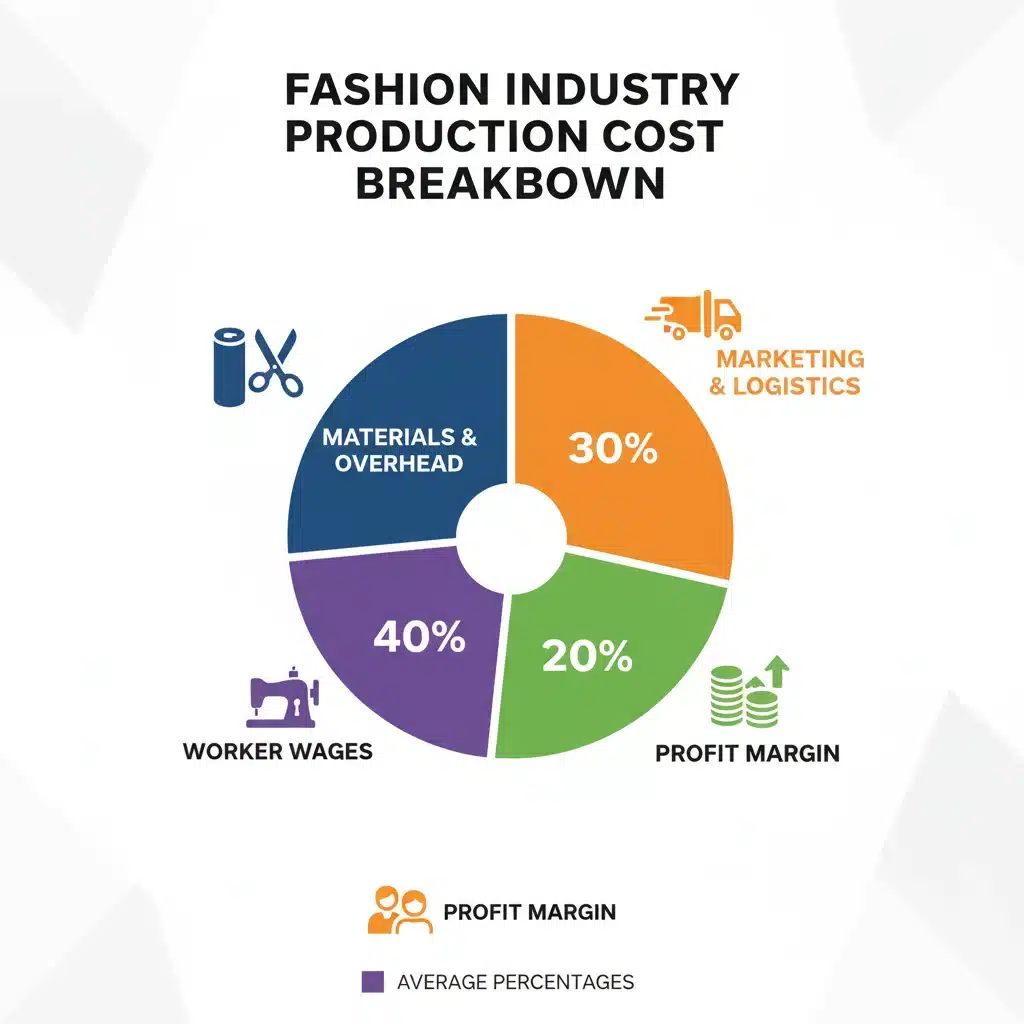
Many ethical fashion brands operate on a direct-to-consumer model, cutting out intermediaries and retailers. This allows them to retain a larger portion of the profit margin, which can then be reinvested into higher wages for their workers. By controlling the entire value chain, they have greater flexibility to prioritize fair compensation without significantly increasing consumer prices to an uncompetitive level. Some brands also consciously accept lower profit margins in exchange for their ethical commitment, viewing fair wages as a core value rather than a disposable cost.
4. Worker Empowerment and Collective Bargaining
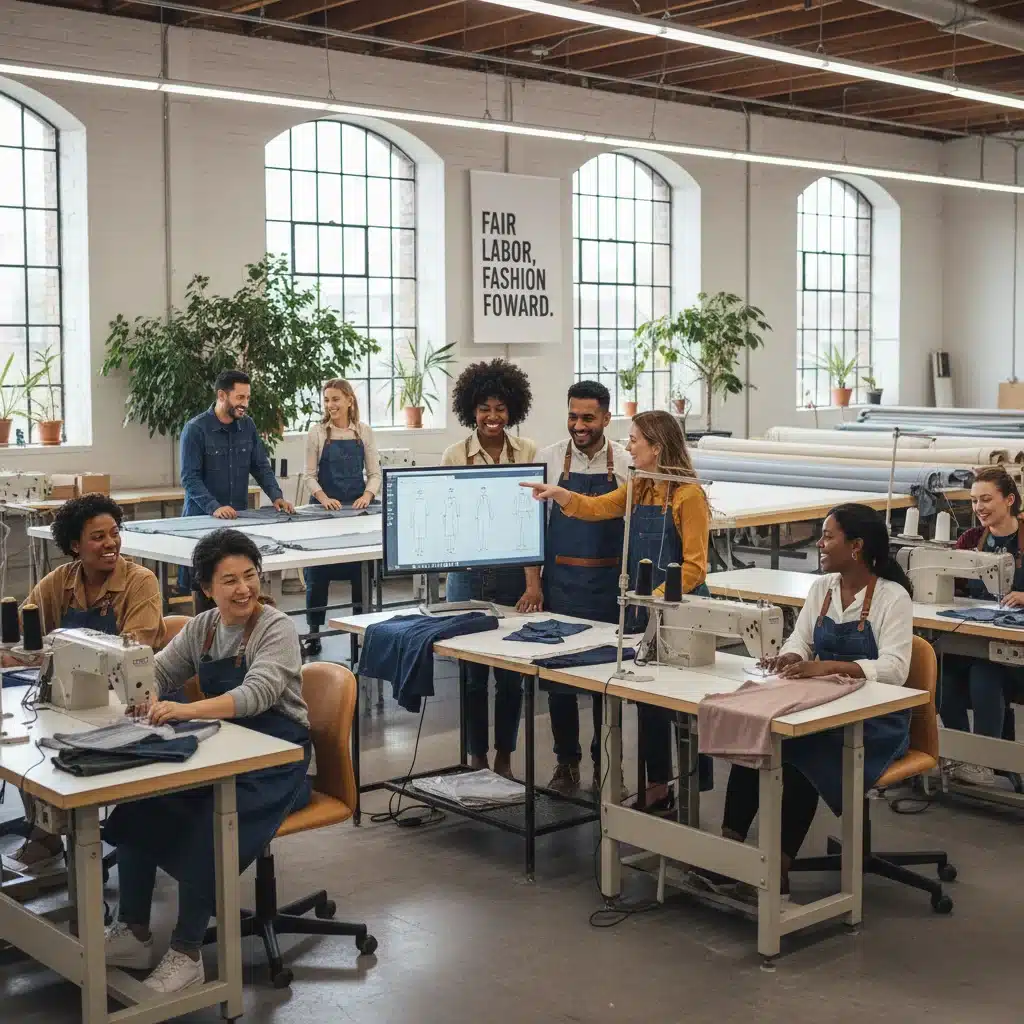
Champion brands recognize the importance of worker empowerment. They often support the right to organize and engage in collective bargaining, allowing workers to negotiate for better wages and working conditions directly. Some brands even have worker representation on their boards or in key decision-making processes, ensuring that the voices of those who make the clothes are heard and valued. This collaborative approach fosters a more equitable power dynamic within the workplace.
5. Supply Chain Mapping and Auditing
For brands that continue to source internationally, comprehensive supply chain mapping and rigorous auditing are non-negotiable. They go beyond first-tier suppliers, tracing their production down to the raw material level to identify potential risks and ensure fair labor practices throughout. Regular, unannounced audits, often conducted by independent third parties, help verify compliance with fair wage standards and identify areas for improvement. Technology, such as blockchain, is also being explored to enhance transparency and traceability.
6. Consumer Education and Advocacy
Leading brands are not just implementing fair wage practices; they are actively educating their consumers about the importance of these practices. Through their marketing, social media, and website content, they explain the true cost of clothing, the benefits of fair wages, and how consumers can make more informed purchasing decisions. They become advocates for systemic change within the industry, encouraging other brands to follow suit and pushing for stronger regulatory frameworks.
Impact of Fair Wages on the US Fashion Industry
The commitment to fair wages by these pioneering US fashion brands is creating a ripple effect across the industry, with far-reaching implications for workers, consumers, and the businesses themselves.
Improved Worker Livelihoods and Dignity
Perhaps the most immediate and profound impact is on the lives of individual workers. Fair wages mean that garment workers can escape the cycle of poverty, afford better housing, access quality healthcare, and provide education for their children. It restores dignity to a profession that has often been exploited and undervalued. This leads to increased job satisfaction, reduced stress, and an overall improvement in the quality of life for thousands of individuals and their families.
Enhanced Product Quality and Productivity
When workers are paid fairly and treated with respect, they are more motivated, engaged, and productive. Reduced employee turnover means a more skilled and experienced workforce, leading to higher quality craftsmanship and fewer errors. Brands report that investing in their workers directly translates to superior product quality, which in turn enhances their brand reputation and customer loyalty. A stable, well-compensated workforce is a significant asset.
Stronger Brand Reputation and Consumer Trust
In an era where consumers are increasingly conscious of ethical issues, brands known for their commitment to fair wages enjoy a significant reputational advantage. This builds consumer trust and loyalty, attracting a growing segment of the market that prioritizes ethical consumption. A strong ethical standing can differentiate a brand in a crowded marketplace, leading to increased sales and market share. It also makes brands more attractive to ethically-minded investors.
Driving Industry-Wide Change
The success of brands championing fair wages creates pressure on competitors to adopt similar practices. As these ethical brands demonstrate that it is possible to be profitable while paying fair wages, they challenge the long-held belief that exploitation is necessary for affordability. This creates a virtuous cycle, pushing the entire US fashion industry towards more responsible and sustainable practices. It sets a new standard that others must eventually meet to remain competitive and relevant.
Economic Benefits for Local Communities
For brands focused on domestic production and fair wages within the US, there are significant economic benefits for local communities. Higher wages mean more disposable income circulating within local economies, supporting other businesses and creating a multiplier effect. It can also help revitalize manufacturing sectors in regions that have historically suffered from deindustrialization, creating stable, well-paying jobs and fostering local economic growth.
Challenges and the Path Forward
Despite the positive momentum, the journey towards universal fair wages in US fashion is not without its challenges. The primary obstacle remains the perception of increased production costs. For brands operating on razor-thin margins, absorbing higher labor costs can be daunting. This often requires a re-evaluation of pricing strategies, potentially leading to higher retail prices, which can alienate price-sensitive consumers. Balancing affordability with ethical production is a continuous tightrope walk.
Another challenge lies in the complexity of global supply chains. Even for brands committed to fair wages in their US operations, ensuring ethical practices among international suppliers can be incredibly difficult. The lack of robust labor laws in some manufacturing countries, combined with opaque subcontracting practices, makes it hard to guarantee fair compensation and safe working conditions throughout the entire production process. Continuous vigilance, thorough auditing, and strong partnerships with international labor organizations are essential.
Furthermore, consumer education is an ongoing effort. While awareness is growing, many consumers still prioritize price and convenience over ethical considerations. Shifting consumer behavior requires sustained marketing efforts from ethical brands and continued advocacy from non-profits and media outlets to highlight the importance of fair wages and the impact of purchasing decisions. The ‘fast fashion’ model, with its rapid trend cycles and ultra-low prices, continues to exert significant gravitational pull on a large segment of the market.
Looking ahead, several key areas will be crucial for solidifying the gains made in fair wages within US fashion:
- Policy Advocacy: Continued advocacy for stronger labor laws, higher minimum wages, and mandatory supply chain transparency legislation at both state and federal levels will provide a regulatory floor for ethical practices.
- Technological Innovation: Leveraging technologies like blockchain for supply chain traceability can help brands verify fair labor practices from farm to finished product, offering unparalleled transparency.
- Collaborative Initiatives: Industry-wide collaborations, multi-stakeholder initiatives, and partnerships between brands, NGOs, and labor unions can share best practices, pool resources, and amplify impact.
- Investment in Worker Training and Education: Beyond fair wages, investing in skills development, health and safety training, and educational opportunities for garment workers can further empower them and improve their long-term prospects.
- Consumer Demand: The sustained and growing demand from consumers for ethically produced clothing will remain a critical driver for brands to prioritize fair wages.
Case Studies: Brands Leading the Way
While specific brand names are often subject to change and continuous evaluation in dynamic reports, the principles demonstrated by leading US fashion companies in 2026 offer valuable insights. These brands typically share common characteristics:
- Public Commitment to Living Wages: They don’t just state they pay ‘fairly,’ they define what that means, often referencing specific living wage benchmarks for their operational locations.
- Transparent Supply Chains: They provide detailed information about their factories, often including names, locations, and even audit reports, allowing consumers to verify their claims.
- Worker-Centric Programs: Beyond wages, they invest in employee benefits, training, and sometimes even profit-sharing or ownership models.
- Certifications: Many seek third-party certifications like Fair Trade Certified, GOTS (Global Organic Textile Standard) which often include stringent social criteria, or B Corp certification, signifying a commitment to social and environmental performance.
- Innovation in Materials and Production: They often pair their commitment to fair labor with sustainable material sourcing and environmentally friendly production methods, understanding that ethical fashion is holistic.
These brands recognize that their employees are their greatest asset and that a healthy, motivated workforce is fundamental to long-term success. They are proving that ethical business practices are not just morally right but also economically viable, creating a powerful blueprint for others to follow.
Conclusion: The Future of Fair Wages in US Fashion
The 2026 report on fair wages in US fashion paints a hopeful picture of an industry in transition. The movement towards prioritizing worker rights and equitable compensation is no longer a niche concern but a mainstream imperative. Brands are realizing that true sustainability encompasses not only environmental stewardship but also social justice. The pioneers in this space are demonstrating that paying fair wages is not a burden but an investment – an investment in human dignity, product quality, brand loyalty, and a more resilient future for the entire fashion ecosystem.
As consumers become more discerning and regulatory pressures increase, the expectation for brands to uphold fair labor standards will only grow. The US fashion industry is at a critical juncture, and the choices made today by designers, manufacturers, retailers, and consumers will shape its trajectory for decades to come. By championing fair wages, we are not just buying clothes; we are investing in a better world, one stitch at a time. The momentum is undeniable, and the vision for a truly ethical and equitable US fashion industry, built on the foundation of fair wages, is slowly but surely becoming a reality.
The journey is ongoing, and continuous effort will be required from all stakeholders to ensure that fair wages become the norm, not the exception. However, the progress witnessed by 2026 offers a compelling testament to the power of collective action and the transformative potential of ethical business practices. The future of US fashion is bright, and it is undeniably fair.