Textile Supply Chain Transparency 2026: French Brands Leading the Way

Anúncios
The fashion industry, long shrouded in opaque practices, is undergoing a seismic shift towards greater accountability. As consumers become increasingly aware of the environmental and social impacts of their clothing choices, the demand for textile supply chain transparency has reached an unprecedented level. By 2026, this demand is not just a trend but a foundational expectation, with pioneering French brands leading the charge in redefining what it means to be a responsible fashion enterprise. This article delves into how seven innovative French brands are revolutionizing the tracking of their textile production chains, setting a benchmark for the global industry.
Anúncios
Textile Supply Chain Transparency 2026: French Brands Leading the Way
The journey towards full textile supply chain transparency is complex, requiring robust technological solutions, unwavering commitment, and a willingness to challenge established norms. French brands, often synonymous with luxury and quality, are now adding ethical leadership to their distinguished reputation. Their initiatives are not merely compliance exercises but strategic moves to build trust, enhance brand value, and future-proof their businesses in an evolving market.
The Imperative for Textile Supply Chain Transparency
For decades, the fashion supply chain has been notoriously intricate and fragmented, making it difficult to trace a garment’s journey from raw material to finished product. This opacity has facilitated various issues, including unethical labor practices, environmental degradation, and the use of harmful chemicals. However, the landscape is rapidly changing. Consumers, empowered by information and social media, are demanding to know more about where and how their clothes are made. This growing awareness, coupled with impending regulations, has made textile supply chain transparency an urgent imperative.
Anúncios
Consumer Demand and Ethical Consumption
Modern consumers are not just purchasing products; they are investing in values. A significant portion of shoppers, particularly younger generations, are willing to pay a premium for brands that demonstrate clear ethical and sustainable practices. They want assurances that their clothes are not made at the expense of human rights or the environment. This shift in consumer behavior is a powerful driver for brands to embrace textile supply chain transparency, not just as a moral obligation but as a competitive advantage.
Regulatory Pressures and Industry Standards
Governments and international bodies are also stepping up, introducing stricter regulations concerning sustainability, labor rights, and environmental impact. France, in particular, has been at the forefront of this movement, with laws like the French Duty of Vigilance Law requiring large companies to establish and implement vigilance plans to prevent human rights abuses and environmental damage in their supply chains. Such regulations compel brands to gain a deeper understanding of their entire production process, pushing them towards greater textile supply chain transparency.
Technological Innovations Driving Transparency
Achieving comprehensive textile supply chain transparency would be impossible without cutting-edge technology. Brands are leveraging a suite of digital tools, from blockchain to AI and advanced data analytics, to map, monitor, and manage their complex global networks. These technologies provide verifiable, immutable records of each stage of production, offering an unprecedented level of insight and accountability.
Blockchain for Immutable Records
Blockchain technology is proving to be a game-changer in establishing trust and verifiability within supply chains. By creating a decentralized and immutable ledger, blockchain can record every transaction and movement of materials, from the farm where cotton is grown to the factory where a garment is assembled, and finally to the retail store. This prevents tampering and provides an unalterable history, significantly boosting textile supply chain transparency.
AI and Data Analytics for Risk Assessment
Artificial intelligence and machine learning are being deployed to analyze vast amounts of data collected across the supply chain. This enables brands to identify potential risks, predict disruptions, and monitor compliance with ethical and environmental standards in real-time. AI-powered platforms can flag anomalies, such as sudden changes in labor costs or unusual material sourcing, prompting investigations and ensuring proactive management of textile supply chain transparency.
QR Codes and NFC Tags for Consumer Access
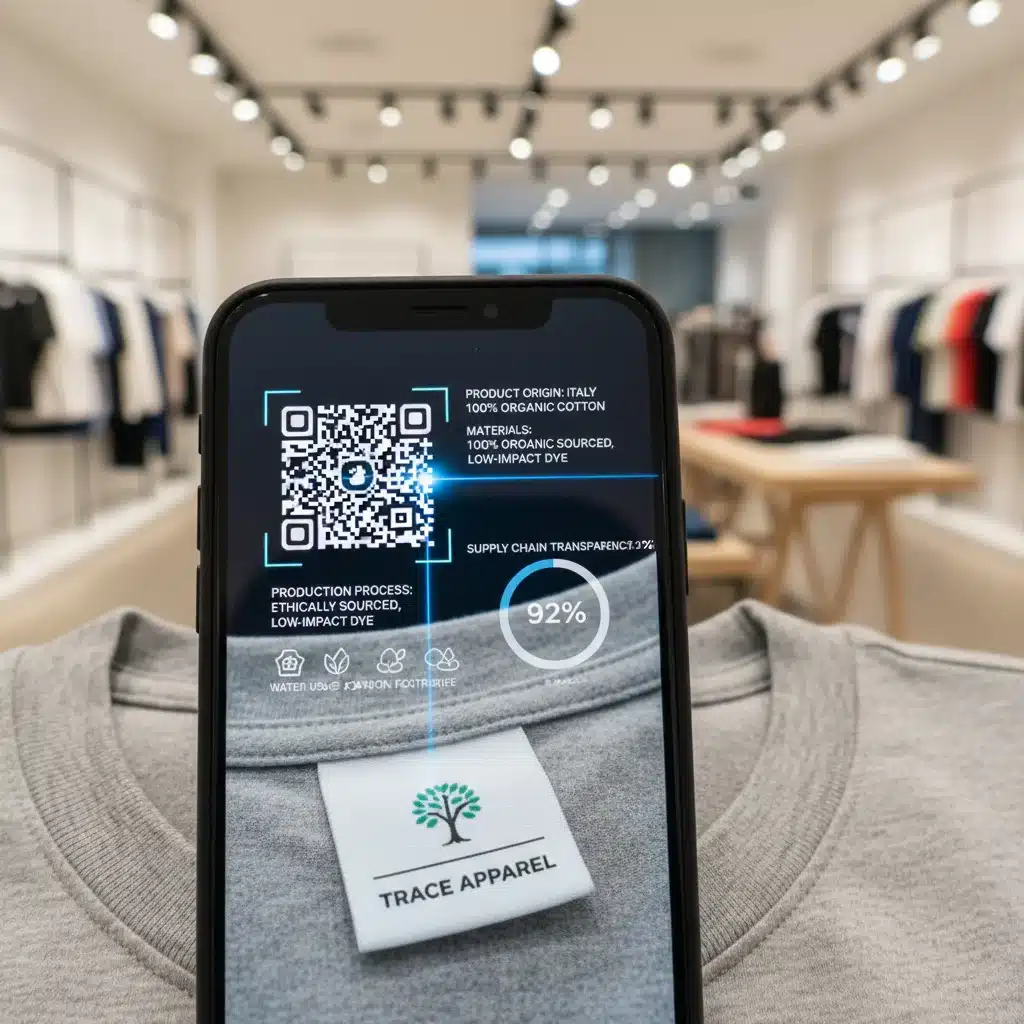
Bringing transparency directly to the consumer is crucial. Many brands are integrating QR codes and Near Field Communication (NFC) tags into their products. When scanned with a smartphone, these tags provide instant access to detailed information about the product’s origin, materials, manufacturing process, and even the artisans involved. This direct line of communication empowers consumers and reinforces the brand’s commitment to textile supply chain transparency.
7 French Brands Revolutionizing Textile Supply Chain Transparency by 2026
The following French brands are not just talking about textile supply chain transparency; they are actively implementing groundbreaking strategies to achieve it. Their approaches vary, but their collective goal is to set new standards for the industry.
1. Veja: The Pioneer of Ethical Footwear
Veja has long been a beacon of sustainability and transparency in the footwear industry. By 2026, their commitment to textile supply chain transparency is expected to be even more deeply integrated. They meticulously source organic cotton from Brazil and Peru, wild rubber from the Amazon, and innovative recycled materials. Veja provides detailed information on its website about its factories, raw material suppliers, and even the wages paid to workers. Their approach involves direct sourcing, cutting out intermediaries to ensure fair trade and complete traceability. Their vision for 2026 includes further digitizing their supply chain to offer even more granular data to consumers.
2. Sézane: Blending Style with Responsibility
Sézane, known for its chic and timeless designs, has made significant strides in sustainability. Their commitment to textile supply chain transparency is evident in their ‘Demain’ project and B Corp certification. By 2026, Sézane aims to have 100% of its materials traceable to their source, utilizing advanced platforms to track cotton, silk, and wool. They are investing heavily in partnerships with certified factories and suppliers who adhere to strict social and environmental standards. Their transparency reports are already comprehensive, and they plan to make real-time supply chain data accessible to customers through their website and product tags.
3. Faguo: Planting Trees and Tracking Products
Faguo, a brand famous for planting a tree for every product sold, extends its eco-conscious philosophy to its supply chain. Their goal for 2026 is to achieve complete textile supply chain transparency across all product lines. They use blockchain technology to track the journey of their recycled materials, from plastic bottles to footwear and apparel. Faguo is also focusing on localizing parts of its production and working closely with European suppliers to reduce its carbon footprint and ensure ethical labor practices. Their transparent approach allows consumers to see the impact of their purchases, including the specific forest where their tree was planted.
4. Le Slip Français: Made in France, Made Transparent
Le Slip Français has built its brand around ‘Made in France’ quality and ethical production. Their dedication to textile supply chain transparency is inherent in their business model. By 2026, they aim to further enhance the traceability of every single component of their garments, from thread to elastic. They work with a network of local workshops and suppliers, making it easier to monitor conditions and ensure fair wages. Their website already offers detailed maps of their production sites, and they are exploring digital passports for products to provide a complete history to consumers, reinforcing their commitment to local and transparent production.
5. Patine: Vintage-Inspired, Future-Proofed
Patine offers a unique take on sustainable fashion by focusing on durable, vintage-inspired pieces. Their journey towards enhanced textile supply chain transparency by 2026 involves a deep dive into their material sourcing. They prioritize organic, recycled, and upcycled materials and work with certified European factories. Patine is developing an interactive platform that will allow customers to trace the origin of their fabrics and understand the environmental impact of each garment. Their commitment extends to sharing stories of their suppliers, fostering a sense of community and accountability.
6. Nudie Jeans: Repair, Reuse, Recycle
While originally Swedish, Nudie Jeans has a strong presence and influence in the French sustainable fashion market, and their practices are exemplary for textile supply chain transparency. Known for their free repair service and commitment to organic cotton, Nudie Jeans already provides extensive information about their supply chain, including factory lists, audit reports, and living wage initiatives. By 2026, they aim to achieve 100% traceability for all raw materials, including dyes and auxiliary components, using advanced digital tools. Their ‘Transparency Report’ is a model for the industry, and they continue to push boundaries in ethical sourcing and production.
7. Atelier Tuffery: Denim with Deep Roots and Transparency
Atelier Tuffery, a historic French denim manufacturer, is embracing modern transparency. Having produced denim in France for over a century, their focus on local production naturally lends itself to textile supply chain transparency. By 2026, they are committed to providing full traceability for their organic cotton, much of which is now grown in France. They are investing in digital platforms to map their entire production process, from cotton cultivation to weaving, dyeing, and garment assembly. Their aim is to allow customers to virtually ‘visit’ their workshops and understand the meticulous craftsmanship and ethical practices behind each pair of jeans.
Challenges and Opportunities in Achieving Full Transparency
While the commitment from these French brands is inspiring, the path to full textile supply chain transparency is not without its hurdles. The global nature of the textile industry, with its complex web of suppliers, subcontractors, and raw material providers, presents significant challenges. However, these challenges also open doors for innovation and collaboration.
Data Collection and Integration
One of the primary challenges is the sheer volume and diversity of data that needs to be collected and integrated across disparate systems. From farm-level certifications to factory audit reports and shipping manifests, ensuring data accuracy and interoperability is crucial. Brands are investing in robust IT infrastructure and partnerships with technology providers to overcome this.
Supplier Engagement and Capacity Building
Achieving transparency requires the active participation of every entity in the supply chain. This means engaging with suppliers, many of whom may lack the resources or technical capabilities to provide the necessary data. Brands are working on capacity-building initiatives, offering training and support to their partners to help them meet transparency requirements.
Cost Implications and Return on Investment
Implementing advanced traceability systems and conducting thorough audits can be costly. Brands need to justify these investments by demonstrating a clear return, whether through enhanced brand reputation, increased consumer loyalty, reduced risks, or improved operational efficiency. The long-term benefits of textile supply chain transparency often outweigh the initial costs.
Combating Greenwashing
As transparency becomes a buzzword, there’s a risk of greenwashing – brands making unsubstantiated claims about their sustainability. True textile supply chain transparency requires verifiable data and independent third-party certifications to build genuine trust with consumers. The brands highlighted in this article are committed to providing concrete evidence of their claims.
The Future of Fashion: A Transparent and Accountable Industry
By 2026, the efforts of these pioneering French brands, alongside others globally, will have fundamentally reshaped the textile industry. The era of hidden factories and untraceable materials will gradually give way to a new paradigm of openness and accountability. This shift will not only benefit consumers and the environment but also empower workers and foster a more equitable global economy.
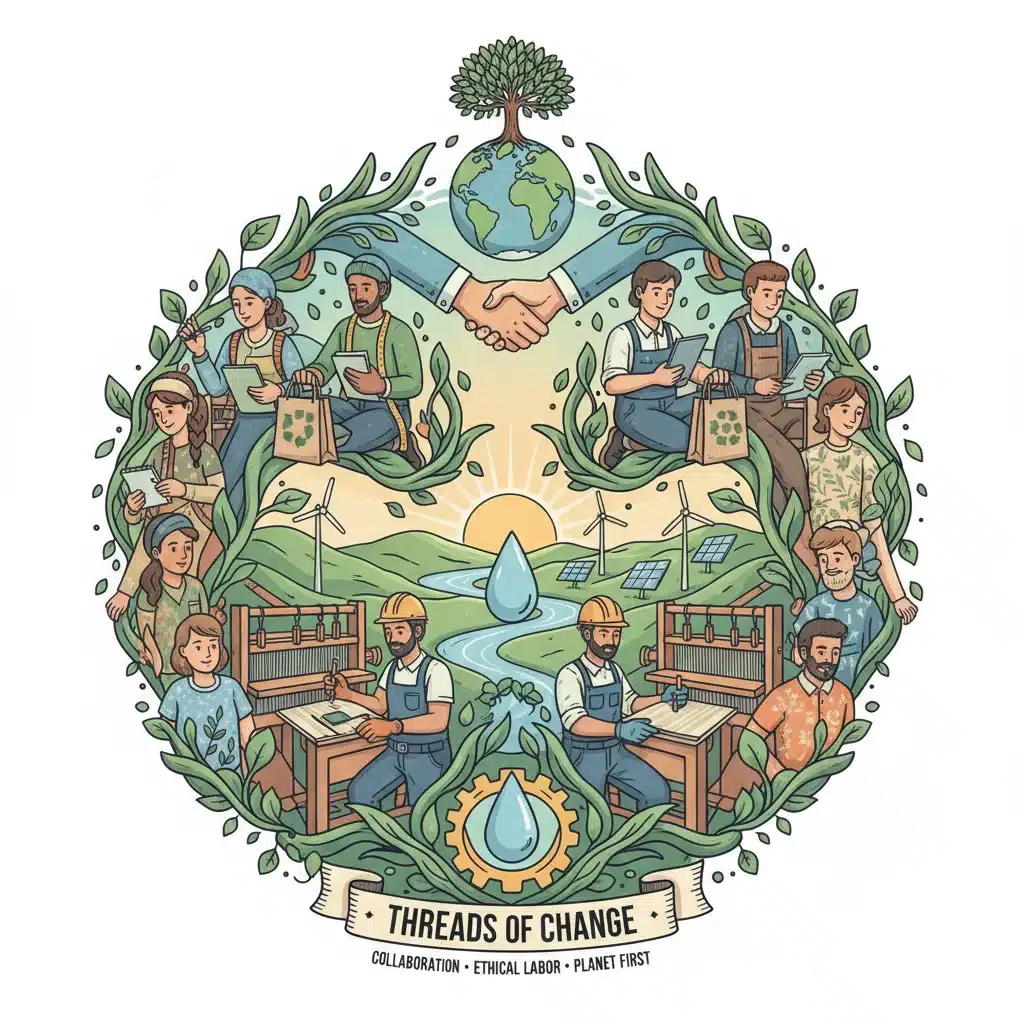
The journey towards complete textile supply chain transparency is ongoing, but the progress made by these French brands demonstrates that it is an achievable and necessary goal. Their innovations, commitment to ethical practices, and strategic use of technology are paving the way for a future where every stitch tells a story of responsibility and respect.
The Role of Collaboration and Industry Standards
Achieving widespread textile supply chain transparency requires more than individual brand efforts; it demands industry-wide collaboration. Initiatives like the Fashion Pact and various multi-stakeholder platforms are crucial for sharing best practices, developing common standards, and collectively addressing systemic issues. These collaborations can accelerate the adoption of transparent practices across the entire sector.
Empowering Consumers Through Information
Ultimately, the goal of textile supply chain transparency is to empower consumers with the information they need to make informed choices. When a consumer can easily access details about a product’s origin, materials, and ethical credentials, they become an active participant in driving positive change. This transparency fosters a deeper connection between consumers and brands, built on trust and shared values.
Economic Benefits of Transparency
Beyond ethical considerations, there are significant economic benefits to enhanced textile supply chain transparency. Improved visibility can lead to better inventory management, reduced waste, and more efficient production processes. It can also mitigate risks associated with supply chain disruptions, reputational damage, and non-compliance with regulations. Brands that embrace transparency are often seen as more resilient and trustworthy, attracting conscious investors and loyal customers.
Conclusion: A New Era for French Fashion
The year 2026 marks a critical juncture in the evolution of the textile industry, particularly for French brands. The seven brands highlighted in this article are not just adapting to new market demands; they are actively shaping the future of fashion. Their unwavering dedication to textile supply chain transparency is setting a powerful precedent, demonstrating that it is possible to combine exquisite design, commercial success, and profound ethical responsibility. As more brands follow suit, we can anticipate a future where every stitch tells a story of integrity, sustainability, and accountability, making the fashion world a better place for everyone involved.
The movement towards full textile supply chain transparency is a testament to the power of collective action, technological innovation, and evolving consumer values. French brands are proving that leadership in luxury and style can seamlessly integrate with leadership in ethics and sustainability, creating a more beautiful and responsible industry for generations to come.