From Waste to Wardrobe: 7 Innovative US Brands Leading Textile Recycling in 2026

Anúncios
In an era increasingly defined by environmental consciousness, the fashion industry, historically a significant contributor to pollution and waste, is undergoing a profound transformation. At the heart of this revolution is textile recycling, a process that converts discarded fabrics into new, usable materials, significantly reducing landfill waste and conserving resources. As we look towards 2026, the landscape of sustainable fashion is being shaped by pioneering US brands that are not just adopting but innovating in textile recycling. These companies are proving that fashion can be both stylish and sustainable, offering a beacon of hope for a more circular economy.
Anúncios
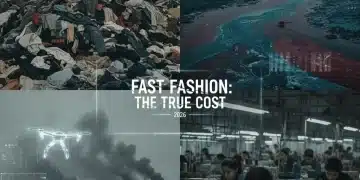
The urgency for textile recycling cannot be overstated. Annually, millions of tons of textiles end up in landfills, where they can take hundreds of years to decompose, releasing harmful greenhouse gases and leachate into the environment. Fast fashion’s relentless cycle of production and consumption exacerbates this problem, pushing the planet’s resources to their limits. However, a growing number of brands are challenging this linear model, embracing innovative technologies and business practices to close the loop on textile waste. These brands are not merely recycling; they are reimagining the entire lifecycle of clothing, from design and production to consumption and end-of-life.
This article delves into seven innovative US brands that are leading the charge in textile recycling in 2026. We’ll explore their unique approaches, the technologies they employ, and the impact they are making on the fashion industry and beyond. From turning old garments into brand-new threads to developing advanced material science, these companies are setting new benchmarks for sustainability and inspiring a new generation of eco-conscious consumers and creators. Join us as we celebrate the visionaries transforming waste into wardrobe, one recycled fiber at a time.
Anúncios
The Imperative of Textile Recycling: Why It Matters More Than Ever
Before we spotlight the trailblazing brands, it’s crucial to understand the broader context of textile recycling. The global textile industry is one of the most polluting sectors, consuming vast amounts of water, energy, and chemicals, and generating significant waste. The rise of fast fashion has accelerated these negative impacts, making clothing more disposable and increasing the volume of textile waste exponentially. Consumers are encouraged to buy more, wear less, and discard quickly, leading to a perpetual cycle that is unsustainable.
Textile recycling offers a multifaceted solution. Firstly, it diverts waste from landfills, reducing land pollution and the emission of potent greenhouse gases like methane. Secondly, it conserves natural resources. Producing new fibers, especially conventional cotton and synthetic materials like polyester, requires considerable amounts of water, pesticides, and crude oil. Recycling existing textiles reduces the demand for virgin resources, easing the environmental burden. Thirdly, it lessens energy consumption and pollution associated with manufacturing new materials from scratch. The energy required to recycle textiles is often less than that needed to produce new ones, leading to a smaller carbon footprint.
Moreover, textile recycling fosters innovation. Brands are investing in research and development to create advanced recycling technologies that can handle complex material blends, separate different fiber types, and produce high-quality recycled yarns. This innovation is not only beneficial for the environment but also for the economy, creating new jobs and industries. The shift towards a circular economy, where resources are kept in use for as long as possible, extracting the maximum value from them whilst in use, then recovering and regenerating products and materials at the end of each service life, is gaining momentum. Textile recycling is a cornerstone of this circular model, transforming waste into valuable commodities and redefining the relationship between fashion and sustainability.
1. RenewCell (US Operations): Pioneering Circulose® from Textile Waste
While originally a Swedish innovation, RenewCell has made significant inroads into the US market, collaborating with American brands to integrate their groundbreaking Circulose® material. RenewCell’s technology is a game-changer in textile recycling brands. They take textile waste, primarily cotton and other cellulosic fibers, and transform it into a new, high-quality dissolving pulp called Circulose®. This pulp can then be used to produce new textile fibers like viscose or lyocell, effectively creating a closed-loop system for cellulosic textiles.
What sets RenewCell apart is their ability to maintain the quality of the fibers through multiple recycling cycles, addressing a critical challenge in textile recycling where material quality often degrades. Their process is environmentally friendly, using renewable energy and minimizing chemical usage. By partnering with US fashion brands, RenewCell is enabling American designers and manufacturers to incorporate truly circular materials into their collections, moving away from virgin resources and significantly reducing their environmental footprint. Their presence and partnerships in the US are vital for scaling up textile recycling efforts and making sustainable fashion more accessible.
2. Ambercycle: Upcycling Polyester with Molecular Precision
Ambercycle is an innovative US company focused on addressing the massive problem of polyester waste. Polyester, a ubiquitous synthetic fiber, is derived from fossil fuels and is notoriously difficult to recycle mechanically without significant degradation in quality. Ambercycle has developed a revolutionary molecular regeneration technology that breaks down polyester textile waste into its core molecular components. These purified monomers are then re-polymerized into virgin-quality polyester, creating a truly circular solution for synthetic fabrics.
This molecular recycling process allows Ambercycle to produce high-quality, infinitely recyclable polyester fibers that can be used in a wide range of applications, from apparel to home furnishings. Their technology is a significant leap forward for textile recycling brands because it tackles one of the most challenging and prevalent textile wastes. By offering a viable and scalable solution for polyester, Ambercycle is helping US brands significantly reduce their reliance on virgin plastics and contribute to a more sustainable, circular economy. Their commitment to innovation and quality positions them as a leader in the next generation of textile recycling.
3. Retrievr: Making Textile Collection and Recycling Effortless
While not a direct manufacturer of recycled textiles, Retrievr plays a crucial role in the textile recycling ecosystem by simplifying the collection process for consumers. Based in the US, Retrievr offers on-demand doorstep pickup services for unwanted clothing and electronics, ensuring these items are properly recycled or reused. Their service addresses a major barrier to textile recycling: convenience.
Many consumers are willing to recycle their old clothes but lack easy access to donation centers or specialized textile recycling facilities. Retrievr bridges this gap, making it as easy to recycle textiles as it is to order a ride or food. Once collected, Retrievr partners with various recyclers and charities to ensure that textiles are sorted, reused, or recycled effectively. This service is invaluable for textile recycling brands, as it increases the volume of post-consumer textile waste available for processing, thereby fueling the circular economy. By creating an accessible and efficient collection infrastructure, Retrievr is empowering consumers to participate in sustainable practices and providing a steady stream of raw materials for textile recyclers and brands.
4. Circ™: Revolutionizing Cotton and Polyester Blends
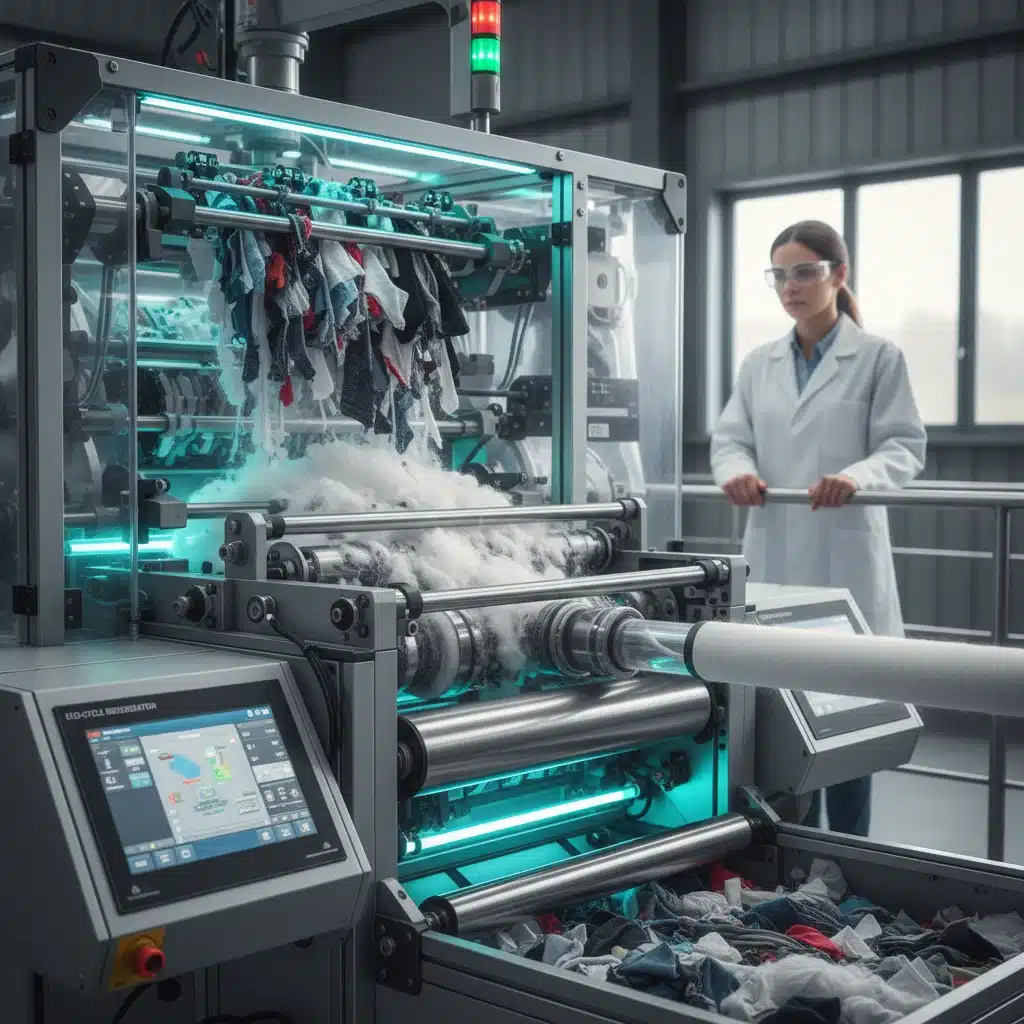
One of the most complex challenges in textile recycling is the prevalence of blended fabrics, particularly cotton-polyester blends. These materials are notoriously difficult to separate and recycle effectively using traditional methods. Circ™ (formerly known as Circular Systems) is a US-based company that has developed a groundbreaking technology to address this very issue. Their patented hydro-thermal processing technology can separate poly-cotton textile waste into its constituent parts: cellulose (from cotton) and polyester.
Once separated, both the cellulose and the polyester can be recycled back into their respective high-quality fibers, suitable for producing new garments. This capability is a monumental step forward for textile recycling brands, as it unlocks a vast new source of recyclable material that was previously considered unrecyclable. Circ™’s technology not only reduces landfill waste but also conserves virgin resources by creating a truly circular pathway for blended fabrics. Their innovation is critical for the fashion industry’s transition to full circularity, demonstrating that even complex textile waste can be transformed into valuable resources.
5. Thread International: Creating Fabric from Ocean-Bound Plastic and Waste
While primarily focused on plastic waste, Thread International, a US-based company, is making significant contributions to sustainable materials, including those used in textiles. Thread transforms plastic bottles collected from impoverished communities into high-quality, sustainable fabrics and other materials. Their process not only diverts plastic from landfills and oceans but also creates dignified jobs in Haiti and Honduras, tackling social and environmental issues simultaneously.
The fabrics produced by Thread are durable, versatile, and can be integrated into various apparel and accessory lines. While not directly recycling old garments, their approach to waste transformation significantly impacts the textile supply chain by offering an eco-friendly alternative to virgin synthetic fibers. Many textile recycling brands and sustainable fashion companies collaborate with Thread to source their materials, demonstrating the interconnectedness of waste management and textile production. Thread’s model exemplifies how innovative waste solutions can create both environmental and social good, contributing to a more responsible and ethical fashion industry.
6. SuperCircle: Building a Circular Infrastructure for Brands
SuperCircle is a US-based platform that provides comprehensive circularity solutions for fashion brands, making it easier for them to implement textile recycling and resale programs. They offer a white-label service that allows brands to collect their own products back from consumers, sort them, and then direct them to the most appropriate end-of-life solution – whether that’s resale, repair, or advanced recycling. This end-to-end service is crucial for brands looking to close the loop on their products but lacking the internal infrastructure to do so.
By partnering with SuperCircle, US textile recycling brands can offer their customers a convenient way to return old garments, ensuring that these items don’t end up in landfills. SuperCircle then leverages its network of recycling partners, including many of the innovators mentioned in this article, to ensure that materials are processed effectively. Their platform is vital for scaling textile recycling efforts across the industry, providing a critical link between consumer returns and advanced recycling technologies. SuperCircle’s focus on infrastructure and partnerships makes them an indispensable player in the journey towards a truly circular fashion economy.
7. Infinited Fiber Company (US Partnerships): From Textile Waste to Infinna™
While headquartered in Finland, Infinited Fiber Company has established strong partnerships and a growing presence in the US market, working with leading American brands to integrate their revolutionary Infinna™ fiber. Infinited Fiber Company has developed a technology that can transform textile waste, including cotton-rich materials and even blends, into a new, high-quality, regenerated textile fiber called Infinna™. This fiber has the soft feel of cotton and can be repeatedly recycled without losing its quality.
Their process is a chemical recycling method that dissolves cellulose-rich textile waste and regenerates it into new fibers, effectively creating a continuous loop for cellulosic materials. The ability to recycle a wide range of textile waste, including challenging blends, makes Infinited Fiber Company a key player in advancing textile recycling brands. Their collaborations with US fashion giants are enabling the widespread adoption of circular materials, pushing the industry towards a future where clothes are made from clothes, dramatically reducing the environmental footprint of fashion production.
The Future of Fashion: Collaboration and Innovation in Textile Recycling
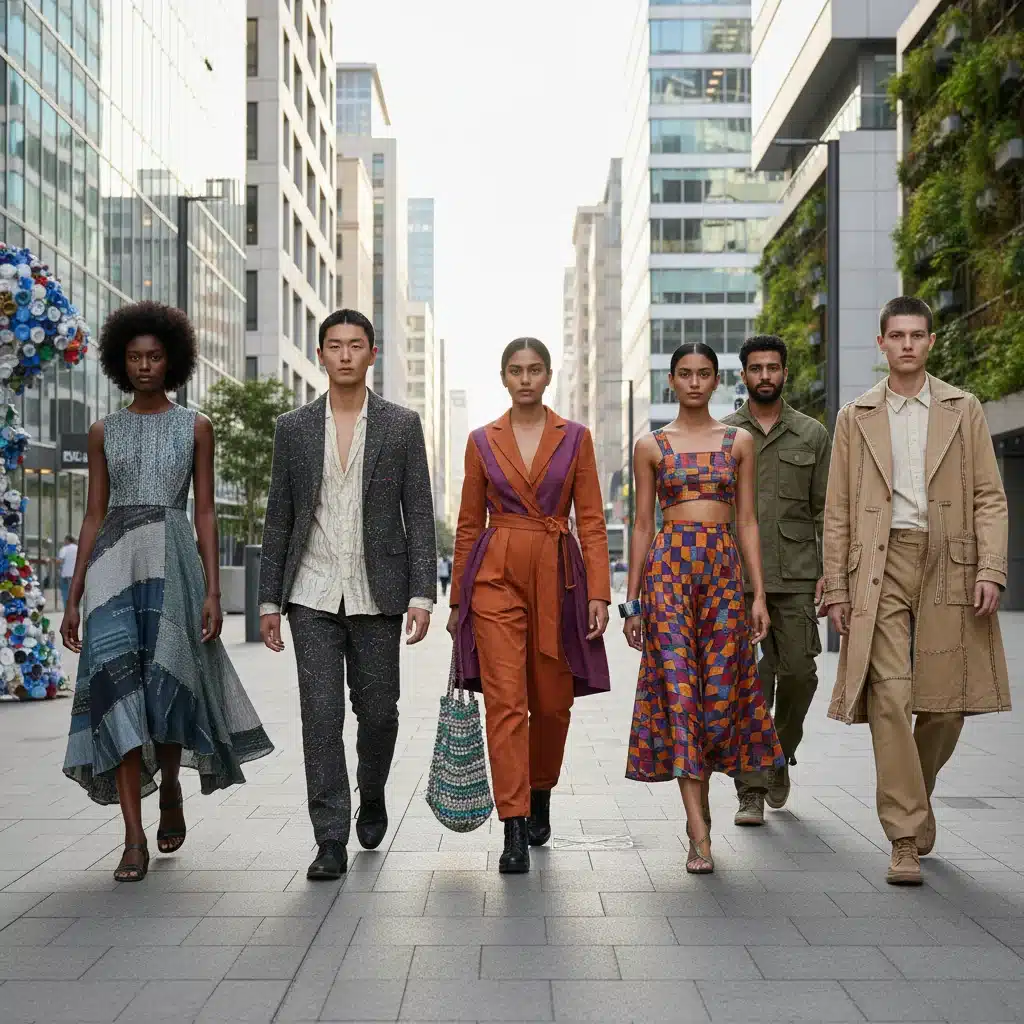
The brands highlighted above represent just a snapshot of the incredible innovation happening in US textile recycling. What’s clear is that the future of fashion is inextricably linked to circularity. These companies are not only developing groundbreaking technologies but also fostering collaborative ecosystems, recognizing that no single entity can solve the complex problem of textile waste alone. Partnerships between technology providers, brands, collectors, and consumers are essential to scale these solutions and make a meaningful impact.
The advancements in material science and recycling processes mean that soon, the concept of ‘waste’ in fashion could become obsolete. Garments will be designed with their end-of-life in mind, made from materials that can be easily recycled into new products, again and again. This shift will require changes across the entire value chain, from designers choosing recyclable materials to consumers actively participating in take-back programs.
Moreover, policy and regulatory frameworks will play a crucial role in accelerating this transition. Government incentives for sustainable production, extended producer responsibility schemes, and investment in recycling infrastructure can significantly boost the adoption of circular practices. As public awareness of fashion’s environmental impact grows, so too does the demand for sustainable alternatives, putting pressure on brands to innovate and adapt.
The journey towards a fully circular fashion industry is ongoing, but the progress made by these US textile recycling brands in 2026 offers immense hope. They are demonstrating that economic viability and environmental responsibility can go hand in hand, proving that fashion can be a force for good. By supporting these pioneering companies and embracing circular fashion, consumers can contribute to a healthier planet and a more sustainable future for style.
Challenges and Opportunities in Scaling Textile Recycling
While the progress made by these innovative US brands is commendable, scaling textile recycling to meet the industry’s vast needs presents significant challenges. One primary hurdle is the sheer volume and diversity of textile waste. The fashion industry produces an enormous quantity of garments, often made from complex blends of natural, synthetic, and semi-synthetic fibers, which complicates the recycling process. Sorting and separating these materials efficiently and cost-effectively remains a major bottleneck.
Another challenge lies in the infrastructure for collection and processing. While companies like Retrievr are making strides in collection, a comprehensive, nationwide infrastructure for textile take-back and advanced recycling is still in its nascent stages. Investment in more recycling facilities, particularly those capable of chemical recycling for blended fabrics, is crucial. Furthermore, the economic viability of recycled materials must improve. While the environmental benefits are clear, the cost of producing recycled fibers can sometimes exceed that of virgin materials, making it a harder sell for brands operating on tight margins.
However, these challenges also present significant opportunities. The growing consumer demand for sustainable products is a powerful driver for change. Brands that embrace textile recycling and circular practices can gain a competitive edge and build stronger customer loyalty. Technological advancements, such as AI-powered sorting systems and more efficient chemical recycling processes, are continuously improving the feasibility and scalability of textile recycling. Governments and industry bodies are also increasingly recognizing the importance of textile waste management, leading to potential policy support and funding for circular initiatives.
The collaboration between innovators, brands, and consumers is key. By fostering partnerships, sharing knowledge, and investing in research and development, the industry can overcome existing barriers. The long-term vision is a fashion ecosystem where every garment has a clear end-of-life pathway, contributing to a continuous loop of material use. The journey is complex, but the dedication of these US textile recycling brands is paving the way for a truly sustainable and circular fashion future.
The Consumer’s Role in Driving Textile Recycling Forward
While brands and innovators are at the forefront of developing recycling technologies and circular business models, the consumer plays an equally vital role in driving the textile recycling movement. Without active participation from individuals, even the most advanced recycling systems cannot reach their full potential. Understanding and embracing responsible consumption and disposal habits are critical for the success of textile recycling efforts.
Firstly, consumers can prioritize buying from textile recycling brands and companies that demonstrate a genuine commitment to sustainability and circularity. By supporting these businesses, consumers send a clear message to the broader fashion industry that sustainable practices are valued and in demand. This economic signal encourages more brands to invest in textile recycling and ethical production.
Secondly, extending the life of clothing is paramount. This includes proper care for garments, repairing items when possible, and opting for quality over quantity. The longer a piece of clothing is worn, the lower its environmental impact. When garments are no longer wearable, consumers should utilize available recycling programs. Services like Retrievr make this process convenient, but even local donation bins or specialized textile recycling drop-offs are valuable options.
Thirdly, educating oneself about the impact of fast fashion and the benefits of textile recycling empowers consumers to make more informed choices. Sharing this knowledge with friends and family can amplify the message and foster a collective shift towards more sustainable consumption patterns. The collective power of consumer choices can significantly influence industry practices and accelerate the transition to a circular fashion economy. By becoming active participants in the textile recycling journey, consumers are not just disposing of waste; they are contributing to the creation of new resources and a more sustainable future for fashion.