Recycled Materials Revolutionize French Fashion by 2026
Anúncios
The fashion world is constantly evolving, but few shifts have been as profound and promising as the current movement towards sustainability. In France, the epicenter of haute couture and ready-to-wear, this evolution is taking a particularly exciting turn. By 2026, the French fashion industry is projected to see a remarkable 15% increase in the offering of garments made from recycled materials. This isn’t just a fleeting trend; it’s a fundamental recalibration of an entire industry, driven by environmental imperative, consumer demand, and groundbreaking innovation. This comprehensive article delves deep into this transformative period, exploring the factors fueling this growth, the key players leading the charge, the challenges that lie ahead, and the exciting future that recycled materials are shaping for French fashion.
Anúncios
The Unstoppable Rise of Recycled Materials in French Fashion
The concept of recycling is not new, but its integration into the intricate and often resource-intensive world of fashion has gained unprecedented momentum. For decades, the fashion industry has faced scrutiny for its environmental footprint, from excessive water consumption and chemical pollution to textile waste accumulation. Recycled materials offer a compelling solution, transforming waste into valuable resources and significantly reducing the demand for virgin materials. In France, a nation deeply committed to environmental protection and renowned for its discerning taste, this shift is particularly impactful.
The 15% increase by 2026 is a conservative estimate, reflecting a growing consensus across the industry that sustainability is no longer an option but a necessity. This growth is fueled by several interconnected factors: stringent environmental regulations from the European Union and the French government, increasing consumer awareness and demand for eco-friendly products, and technological advancements that make recycled materials more versatile, durable, and aesthetically appealing than ever before. Brands are recognizing that embracing recycled materials is not only good for the planet but also a powerful differentiator in a competitive market.
Driving Forces Behind the Shift: Why Now?
Several critical elements are converging to accelerate the adoption of recycled materials in French fashion:
Anúncios
- Environmental Imperative: The urgency of climate change and resource depletion is undeniable. The fashion industry, as a major contributor to global pollution, is under immense pressure to reform its practices. Recycled materials directly address issues like landfill waste, carbon emissions, and the over-extraction of natural resources.
- Consumer Demand: Modern consumers, especially younger generations, are increasingly conscious of their purchases’ ethical and environmental implications. They are actively seeking out brands that align with their values and are willing to pay a premium for sustainable products. French consumers, known for their sophistication, are no exception, demanding transparency and responsibility from their beloved fashion houses.
- Regulatory Pressure: Both the European Union and the French government are implementing stricter environmental policies and extended producer responsibility (EPR) schemes. These regulations incentivize brands to design for longevity, repairability, and recyclability, making recycled content a strategic advantage.
- Technological Innovation: Breakthroughs in textile recycling technologies are making it possible to transform a wider range of post-consumer and post-industrial waste into high-quality fibers. From mechanical recycling of PET bottles into polyester to chemical recycling of cotton and other cellulosic fibers, the possibilities are expanding rapidly.
- Brand Reputation and Competitiveness: Brands that proactively adopt sustainable practices, including the use of recycled materials, enhance their public image, attract a new segment of environmentally conscious consumers, and future-proof their business models against evolving regulations and market expectations.
Key Recycled Materials Revolutionizing French Fashion
The landscape of recycled materials is diverse and constantly evolving. French designers and manufacturers are leveraging a variety of innovative materials to create collections that are both stylish and sustainable. Here are some of the most prominent:
Recycled Polyester (rPET)
Perhaps the most widely adopted recycled material, rPET is made from post-consumer plastic bottles. Its versatility, durability, and low cost make it a popular choice for everything from activewear and outerwear to linings and even high-fashion garments. French brands are increasingly integrating rPET into their collections, recognizing its ability to mimic virgin polyester while significantly reducing environmental impact.
Recycled Cotton
Cotton production is notoriously water-intensive. Recycled cotton, derived from pre-consumer (e.g., textile scraps from factories) and post-consumer (e.g., old garments) waste, offers a more sustainable alternative. While challenges exist in maintaining fiber length and quality during mechanical recycling, advancements are making recycled cotton a viable option for a growing number of French brands, especially for denim and casual wear.
Recycled Wool
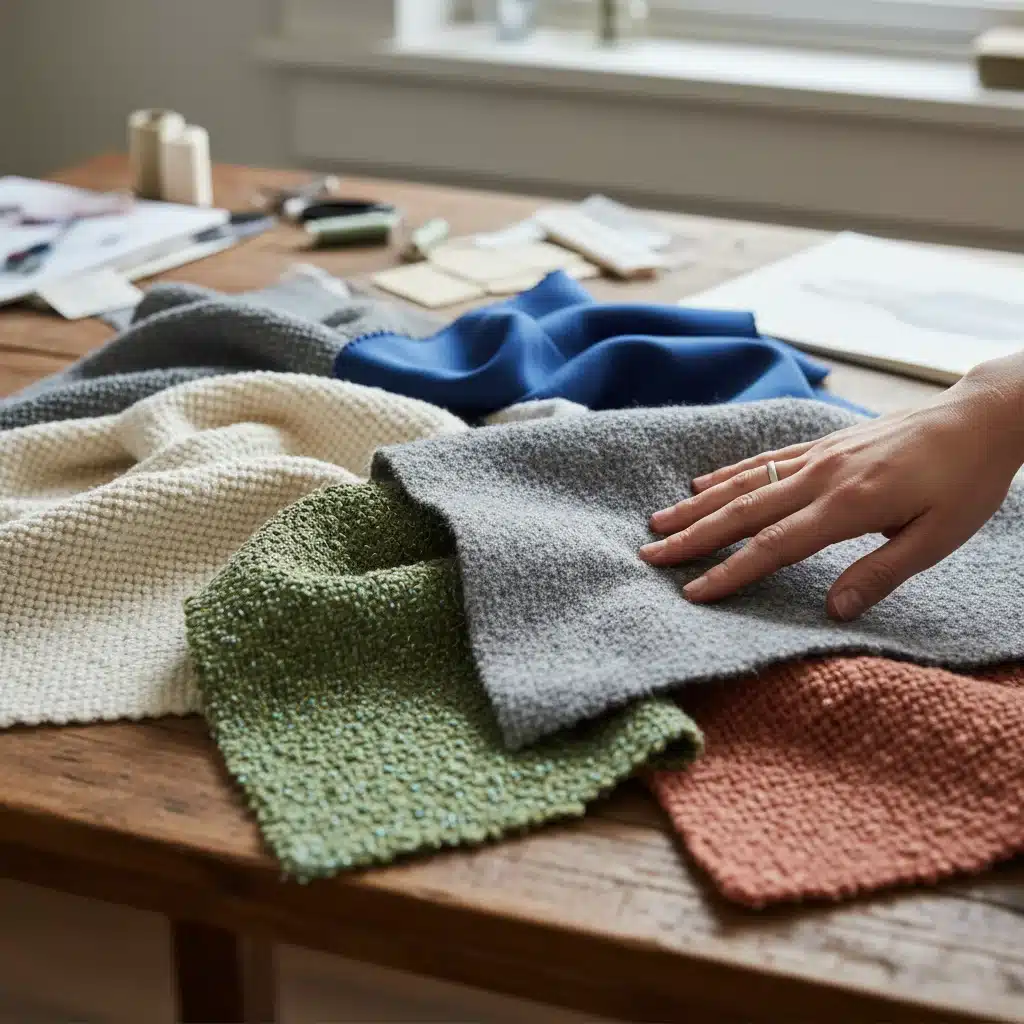
Wool is a luxurious and durable fiber, and recycling it helps to preserve its inherent qualities while reducing the need for new sheep farming and associated environmental impacts. Recycled wool is gaining traction in France, particularly for knitwear, coats, and accessories, allowing heritage brands to maintain their quality standards with a sustainable twist.
Innovative Blends and Upcycled Materials
Beyond traditional recycling, French designers are also experimenting with innovative blends that combine recycled fibers with other sustainable materials, as well as embracing upcycling – transforming discarded items or materials into new products of higher value. This includes using old fishing nets to create nylon for swimwear, industrial waste for unique embellishments, and even coffee grounds for performance fabrics. The creativity in this space is boundless, pushing the boundaries of what is possible in sustainable design.
Impact on Design, Production, and Supply Chains
The embrace of recycled materials is not merely a material swap; it necessitates a holistic transformation across the entire fashion value chain, from initial design concepts to final product delivery.
Design Innovation and Aesthetic Evolution
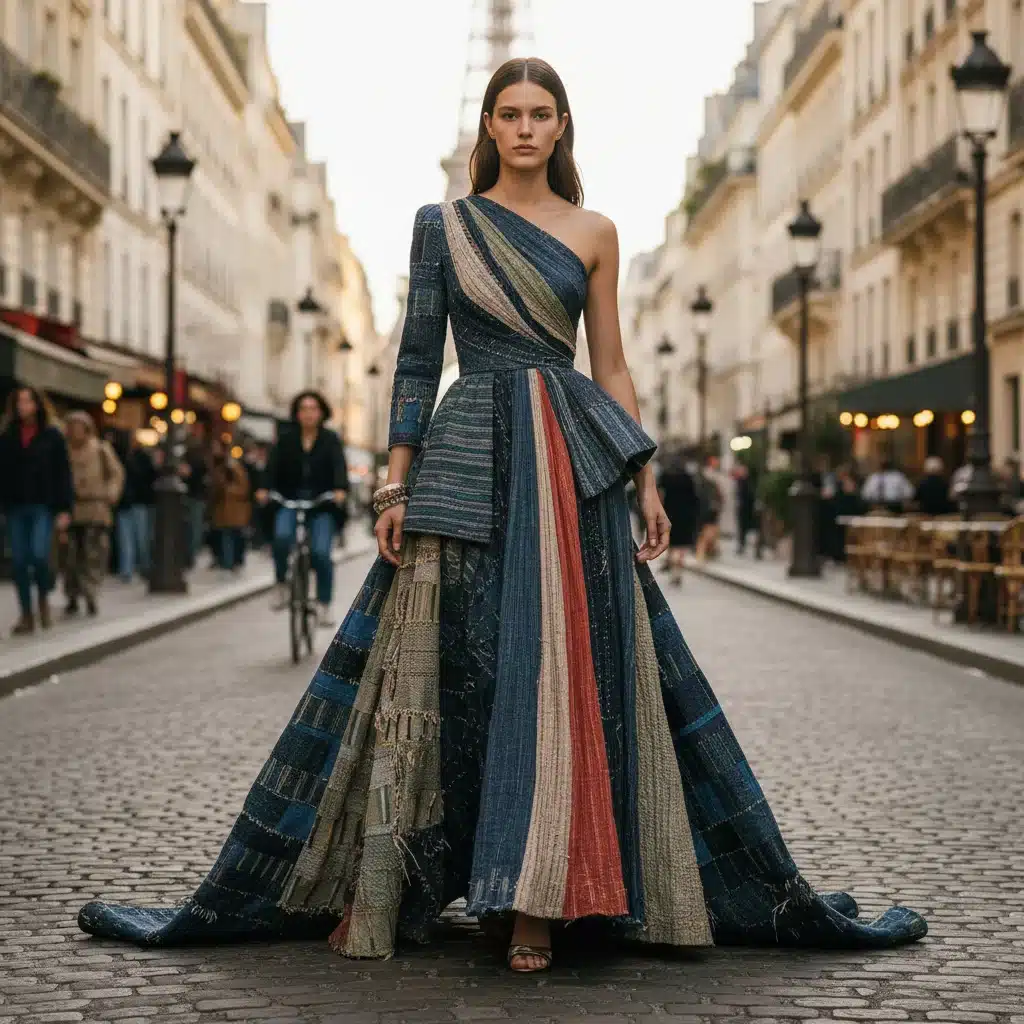
Designers are at the forefront of this revolution. The characteristics of recycled materials – their texture, drape, and color – often inspire new aesthetic directions. Instead of viewing limitations, designers are finding creative freedom in working with materials that have a story. This has led to the emergence of new design philosophies that prioritize durability, timelessness, and versatility, moving away from fast fashion’s disposability. French designers, with their innate sense of elegance and innovation, are expertly weaving these new material narratives into their collections, proving that sustainability can be synonymous with luxury and style.
Production Efficiencies and Circularity
Integrating recycled materials often requires adjustments in manufacturing processes. Brands are investing in new machinery and techniques that can handle these materials efficiently. More importantly, there’s a growing focus on circular production models. This means designing products that can be easily disassembled and recycled at the end of their life, creating a closed-loop system. French manufacturers are exploring advanced sorting technologies, chemical recycling plants, and partnerships with textile waste management companies to establish robust circular supply chains.
Supply Chain Transparency and Traceability
The shift to recycled materials also demands greater transparency and traceability within the supply chain. Consumers want to know the origin of their clothes and the journey of the materials used. Brands are implementing sophisticated tracking systems, from blockchain technology to detailed certifications, to ensure the authenticity and sustainability claims of their recycled fabrics. This increased transparency builds trust with consumers and helps to combat greenwashing, ensuring that the 15% increase in recycled material offerings represents genuine progress.
Challenges and Opportunities on the Horizon
While the momentum is strong, the path to a fully sustainable French fashion industry is not without its hurdles. However, each challenge also presents a unique opportunity for innovation and growth.
Quality and Consistency
One of the primary challenges with recycled materials, particularly mechanically recycled ones, is maintaining consistent quality and fiber length, which can impact durability and aesthetics. This is especially critical for high-end French fashion that prides itself on impeccable craftsmanship. Ongoing research and development are crucial to overcome these limitations, with chemical recycling offering promising solutions for higher-quality outputs.
Scalability and Infrastructure
To achieve a 15% increase and beyond, the infrastructure for collecting, sorting, and processing textile waste needs significant scaling up. France is investing in advanced recycling facilities and collaborating with European partners to create a more robust circular economy for textiles. The development of efficient reverse logistics and collection points for post-consumer textiles is paramount.
Cost Implications
Initially, recycled materials can sometimes be more expensive than virgin alternatives, especially when dealing with smaller production runs or nascent technologies. However, as demand grows and technologies mature, economies of scale are expected to drive down costs. Furthermore, the long-term benefits of reduced environmental impact and enhanced brand value often outweigh the initial investment.
Educating Consumers and Industry
While consumer awareness is growing, there’s still a need for clearer communication about the benefits and limitations of recycled materials. Similarly, continuous education within the industry – from designers to retailers – is essential to foster best practices and accelerate innovation. French fashion schools and industry associations are playing a vital role in integrating sustainability into their curricula and programs.
Leading French Brands Embracing Recycled Materials
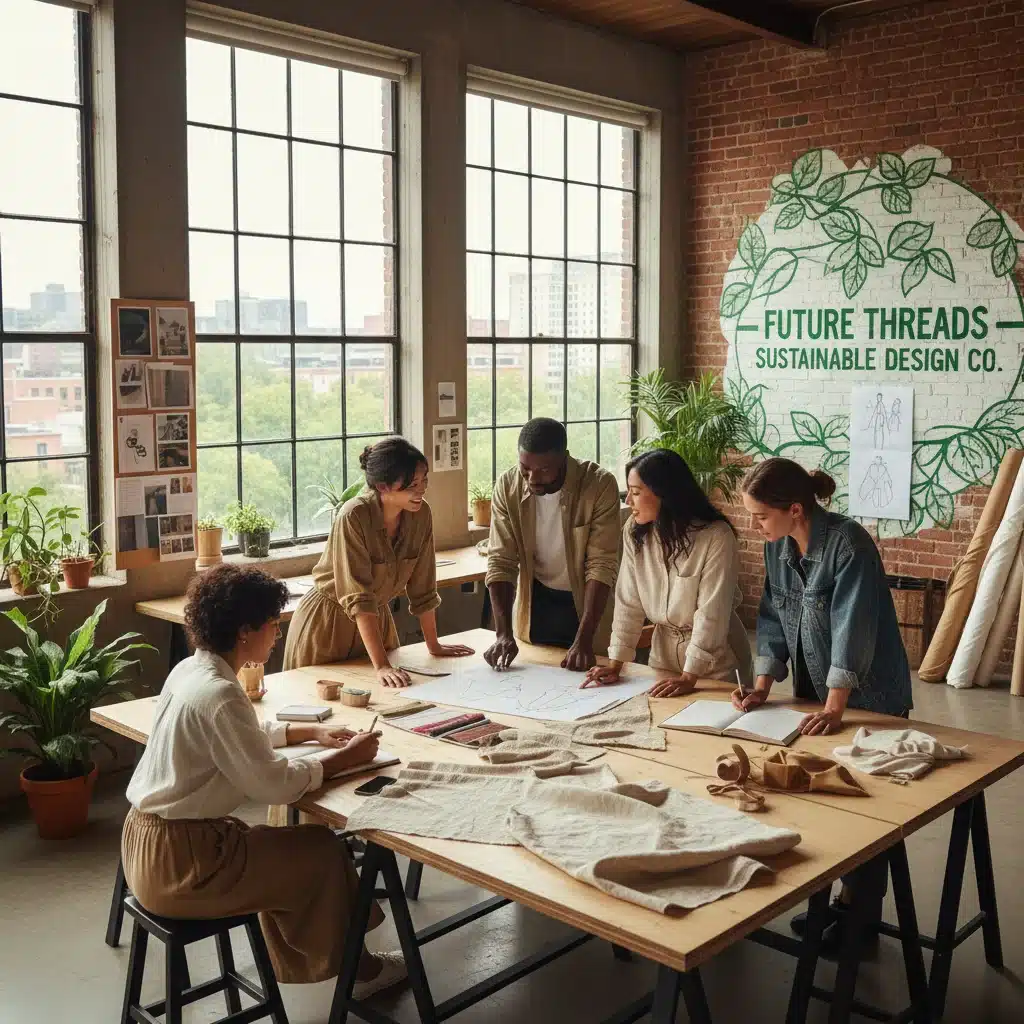
Several prominent French brands, from luxury powerhouses to emerging designers, are at the forefront of this sustainable revolution. While specific brand names might change or new ones emerge, the underlying commitment to recycled materials is a defining characteristic of forward-thinking French fashion. Many established luxury houses are subtly integrating recycled components into their collections, often starting with linings, accessories, or specific capsules, gradually expanding their sustainable offerings. Emerging brands, unburdened by legacy production methods, are often built entirely around circularity and recycled materials, setting new benchmarks for the industry.
These brands are not just using recycled fabrics; they are rethinking their entire business model. They are investing in research and development, collaborating with innovative textile companies, and engaging in transparent communication with their customers. Their commitment serves as a powerful testament to the viability and desirability of recycled fashion, inspiring others to follow suit and solidifying France’s position as a leader in sustainable luxury.
The Future of French Fashion: A Sustainable Legacy
The projected 15% increase in recycled material offerings by 2026 is more than just a statistic; it represents a paradigm shift. It signifies a collective commitment from the French fashion industry to a more responsible and sustainable future. This transformation is not just about using different materials; it’s about fostering a new mindset that values longevity, craftsmanship, and environmental stewardship above all else.
As we look towards 2026 and beyond, we can anticipate several key developments:
- Increased Investment in R&D: Further breakthroughs in textile recycling technologies, particularly chemical recycling, will enable a wider range of materials to be recycled efficiently and at a higher quality.
- Stronger Circular Ecosystems: Collaboration across the entire supply chain, from waste collection to manufacturing and retail, will create more robust and scalable circular systems.
- Mainstream Adoption: Recycled materials will move from being a niche offering to a mainstream expectation, integrated into core collections across all price points.
- Enhanced Consumer Education: Brands will continue to educate consumers on how to care for their sustainable garments and participate in end-of-life recycling programs.
- Policy Evolution: Governments will likely introduce further incentives and regulations to support the circular economy in fashion, solidifying the industry’s sustainable trajectory.
The French fashion industry, with its rich heritage of innovation and elegance, is uniquely positioned to lead this global movement. By embracing recycled materials, it is not only protecting the planet but also redefining luxury for the 21st century, proving that true style can indeed be sustainable. The journey to 2026 is just the beginning of a beautiful, greener chapter for French fashion.
Embracing the Circular Economy: A Holistic Approach
The integration of recycled materials is a cornerstone of the broader circular economy model. This model aims to keep resources in use for as long as possible, extract the maximum value from them whilst in use, then recover and regenerate products and materials at the end of each service life. For French fashion, this means moving beyond simply using recycled fabrics to designing products with their end-of-life in mind. This involves:
- Design for Durability: Creating garments that last longer, reducing the frequency of replacement.
- Design for Repairability: Making clothes easy to repair, extending their lifespan.
- Design for Disassembly: Using single-material compositions or easily separable components to facilitate recycling.
- Take-back Programs: Implementing systems where consumers can return old garments to brands for recycling or upcycling.
- Rental and Resale Models: Exploring business models that promote sharing and extending the life of garments through multiple users.
French brands are increasingly exploring these avenues, understanding that true sustainability extends beyond material choice to encompass the entire product lifecycle. This holistic approach is crucial for achieving the ambitious sustainability goals set for 2026 and beyond.
The Role of Collaboration and Partnerships
No single brand or entity can achieve a fully circular fashion industry alone. Collaboration is key. French fashion houses are forging partnerships with:
- Textile Innovators: Working with startups and research institutions developing cutting-edge recycling technologies and novel sustainable materials.
- Waste Management Companies: Collaborating to establish efficient collection, sorting, and processing systems for textile waste.
- Industry Consortia: Joining forces with other brands and stakeholders to share knowledge, set industry standards, and advocate for policy changes.
- Governments and NGOs: Partnering to create supportive regulatory frameworks and raise public awareness.
These collaborations are vital for accelerating the transition to recycled materials and building a resilient, sustainable fashion ecosystem in France. The shared vision and collective effort are what will truly drive the 15% increase by 2026 and ensure its long-term success.
Measuring Progress and Impact
To ensure that the 15% increase in recycled material offerings is meaningful, robust metrics and reporting are essential. French brands are increasingly adopting transparent reporting standards, such as the Higg Index, to measure their environmental performance. This includes tracking:
- Percentage of Recycled Content: Clearly stating the proportion of recycled materials in their products.
- Carbon Footprint Reduction: Quantifying the decrease in greenhouse gas emissions due to using recycled materials.
- Water Savings: Measuring the reduction in water consumption.
- Waste Diversion: Reporting on the amount of textile waste diverted from landfills.
By openly sharing their progress, French brands can build greater trust with consumers and demonstrate their genuine commitment to sustainability. This data-driven approach will be instrumental in validating the positive impact of recycled materials on the environment and society, reinforcing the narrative that French fashion is not only beautiful but also responsible.
Conclusion: A New Era of Elegance and Responsibility
The journey towards 2026 marks a pivotal moment for French fashion. The anticipated 15% increase in recycled material offerings is a testament to the industry’s adaptability, innovation, and growing commitment to environmental stewardship. This shift is more than just a change in sourcing; it represents a profound re-evaluation of values, driven by a desire to create beauty without compromising the planet. From the intricate designs born from innovative recycled fabrics to the collaborative efforts across the supply chain, French fashion is embracing a new era of elegance, one that is deeply intertwined with responsibility and sustainability. This transformation promises not only a greener future for the planet but also a richer, more meaningful narrative for the iconic French fashion industry.