5 Ethical Fashion Brands Achieving 100% Supply Chain Transparency by 2026

Anúncios
In an era where consumers are increasingly conscious of their purchasing power and its impact on the world, the fashion industry faces unprecedented pressure to evolve. The demand for ethical fashion transparency is not just a trend; it’s a fundamental shift towards accountability, sustainability, and human rights. For too long, the intricate and often opaque nature of global supply chains has allowed for exploitation and environmental degradation to thrive unchecked. However, a new wave of pioneering brands is emerging, committed to illuminating every step of their production process. By 2026, several forward-thinking companies are aiming to achieve 100% supply chain transparency, setting a new benchmark for the entire industry. This article delves into five such ethical fashion brands in the US, exploring their innovative strategies and unwavering commitment to a more transparent future.
Anúncios
The journey towards full supply chain transparency is arduous, fraught with challenges ranging from complex international regulations to the sheer volume of suppliers and subcontractors involved. Yet, the brands highlighted here are demonstrating that it is not only possible but imperative. Their efforts are not just about compliance; they are about building trust with consumers, fostering fair labor practices, and minimizing their ecological footprint. As we unpack their stories, we will see how these brands are not merely adapting to consumer demands but are actively shaping the future of ethical fashion, proving that style and ethics can, and should, go hand in hand.
The Imperative of Ethical Fashion Transparency
The fashion industry is notorious for its complex, multi-tiered supply chains, which often stretch across continents and involve countless intermediaries. This complexity has historically made it difficult, if not impossible, for brands to fully understand the origins of their materials, the conditions under which their garments are made, or the environmental impact of their production processes. The Rana Plaza factory collapse in Bangladesh in 2013, which killed over 1,100 garment workers, served as a grim reminder of the human cost of this opacity, galvanizing a global movement for greater accountability.
Ethical fashion transparency is about shedding light on these hidden corners of the supply chain. It means knowing where raw materials come from, who makes the clothes, under what conditions, and with what environmental impact. For consumers, transparency provides the information needed to make informed choices, aligning their values with their purchases. For brands, it offers a pathway to mitigate risks, improve efficiency, and build a stronger, more trustworthy reputation. Beyond mere compliance, it fosters a culture of responsibility that benefits workers, communities, and the planet.
Anúncios
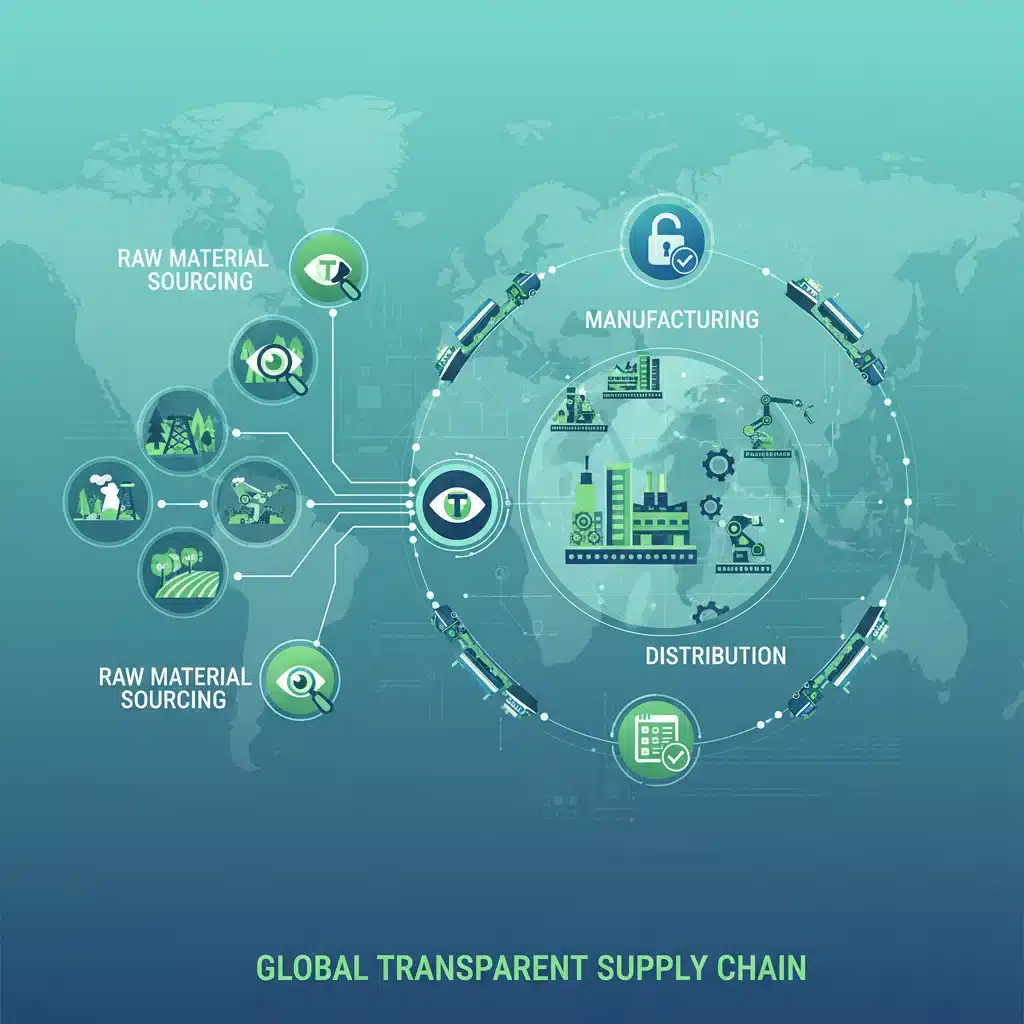
Achieving 100% transparency by 2026 is an ambitious goal, requiring significant investment in technology, robust data collection, and deep collaboration with suppliers. It involves mapping every tier of the supply chain, from the farm where cotton is grown to the factory where garments are cut and sewn, and even to the logistics providers who transport them. This level of detail allows brands to identify potential areas of exploitation, environmental harm, and inefficiency, enabling them to implement targeted improvements. The brands leading this charge are not just responding to external pressure; they are proactively driving change, understanding that true sustainability cannot exist without complete transparency.
Pact: Organic Cotton Pioneers with Full Visibility
Pact has carved out a significant niche in the ethical fashion market by focusing on comfortable, affordable apparel made from 100% organic cotton. Their commitment to ethical fashion transparency begins at the very source: the farm. Pact works exclusively with GOTS (Global Organic Textile Standard) certified organic cotton, ensuring that their materials are grown without toxic pesticides or GMOs, protecting both the environment and the health of farmers. But their transparency journey extends far beyond the cotton fields.
Pact is dedicated to providing consumers with a clear understanding of their entire supply chain. They openly share information about their factories, which are all Fair Trade Certified™. This certification guarantees safe working conditions, environmental protection, and sustainable livelihoods for workers, along with additional community development funds. By partnering with Fair Trade certified factories, Pact ensures that every person involved in the production of their clothing receives fair wages and works in a healthy environment. Their website often features detailed information about their manufacturing partners, including their locations and the specific certifications they hold, allowing customers to trace the ethical journey of their garments.
Looking ahead to 2026, Pact is enhancing its transparency efforts by implementing advanced tracking systems that will provide even more granular data on their supply chain. This includes leveraging blockchain technology to immutably record each step of production, from seed to finished product. Their goal is to offer consumers the ability to scan a QR code on any garment and instantly access a comprehensive digital footprint, detailing its origin, environmental impact, and social compliance data. This level of verifiable transparency will solidify Pact’s position as a leader in ethical organic apparel, empowering consumers with unparalleled insight into their purchases.
Everlane: Radical Transparency Redefined
Everlane burst onto the fashion scene with a bold promise: “Radical Transparency.” This philosophy has been at the core of their brand identity since its inception, challenging the traditional opacity of the fashion industry. Everlane’s approach to ethical fashion transparency is multifaceted, focusing on revealing the true cost of their products and the factories where they are made. They meticulously break down the costs of materials, labor, transport, duties, and overhead, showing consumers the difference between their transparent pricing and traditional retail markups.
Beyond pricing, Everlane is renowned for its detailed factory profiles. Their website features in-depth stories, photos, and videos of the factories they partner with across the globe. These profiles highlight the working conditions, employee well-being initiatives, and environmental practices of each facility. By putting a human face to their production process, Everlane builds trust and demonstrates a genuine commitment to ethical manufacturing. They conduct regular audits of their factories to ensure compliance with fair labor standards, environmental regulations, and worker safety protocols, often going beyond minimum requirements.
As Everlane strives for 100% supply chain transparency by 2026, they are investing heavily in strengthening their supplier relationships and data infrastructure. This includes implementing more rigorous third-party verification systems and expanding their factory auditing program to cover every single tier of their supply chain, including raw material sourcing. Their vision is to create a fully traceable product lifecycle, where every component, from the buttons to the threads, can be tracked back to its origin. This commitment to ‘radical transparency’ is not just a marketing slogan; it’s a continuous journey towards complete accountability, making them a benchmark for other brands aspiring to genuine ethical practices.
Outdoor Voices: Sustainable Activewear with Clear Origins
Outdoor Voices, a popular activewear brand, is making significant strides in integrating sustainability and ethical fashion transparency into its core business model. While known for its comfortable and stylish athletic apparel, the brand is increasingly focusing on the environmental and social impact of its production. Their journey towards 100% transparency by 2026 is driven by a desire to offer consumers activewear that not only performs well but also aligns with their values.
The brand has been vocal about its efforts to source recycled and responsibly produced materials, such as recycled polyester made from plastic bottles and sustainably harvested wood pulp fibers like Tencel. Their transparency initiatives include providing detailed information about the composition of their fabrics and the environmental benefits of choosing these materials. Outdoor Voices is also working to map out its manufacturing facilities, sharing insights into their factory partners’ certifications and ethical labor practices. They emphasize long-term partnerships with factories that adhere to high social and environmental standards, ensuring fair wages and safe working conditions for employees.
To achieve full supply chain transparency by 2026, Outdoor Voices is implementing a comprehensive supplier management system. This system will allow them to track and verify the ethical and environmental performance of every supplier, from yarn spinners to dye houses and cut-and-sew facilities. They plan to leverage digital platforms to share this information with their customers, potentially through product-specific QR codes that link to detailed supply chain data. Their commitment extends to reducing waste in their production processes and exploring circular design principles, aiming for a fully transparent and regenerative approach to activewear manufacturing. By openly sharing their progress and challenges, Outdoor Voices is building a community of conscious consumers who value both performance and provenance.

Patagonia: A Legacy of Environmental and Social Stewardship
Patagonia stands as a titan in the world of outdoor apparel, renowned not only for its high-quality, durable products but also for its unwavering commitment to environmental activism and social responsibility. Their dedication to ethical fashion transparency is deeply embedded in their corporate ethos, predating the recent surge in consumer demand for ethical practices. Patagonia’s journey towards 100% transparency is an evolution of their long-standing principles, aiming to set an even higher bar for the industry.
For decades, Patagonia has been at the forefront of supply chain innovation. They were early adopters of organic cotton, recycled materials, and fair trade practices. Their ‘Footprint Chronicles’ project, launched years ago, was an pioneering interactive platform that allowed customers to explore the environmental and social impact of specific products, tracing them from design to delivery. Patagonia openly shares information about its factory partners, their environmental programs, and their efforts to ensure fair labor practices. They are a founding member of the Fair Labor Association and have robust auditing processes in place to monitor compliance with their stringent social and environmental standards.
By 2026, Patagonia aims to achieve complete, verifiable transparency across all tiers of its supply chain, including the most challenging aspects like raw material extraction and processing. This involves expanding their use of blockchain technology to track materials like cotton, wool, and down, ensuring their ethical sourcing and environmental impact are fully documented. They are also investing in regenerative agriculture initiatives to improve soil health and carbon sequestration at the farm level, and plan to share the detailed impact metrics of these programs. Patagonia’s commitment extends to advocating for systemic change within the industry, pushing for greater collective responsibility and transparent reporting from all brands. Their continuous pursuit of transparency reinforces their position as a leading voice in sustainable and ethical business practices.
KOTN: Tracing Egyptian Cotton from Farm to Fabric
KOTN is a brand built on the foundation of authenticity and ethical production, specializing in timeless essentials made from ethically sourced Egyptian cotton. Their commitment to ethical fashion transparency is not just a promise; it’s a direct investment in the communities and farms that produce their primary material. KOTN’s goal of achieving 100% supply chain transparency by 2026 is a natural extension of their existing model, which prioritizes direct relationships and verifiable impact.
Unlike many brands that rely on intermediaries, KOTN works directly with cotton farmers in Egypt, ensuring fair prices and stable incomes. They actively invest in the communities where their cotton is grown, building schools and providing resources to improve the lives of farmers and their families. This direct-to-farm model inherently provides a higher degree of transparency regarding the origin and quality of their raw materials. KOTN also owns its own factories, giving them full control over working conditions, wages, and environmental practices. This vertical integration allows them to ensure that every garment is produced under fair and safe conditions, with a minimal ecological footprint. They regularly share stories and images from their farms and factories, humanizing the production process and fostering a deeper connection with their customers.
To reach 100% supply chain transparency by 2026, KOTN is enhancing its digital traceability systems. They are developing an interactive platform that will allow customers to trace the specific batch of cotton used in their garment back to the individual farm and cooperative. This system will include details about the farmers, the environmental practices employed, and the social impact initiatives supported by KOTN in those communities. Furthermore, they are working on comprehensive lifecycle assessments for all their products, providing transparent data on water usage, carbon emissions, and waste generation. By maintaining tight control over their entire supply chain and openly sharing their journey, KOTN is demonstrating that true ethical fashion is about more than just a product; it’s about a commitment to people and planet from the ground up.
The Future of Ethical Fashion: Beyond 2026
The commitment of these five brands to achieve 100% ethical fashion transparency by 2026 is a powerful testament to the evolving landscape of the industry. Their efforts are not isolated; they are part of a growing global movement towards greater accountability and sustainability. As technology advances, tools like blockchain, advanced data analytics, and digital product passports are becoming more accessible, making comprehensive supply chain mapping increasingly feasible. These innovations will further empower brands to track materials, verify ethical practices, and communicate with consumers with unprecedented clarity.
Beyond 2026, the expectation for transparency will likely become the norm rather than the exception. Consumers will increasingly demand not just ethical products, but also verifiable proof of ethical production. This will put pressure on other brands to follow suit, leading to a more responsible and equitable fashion ecosystem. The brands highlighted here are demonstrating that transparency is not a burden but an opportunity – an opportunity to build stronger relationships with suppliers, foster innovation, reduce environmental impact, and cultivate unwavering consumer trust. Their journey provides a roadmap for how the entire fashion industry can move towards a future where every garment tells a clear, honest story of its origin and impact.
However, achieving complete transparency is an ongoing process that requires continuous effort, investment, and collaboration. It involves addressing complex issues such as subcontractor networks, the environmental impact of dyeing and finishing processes, and the ethical treatment of workers in every corner of the globe. The brands leading this charge understand that transparency is not a destination but a continuous commitment to improvement. Their work is paving the way for a fashion industry that is not only stylish and innovative but also deeply responsible, sustainable, and transparent from start to finish.
Conclusion: A Transparent Tomorrow for Fashion
The pursuit of 100% ethical fashion transparency by 2026 by brands like Pact, Everlane, Outdoor Voices, Patagonia, and KOTN marks a pivotal moment for the industry. These pioneers are not just selling clothes; they are selling a vision of a better, more accountable future. Their dedication to revealing every step of their supply chain empowers consumers, protects workers, and champions environmental stewardship. By embracing advanced technologies and fostering deep, ethical relationships with their partners, they are demonstrating that true transparency is achievable and profoundly impactful.
As consumers, our role in this transformation is crucial. By supporting brands committed to transparency and demanding more information about the clothes we buy, we can accelerate the shift towards a more ethical and sustainable fashion industry. The commitment of these brands to shed light on their entire production process is setting a new standard, proving that it is possible to combine commercial success with profound social and environmental responsibility. The future of fashion is transparent, and these brands are leading the way, one ethically made garment at a time. Their success will undoubtedly inspire many more to follow, creating a ripple effect that will redefine the very essence of how clothes are made and consumed globally.