Navigating Greenwashing in 2026: A 4-Step Guide for US Shoppers
Anúncios
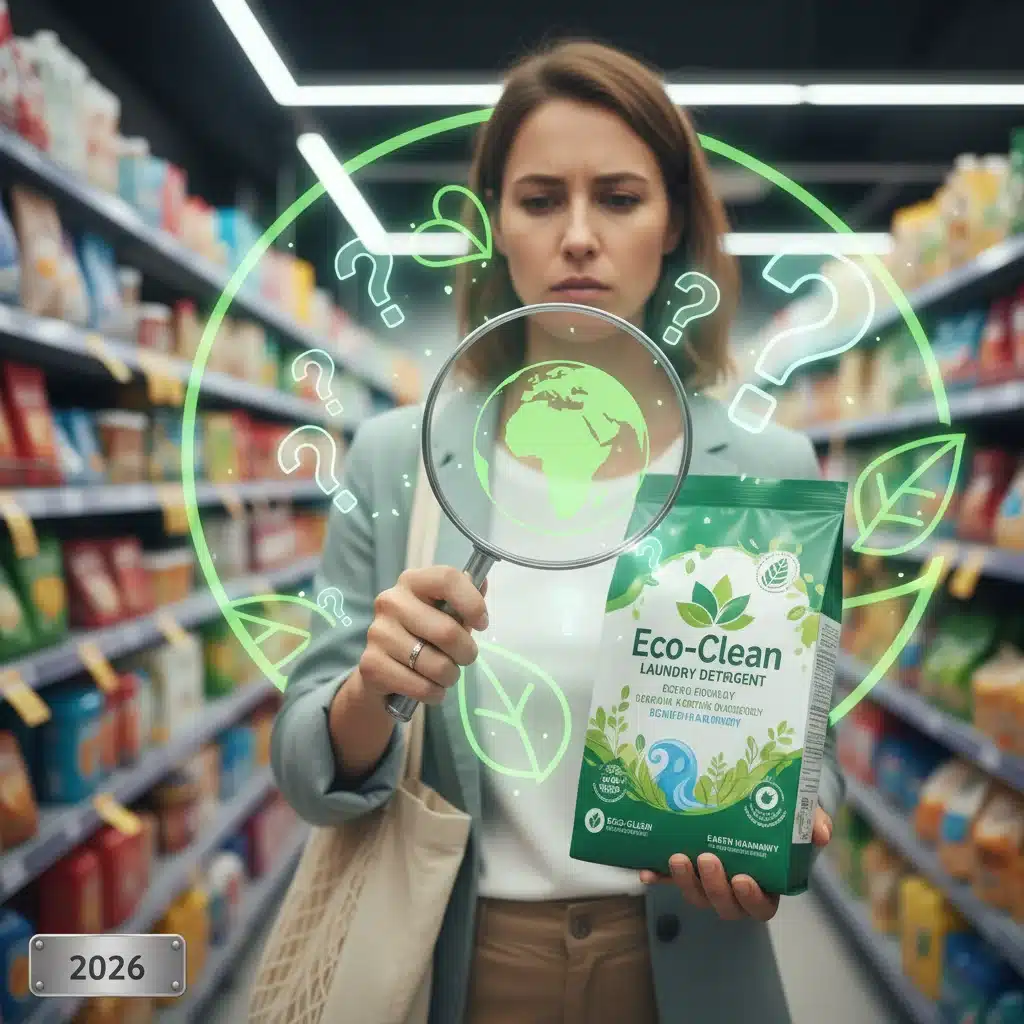
In an era where environmental consciousness is no longer a niche concern but a mainstream imperative, consumers are increasingly seeking products and services that align with their values. However, this surge in demand for sustainability has unfortunately given rise to a deceptive practice known as greenwashing. As we look towards 2026, understanding and effectively navigating greenwashing is more crucial than ever for US shoppers. This comprehensive guide will equip you with a robust 4-step framework to identify and avoid greenwashing, ensuring your purchasing power genuinely supports a healthier planet.
Greenwashing refers to the act of misleading consumers regarding the environmental practices of a company or the environmental benefits of a product or service. It’s a marketing tactic designed to capitalize on the growing market for eco-friendly goods, often without substantive environmental improvements to back up the claims. The consequences are significant: not only does it deceive well-intentioned consumers, but it also undermines genuine efforts towards sustainability and makes it harder for truly eco-conscious brands to stand out. In 2026, with climate change concerns intensifying and regulatory landscapes evolving, the sophistication of greenwashing tactics is also increasing, demanding a more vigilant and informed consumer base.
Anúncios
Understanding the Landscape of Greenwashing in 2026
Before diving into our 4-step guide to avoid greenwashing 2026, it’s essential to grasp the current state of play. The types of greenwashing have become more subtle and pervasive. No longer are companies simply slapping a green leaf on their packaging; tactics now include:
- Vague Language: Using terms like ‘eco-friendly,’ ‘natural,’ ‘sustainable,’ or ‘green’ without providing specific details or certifications. What does ‘natural’ truly mean if the product contains highly processed ingredients?
- Irrelevant Claims: Highlighting an environmentally friendly attribute that is legally required or otherwise insignificant. For instance, a product proclaiming to be ‘CFC-free’ when CFCs have been banned for decades.
- Lesser of Two Evils: Promoting a product as ‘green’ compared to other, even less environmentally sound products within the same category, while the product itself still has significant negative impacts.
- Hidden Trade-offs: Focusing on one positive environmental attribute while ignoring more significant environmental harms. A product might be made from recycled content but produced in a factory with high emissions or poor labor practices.
- No Proof: Making environmental claims without providing any verifiable evidence or third-party certifications.
- Outright Lying: Fabricating environmental claims or certifications that don’t exist.
- Greenwashing by Association: Partnering with environmental organizations or sponsoring green initiatives to appear eco-conscious, without fundamentally changing their core business practices.
The digital age has also amplified greenwashing, with companies using social media and influencer marketing to disseminate their eco-friendly narratives, often without critical scrutiny. In 2026, consumers must be prepared to look beyond slick marketing campaigns and delve deeper into a brand’s true environmental footprint.
Anúncios
Step 1: Scrutinize Claims and Look for Specifics
The first line of defense against greenwashing is a critical eye. When a product or company makes an environmental claim, your immediate reaction should be to question its specificity. Vague claims are the hallmark of greenwashing. To truly avoid greenwashing 2026, you need to demand details.
What to Look For:
- Quantifiable Data: Instead of ‘uses less water,’ look for ‘uses 30% less water compared to our previous model’ or ‘saves X liters of water per wash.’
- Specific Ingredients/Materials: If a product claims to be ‘natural,’ what specific natural ingredients are used? Are they sustainably sourced? If it’s ‘recycled,’ what percentage is post-consumer recycled content?
- Defined Processes: Claims about ‘sustainable manufacturing’ should be backed by descriptions of specific processes, such as renewable energy use, waste reduction programs, or closed-loop systems.
- Avoid Buzzwords Without Substance: Words like ‘pure,’ ‘earth-friendly,’ ‘bio,’ or ‘non-toxic’ are often meaningless without further explanation or certification. ‘Non-toxic’ to whom? At what concentration?
Practical Application:
When you pick up a product, don’t just glance at the front label. Turn it over. Read the fine print. Does the packaging elaborate on the ‘eco-friendly’ claim? If a company boasts about its carbon neutrality, do they explain how they achieve it – through reduction, offsets, or both? Are the offsets credible?
For example, a cleaning product labeled ‘plant-based’ might still contain harmful synthetic chemicals. A truly transparent brand would list all ingredients, their sources, and their environmental impact. A clothing brand claiming ‘sustainable cotton’ should specify if it’s organic, BCI (Better Cotton Initiative), or recycled cotton, and ideally provide details on its supply chain.
Step 2: Verify with Third-Party Certifications and Standards
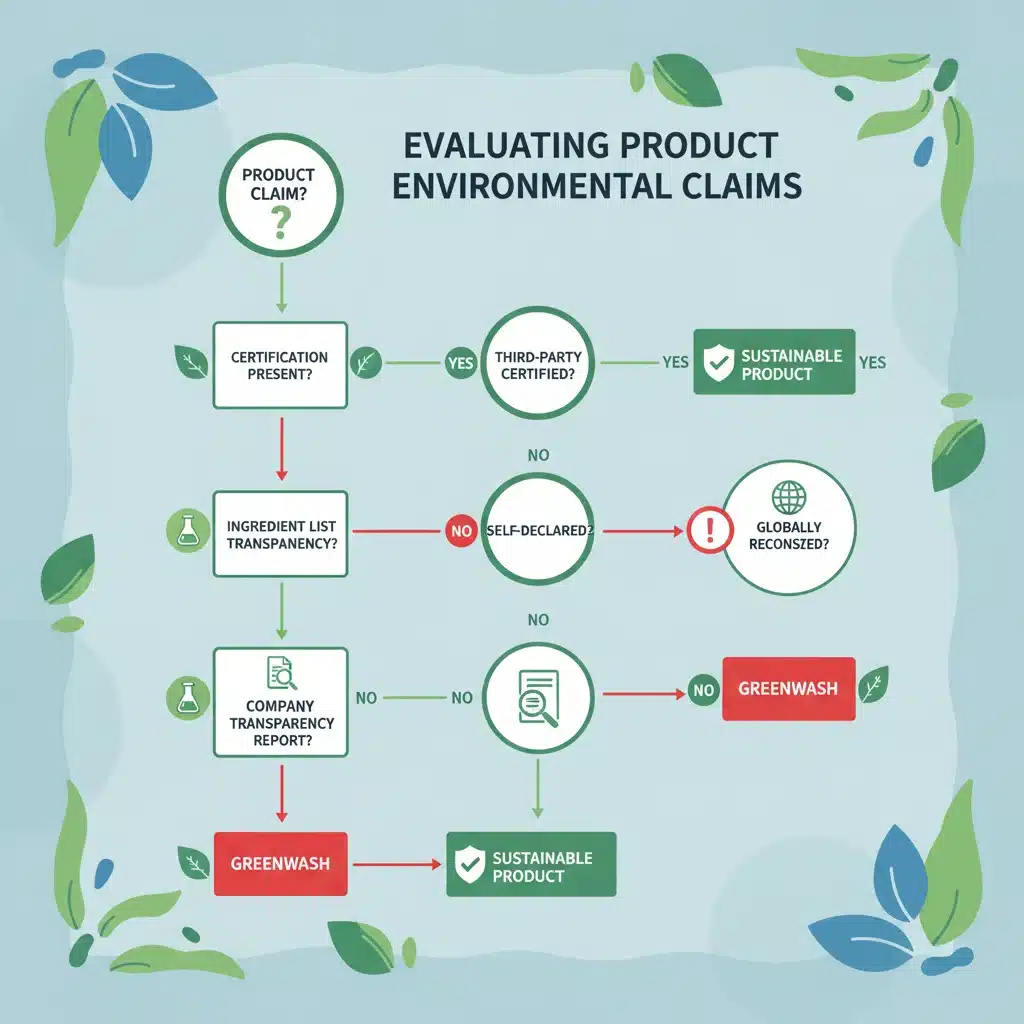
In the complex world of environmental claims, third-party certifications act as independent verifiers, cutting through the marketing noise. These certifications are awarded by independent organizations that assess products, processes, or companies against a set of predetermined environmental and social standards. Relying on these can significantly help you avoid greenwashing 2026.
Why Certifications Matter:
- Credibility: They indicate that an independent body has scrutinized the product or company.
- Transparency: Reputable certifications often have publicly available criteria, allowing consumers to understand what the label signifies.
- Consistency: They provide a standardized way to compare products across different brands.
Key Certifications to Look For in 2026 (US Focus):
- USDA Organic: For food and agricultural products, ensuring they meet strict standards for organic production.
- Energy Star: For energy-efficient appliances and electronics.
- Fair Trade Certified: For products ensuring fair wages and working conditions, often with environmental components.
- EPEAT: For electronics, assessing environmental attributes across their lifecycle.
- Forest Stewardship Council (FSC): For wood and paper products, ensuring responsible forest management.
- Global Organic Textile Standard (GOTS): For organic fibers, covering ecological and social criteria.
- EWG Verified: For personal care and cleaning products, indicating they meet strict health and ingredient transparency standards.
- B Corp Certification: For entire businesses, signifying they meet high standards of verified performance, accountability, and transparency on factors from employee benefits and charitable giving to supply chain practices and input materials.
- Green Seal: For cleaning products, paints, and other consumer goods, indicating reduced environmental impact.
- Cradle to Cradle Certified: Assesses products for safety of materials, circularity, clean air & climate protection, water & soil stewardship, and social fairness.
How to Use Them:
Familiarize yourself with the logos of reputable certifications relevant to the products you buy. Be wary of proprietary ‘eco-labels’ created by companies themselves that lack independent verification. Always check if the certification is current and legitimate; some companies might use expired or fake logos.
Step 3: Research the Company’s Overall Environmental Record and Transparency
Greenwashing isn’t just about individual products; it can also be about a company’s broader image. A single ‘green’ product doesn’t make an entire corporation sustainable, especially if their core business practices are environmentally detrimental. To truly avoid greenwashing 2026, you need to look at the bigger picture.
Investigate Beyond the Product:
- Company Website: Look for a dedicated sustainability report or section. Is it comprehensive, or does it just contain feel-good statements? Do they set specific, measurable, achievable, relevant, and time-bound (SMART) goals?
- Supply Chain Transparency: Does the company disclose where its materials come from and how they are sourced? Are they addressing issues like deforestation, water pollution, or labor exploitation in their supply chain?
- Environmental Impact Reports: Reputable companies often publish annual reports detailing their carbon footprint, waste generation, water usage, and progress on reduction targets. Look for these reports and scrutinize their contents.
- News and Media Coverage: Search for independent news articles, investigative reports, or NGO assessments of the company’s environmental performance. Are there any controversies or accusations of greenwashing against them?
- Employee Reviews: Platforms like Glassdoor can sometimes offer insights into a company’s internal culture regarding sustainability and ethics.
Red Flags:
- Lack of Data: A company that talks a lot about being green but provides no data or quantifiable results.
- Shifting Blame: Companies that blame consumers for environmental problems rather than taking responsibility for their own production impacts.
- Cherry-Picking Data: Highlighting minor environmental improvements while ignoring major environmental harms.
- History of Environmental Violations: A company with a track record of fines or penalties for environmental damage is unlikely to be a true sustainability leader.
For instance, a fossil fuel company investing a tiny fraction of its profits into renewable energy projects while continuing to heavily invest in oil and gas extraction might be engaging in greenwashing by trying to appear environmentally conscious without fundamentally changing its business model. Similarly, a fast-fashion brand launching a ‘sustainable collection’ while still producing millions of garments under exploitative conditions and contributing massively to textile waste is a classic example of greenwashing.
Step 4: Engage, Educate, and Advocate
Being an informed consumer is powerful, but collective action amplifies that power. The final step in our guide to avoid greenwashing 2026 involves active participation in shaping a more honest and sustainable marketplace.
Share Your Knowledge:
- Talk to Others: Share what you’ve learned about greenwashing with friends, family, and colleagues. The more people who are aware, the harder it is for companies to get away with deceptive practices.
- Use Social Media Wisely: Follow reputable environmental organizations, consumer advocacy groups, and ethical influencers who provide evidence-based information. Share their content and critically question brands you suspect of greenwashing.
- Review Products: Leave reviews on products detailing your findings about their sustainability claims. Highlight both genuine sustainability efforts and instances of suspected greenwashing.
Support Genuine Sustainable Brands:
- Vote with Your Wallet: Consciously choose to support brands that demonstrate genuine commitment to sustainability, transparency, and ethical practices. This sends a clear message to the market.
- Look for Local and Small Businesses: Often, smaller local businesses have more direct control over their supply chains and a stronger connection to their community, making their sustainability claims potentially more trustworthy.
Advocate for Change:
- Contact Companies Directly: If you have questions about a company’s environmental claims, reach out to them. Demand clarity and evidence. Your feedback matters.
- Support Policy and Regulation: Advocate for stronger regulations against misleading environmental claims. In the US, organizations like the Federal Trade Commission (FTC) have Green Guides, but these need to be robustly enforced and updated to keep pace with evolving greenwashing tactics. Support organizations that lobby for stricter environmental marketing standards.
- Report Suspected Greenwashing: If you encounter blatant greenwashing, consider reporting it to consumer protection agencies or relevant industry watchdogs.

The Future of Greenwashing and Consumer Power in 2026 and Beyond
As we move further into the 2020s, the landscape of sustainability and consumer awareness will continue to evolve. Regulatory bodies are becoming more aware of greenwashing, and there’s a growing push for standardized reporting and clearer definitions of ‘sustainable’ claims. However, companies will also continue to innovate their marketing strategies. This means that consumer vigilance will remain paramount.
Your role as a US shopper is more significant than ever. Every purchasing decision is an opportunity to either inadvertently support deceptive practices or consciously reward genuine environmental stewardship. By applying this 4-step guide – scrutinizing claims, verifying with certifications, researching company records, and actively engaging – you can confidently avoid greenwashing 2026 and become a powerful force for positive change.
Remember, true sustainability is complex and multifaceted. No company or product is perfectly ‘green.’ The goal is not to find perfection but to identify and support those genuinely striving for significant, measurable, and transparent improvements in their environmental and social impact. By doing so, you contribute to a marketplace where honesty and genuine effort are rewarded, and greenwashing becomes an increasingly futile endeavor.