The True Cost of Fast Fashion in 2026: A US Perspective on Ethical Alternatives
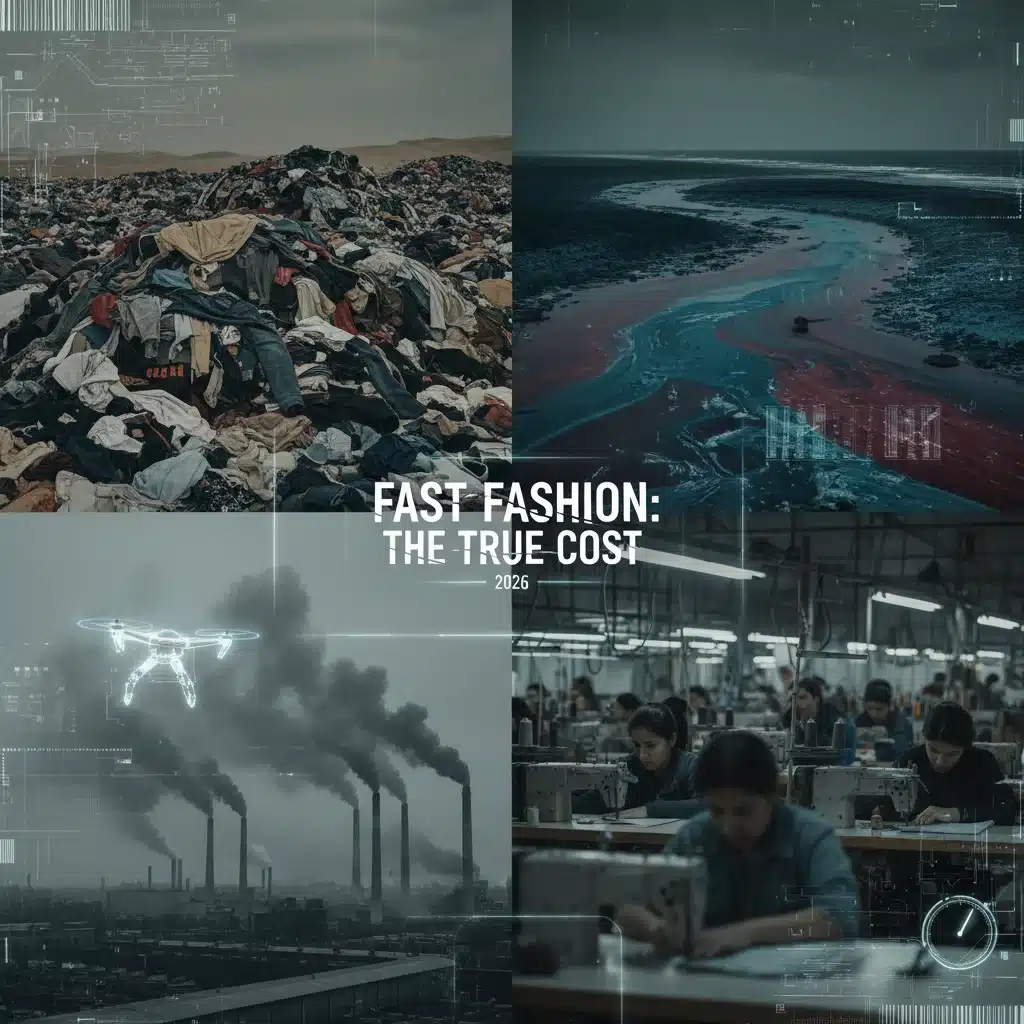
In 2026, the allure of trendy, inexpensive clothing continues to captivate consumers across the United States. However, behind the glossy storefronts and aggressive marketing campaigns lies a shadow industry: fast fashion ethics. This behemoth of rapid production, fleeting trends, and disposable garments has profound and often devastating impacts on our planet and its people. As we navigate the mid-2020s, understanding the true cost of our clothing choices has never been more critical. This article delves deep into the environmental, social, and economic ramifications of fast fashion in the US and explores the burgeoning landscape of ethical alternatives that promise a more sustainable future.
Anúncios
What is Fast Fashion and Why is it a Problem?
Fast fashion is a business model characterized by rapid production cycles, where new collections are introduced frequently to keep up with the latest trends. This model relies on cheap manufacturing, often in developing countries, and encourages consumers to buy more and discard quickly. The goal is to maximize profits by minimizing costs and speeding up the supply chain.
The problems associated with fast fashion are multi-faceted:
- Environmental Degradation: From excessive water usage in cotton cultivation to chemical-intensive dyeing processes and microplastic pollution from synthetic fabrics, the environmental footprint is immense.
- Labor Exploitation: Garment workers, predominantly women, often toil in unsafe conditions for meager wages, with limited rights and protection.
- Waste Generation: The sheer volume of clothing produced and discarded contributes significantly to landfill waste, with textiles taking hundreds of years to decompose.
- Resource Depletion: The constant demand for new materials strains natural resources, from water to fossil fuels used in synthetic fiber production.
In the US, the average consumer buys 60% more clothing today than they did 15 years ago, but keeps each garment for half as long. This consumption pattern directly fuels the fast fashion machine, making the discussion around fast fashion ethics more urgent than ever.
Anúncios
The Environmental Toll: A US Perspective in 2026
The environmental impact of fast fashion is a global crisis, but its effects are acutely felt within the United States. As one of the world’s largest consumers of clothing, the US plays a significant role in the demand for and disposal of fast fashion items. By 2026, the consequences are stark and undeniable.
Massive Textile Waste in Landfills
The Environmental Protection Agency (EPA) reports that textiles make up a substantial portion of municipal solid waste. While exact figures for 2026 are still being compiled, projections indicate an upward trend from previous years. Millions of tons of clothing are discarded annually in the US, with a significant percentage ending up in landfills. These garments, often made from synthetic materials like polyester, can take hundreds of years to decompose, releasing greenhouse gases and harmful chemicals into the soil and groundwater. Even natural fibers, when buried in oxygen-deprived landfills, produce methane, a potent greenhouse gas.
Water Pollution and Consumption
The production of fast fashion is incredibly water-intensive. Growing cotton, for instance, requires vast amounts of water, often in regions already facing water scarcity. The dyeing and finishing processes use enormous quantities of water and release toxic chemicals, heavy metals, and dyes into waterways. This pollution devastates aquatic ecosystems and poses serious health risks to communities living near textile factories, many of which are located outside the US but produce for the American market. The US consumer’s demand for new clothes indirectly contributes to this global water crisis.
Microplastic Contamination
A growing concern in 2026 is the pervasive issue of microplastic pollution. A large percentage of fast fashion garments are made from synthetic fibers such as polyester, nylon, and acrylic. Every time these clothes are washed, tiny plastic fibers (microplastics) are released into the wastewater. These microplastics bypass water treatment plants and enter rivers, lakes, and oceans, where they are ingested by marine life and eventually enter the human food chain. The long-term health effects on both ecosystems and humans are still being studied but are a significant concern for environmental scientists.
Carbon Emissions
The entire lifecycle of a fast fashion garment, from raw material extraction and manufacturing to transportation and disposal, is a significant contributor to greenhouse gas emissions. Energy is consumed at every stage, often from fossil fuel sources. The global supply chains, involving multiple stages of production and shipping across continents to reach US consumers, further exacerbate carbon footprints. As climate change intensifies, reducing these emissions becomes paramount, placing the spotlight firmly on the unsustainable practices of fast fashion.
The Human Cost: Labor Exploitation and Ethical Dilemmas
Beyond the environmental destruction, the human cost associated with fast fashion ethics is equally, if not more, disturbing. The pursuit of ever-cheaper clothing comes at the expense of human dignity and basic rights, particularly for the millions of garment workers worldwide.
Unsafe Working Conditions and Low Wages
The pressure to produce quickly and cheaply often leads to deplorable working conditions in factories, predominantly in countries like Bangladesh, Vietnam, India, and China. Workers, many of whom are women and children, face long hours, forced overtime, and exposure to hazardous chemicals without adequate protection. Factory buildings may lack proper safety standards, as tragically demonstrated by past disasters like the Rana Plaza collapse. Wages are frequently below minimum wage, making it impossible for workers to escape poverty, let alone support their families adequately. This systemic exploitation is a direct consequence of the fast fashion model’s relentless demand for lower production costs.
Lack of Worker Rights and Unionization
In many fast fashion supply chain countries, workers have limited or no rights to organize or form unions, making it difficult for them to advocate for better wages and working conditions. Brands often exert immense pressure on suppliers, who in turn squeeze their workers. This power imbalance perpetuates a cycle of exploitation, where workers have little recourse against unfair labor practices. The US, as a major market, has a responsibility to demand better transparency and accountability from the brands it supports.
Forced Labor and Child Labor Concerns
Disturbingly, reports of forced labor and child labor continue to surface within the global garment industry, particularly in the lower tiers of the supply chain. While brands often claim zero tolerance for such practices, the complexity and opaqueness of these supply chains make it challenging to verify. Consumers in the US, by purchasing from brands that lack robust ethical sourcing policies, may unknowingly be complicit in these egregious human rights violations.
Economic Implications of Fast Fashion in the US
While fast fashion offers seemingly affordable clothing, its economic implications are far-reaching and often detrimental, even within the US economy.
Impact on Local Industries
The rise of fast fashion has significantly contributed to the decline of local textile and apparel manufacturing in the US. The inability of domestic producers to compete with the ultra-low labor costs and mass production capabilities of overseas factories has led to job losses and the closure of countless American factories. This shift not only impacts employment but also diminishes the skilled labor force and infrastructure necessary for a robust domestic fashion industry.
The Illusion of Affordability
While individual fast fashion items are cheap, the cumulative cost to consumers, the environment, and society is immense. The constant need to replace poorly made garments means consumers often spend more over time than they would on higher-quality, ethically produced clothing. This disposable mindset also perpetuates a cycle of overconsumption, diverting disposable income from other sectors and contributing to personal debt for some.
Externalized Costs
The true cost of fast fashion is rarely reflected in its price tag. Many costs, such as environmental clean-up, healthcare for affected communities, and social welfare programs for displaced workers, are externalized and borne by taxpayers and the planet. If these external costs were factored into the price, fast fashion would be anything but cheap. Understanding these hidden costs is crucial for a complete picture of fast fashion ethics.
Ethical Alternatives to Fast Fashion in 2026
As awareness of the dark side of fast fashion grows, so too does the demand for more sustainable and ethical alternatives. In 2026, a vibrant and innovative landscape of conscious consumer choices is emerging, offering hope for a better future for fashion.
Embracing Slow Fashion and Quality Over Quantity
The antithesis of fast fashion, slow fashion emphasizes thoughtful consumption, quality craftsmanship, and timeless design. It encourages consumers to invest in fewer, higher-quality pieces that last longer, reducing the need for constant replenishment. This approach not only minimizes waste but also supports brands committed to ethical production and fair labor practices. Building a capsule wardrobe of versatile, durable items is a key strategy within the slow fashion movement.
The Rise of Sustainable and Ethical Brands
A growing number of brands are prioritizing fast fashion ethics by committing to sustainable materials, transparent supply chains, and fair wages. These brands often use organic cotton, recycled fabrics, hemp, linen, and innovative materials like Tencel or Piñatex. They provide clear information about their manufacturing processes, worker conditions, and environmental impact, allowing consumers to make informed choices. Supporting these brands is a direct way to vote with your wallet for a more ethical fashion industry.
Secondhand, Vintage, and Thrifting
One of the most impactful ways to combat fast fashion is to extend the life cycle of existing garments. The secondhand market, including vintage shops, consignment stores, and online platforms, has exploded in popularity. Buying pre-owned clothing not only saves money but also significantly reduces the demand for new production, conserving resources and preventing textiles from ending up in landfills. Thrifting has become a fashionable and environmentally conscious choice for many US consumers.
Renting and Swapping Clothes
For special occasions or to experiment with new styles without commitment, clothing rental services are gaining traction. These services allow consumers to wear high-quality garments for a fraction of the purchase price, reducing individual consumption. Clothing swap events, where individuals trade unwanted items, also offer a fun and sustainable way to refresh a wardrobe without contributing to new production.
Repair, Upcycle, and DIY
Instead of discarding damaged clothing, embracing repair and upcycling can give garments a new lease of life. Learning basic sewing skills, mending tears, or altering ill-fitting clothes can significantly extend their usability. Upcycling, which involves transforming old clothing into new and unique items, is a creative way to reduce waste and express personal style. The DIY movement in fashion is a powerful statement against disposable culture.
Government and Industry Initiatives in the US for Sustainable Fashion
While individual consumer choices are vital, systemic change requires broader action from governments and the industry itself. In 2026, several initiatives are underway or gaining momentum in the US to address fast fashion ethics.
Extended Producer Responsibility (EPR) Programs
There’s a growing call for EPR programs in the US, which would hold brands accountable for the entire lifecycle of their products, including their disposal. This means manufacturers would be responsible for funding and establishing systems for collecting, sorting, and recycling textiles. Such policies could incentivize brands to design for durability and recyclability, shifting the burden from municipalities and consumers.
Investment in Textile Recycling Infrastructure
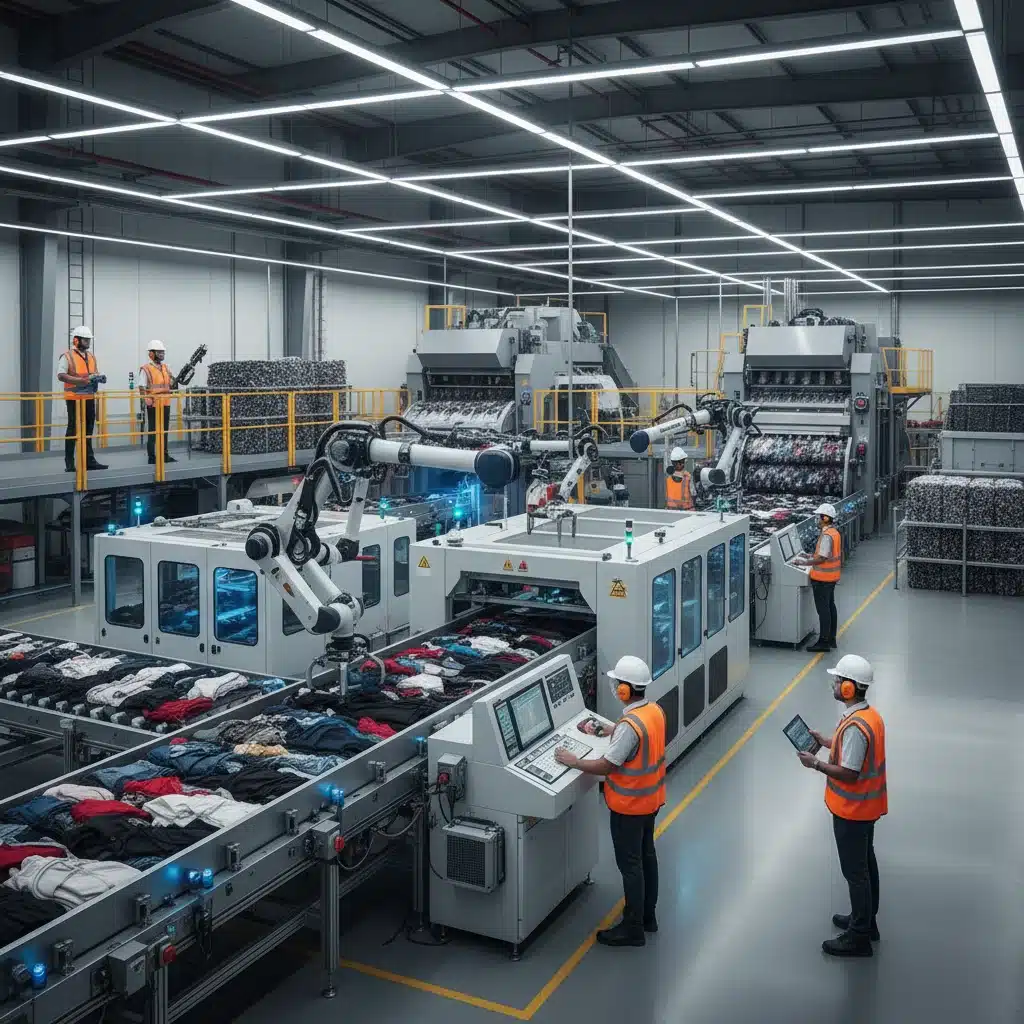
Currently, textile recycling infrastructure in the US is limited. Significant investment is needed to develop advanced recycling technologies that can efficiently process mixed fiber garments and turn them back into high-quality raw materials. Government grants, private sector investment, and public-private partnerships are crucial for scaling up these capabilities and creating a circular economy for textiles.
Transparency and Traceability Legislation
Proposed legislation aims to increase transparency in fashion supply chains, requiring brands to disclose more information about their manufacturing processes, labor practices, and environmental impact. This would empower consumers to make more informed decisions and hold brands accountable for their claims of sustainability and ethical production. The New York Fashion Act, for example, is a pioneering effort in this direction.
Consumer Education and Awareness Campaigns
Government agencies and non-profit organizations are increasingly launching campaigns to educate US consumers about the impacts of fast fashion and the benefits of sustainable alternatives. These initiatives aim to shift consumer behavior by highlighting the environmental and social costs and promoting conscious consumption habits.
The Role of Technology in Advancing Ethical Fashion
Technology is playing an increasingly vital role in addressing the challenges of fast fashion and promoting ethical practices. Innovations are emerging across the supply chain, offering solutions from design to disposal.
Blockchain for Supply Chain Transparency
Blockchain technology offers a robust solution for tracking garments from raw material to retail, providing immutable records of every step. This can significantly enhance transparency, allowing consumers to verify claims of ethical sourcing, fair labor, and sustainable manufacturing. Several brands are already experimenting with blockchain to build trust and accountability.
AI and Data Analytics for Sustainable Design and Production
Artificial intelligence and data analytics are being used to optimize production processes, reduce waste, and forecast demand more accurately, thereby minimizing overproduction. AI can also help in designing garments for durability and recyclability, and in identifying sustainable material alternatives. Predictive analytics can help brands avoid the pitfalls of excessive inventory, a major contributor to waste in the fast fashion model.
Innovative Material Science
Material scientists are developing groundbreaking sustainable fabrics from unexpected sources, including agricultural waste, algae, and even mycelium (mushrooms). These innovations offer alternatives to traditional resource-intensive materials and reduce reliance on fossil fuels. Continued research and development in this area are critical for the future of ethical fashion.
3D Printing and On-Demand Manufacturing
Advancements in 3D printing and on-demand manufacturing could revolutionize the fashion industry by allowing for localized, customized production. This reduces transportation emissions, minimizes waste from overproduction, and potentially empowers local artisans and small businesses. While still nascent for mass production, these technologies hold significant promise for a more sustainable and equitable fashion future.
Making Conscious Choices: A Consumer’s Guide in 2026
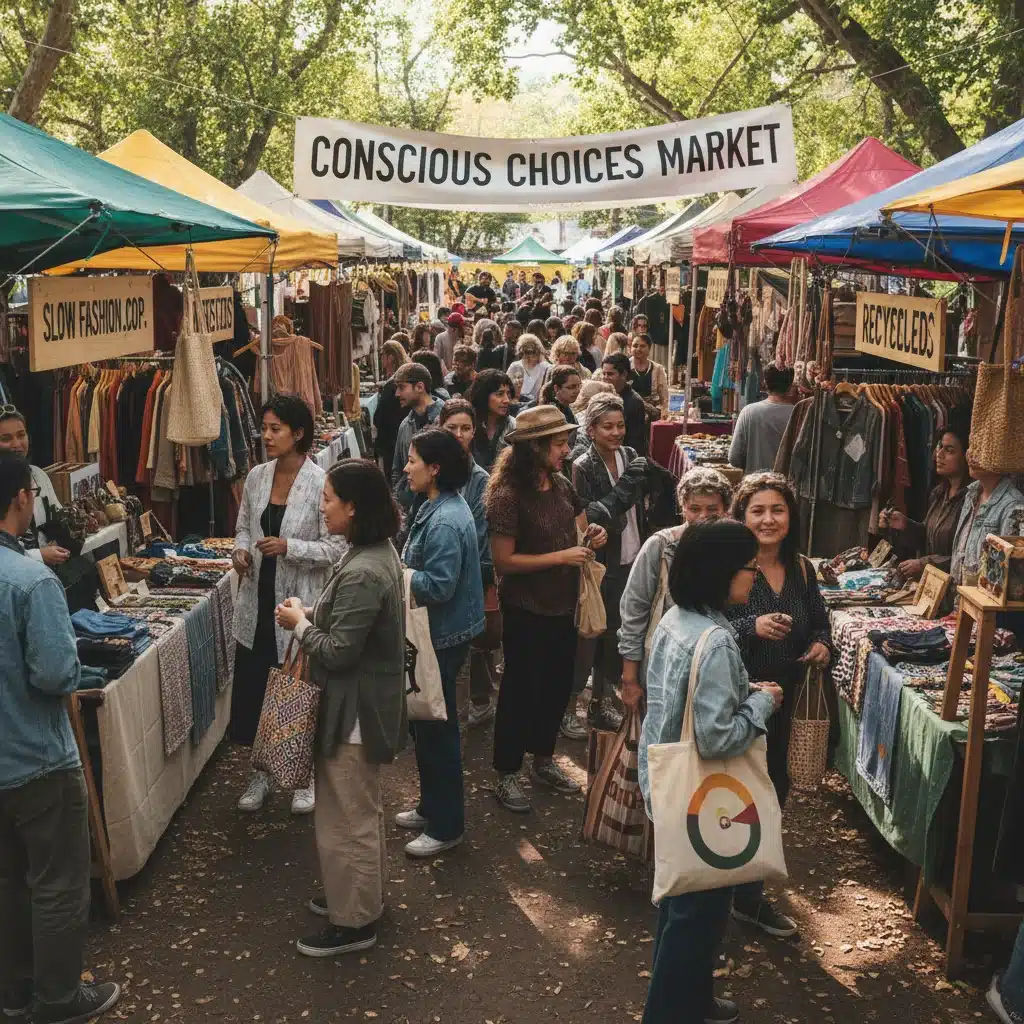
As a consumer in the US, your choices have power. Shifting away from the grip of fast fashion towards more ethical alternatives is a journey, but every step makes a difference. Here’s how you can contribute to a more sustainable fashion landscape:
Educate Yourself
Learn about the brands you support. Look for certifications like GOTS (Global Organic Textile Standard), Fair Trade Certified, or B Corp, which indicate adherence to social and environmental standards. Understand where your clothes come from and how they are made. This knowledge is the first step towards making responsible decisions regarding fast fashion ethics.
Shop Mindfully
Before making a purchase, ask yourself: Do I really need this? Will it last? Can I find a similar item secondhand? Prioritize quality over quantity and invest in versatile pieces that can be styled in multiple ways. Resist the urge to buy into fleeting trends that will quickly become obsolete.
Embrace Secondhand and Vintage
Make thrifting your first stop for new-to-you clothes. Explore local consignment shops, vintage boutiques, and online platforms like ThredUp, Poshmark, and Depop. You can find unique items and give clothes a second life, significantly reducing your environmental footprint.
Support Ethical and Sustainable Brands
Seek out brands that are transparent about their supply chains, use sustainable materials, and pay fair wages. While these items might have a higher upfront cost, their durability and positive impact often make them a more economical and ethical choice in the long run.
Care for Your Clothes
Proper garment care can extend the life of your clothing. Follow washing instructions, wash less frequently, use cold water, and air dry when possible. Repair small damages promptly to prevent them from worsening. This simple act reduces waste and saves resources.
Donate and Recycle Responsibly
When you no longer need an item, consider donating it to charities or selling it. For clothes that are beyond repair or wear, look for textile recycling programs in your community. Many brands also offer take-back programs for their old garments. Avoid simply throwing clothes in the trash.
Conclusion: A Call to Action for a Sustainable Fashion Future
The true cost of fast fashion in 2026 is a heavy burden, encompassing environmental destruction, human exploitation, and economic inefficiencies. However, the growing awareness and the proliferation of ethical alternatives offer a beacon of hope. By understanding the profound impact of our clothing choices and actively seeking out sustainable options, US consumers can drive significant change.
Shifting away from fast fashion is not just about individual purchasing decisions; it’s about fostering a cultural change towards valuing quality, durability, and ethical production. It requires a collective effort from consumers, brands, and governments to build a fashion industry that respects both people and the planet. Let us embrace the principles of fast fashion ethics, champion sustainable innovation, and work towards a future where fashion is a force for good, not harm. The power to transform the industry lies in our hands, one conscious choice at a time.