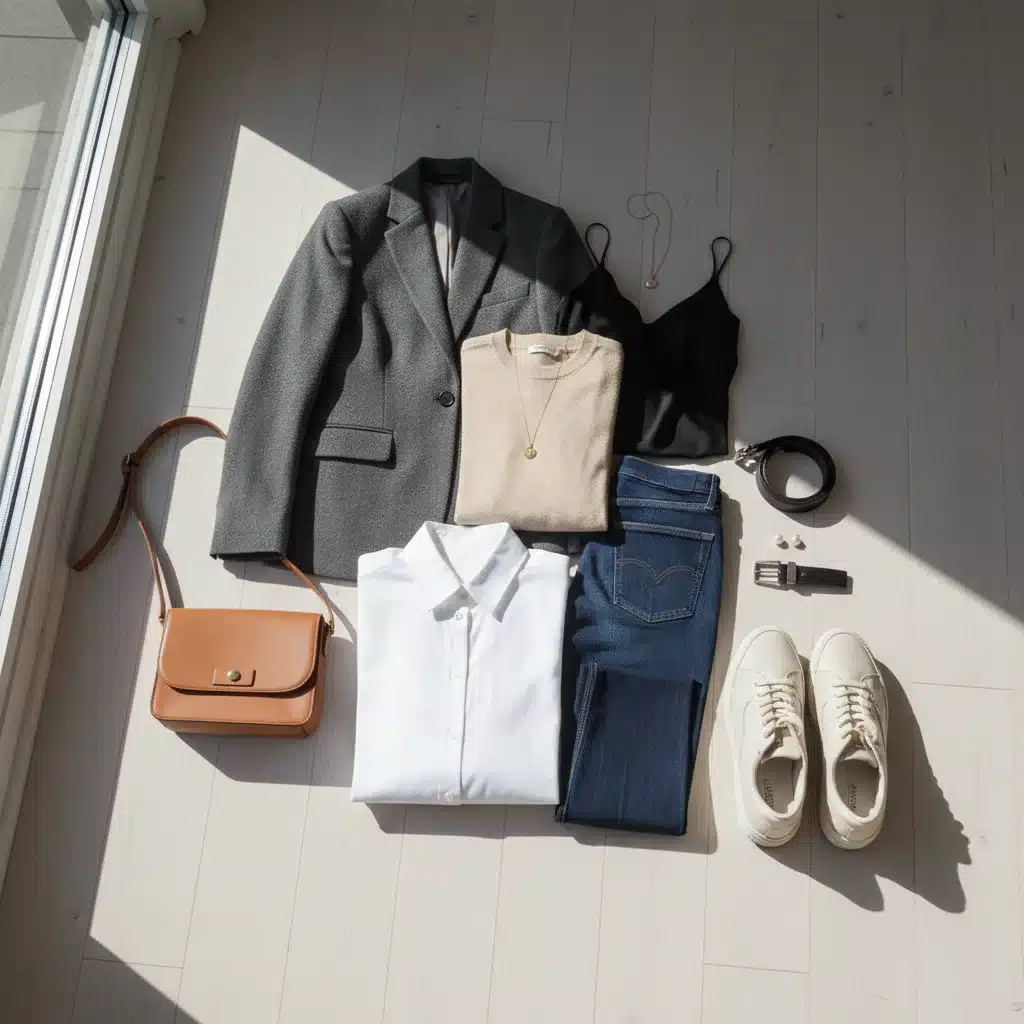
Smart Spending: How to Build a High-Quality Essential Wardrobe in 2026 for Under $500
In an era where fast fashion often dictates trends and consumption, the idea of building a high-quality, essential wardrobe for under $500 might seem like an impossible dream. However, with strategic planning, conscious choices, and a focus on timeless pieces, it’s not only achievable but also incredibly rewarding. This comprehensive guide will walk you through the process, ensuring you curate a versatile, durable, and stylish collection without breaking the bank in 2026.
Anúncios
The concept of a ‘budget essential wardrobe’ revolves around smart spending and mindful consumption. It’s about investing in pieces that serve multiple purposes, stand the test of time, and reflect your personal style, rather than chasing fleeting trends. By the end of this article, you’ll have a clear roadmap to a wardrobe that looks expensive, feels great, and fits your financial goals.
Why a Budget Essential Wardrobe Matters in 2026
The fashion industry is constantly evolving, and with it, the conversation around sustainability, ethics, and personal finance. In 2026, these topics are more relevant than ever. Building a budget essential wardrobe isn’t just about saving money; it’s about making deliberate choices that benefit your wallet, the environment, and your overall well-being. It reduces decision fatigue, minimizes clutter, and ensures you always have something appropriate to wear, regardless of the occasion.
Furthermore, the focus on high quality within a budget means prioritizing durability. Instead of buying numerous cheap items that quickly wear out, you’ll invest in fewer, better-made pieces that last longer, ultimately saving you money in the long run. This approach counters the throwaway culture of fast fashion, promoting a more sustainable and intentional way of dressing.
Anúncios
Phase 1: Preparation – Setting the Foundation for Your Budget Essential Wardrobe
Before you even think about shopping, preparation is key. This initial phase is crucial for defining your needs, understanding your style, and setting realistic expectations for your $500 budget.
1. Wardrobe Audit: What Do You Already Own?
Start by taking everything out of your closet. Yes, everything. This can be an overwhelming task, but it’s vital. Categorize your clothes into three piles:
This audit helps you identify gaps in your current wardrobe and prevents you from buying duplicates. It also gives you a clear picture of what ‘essential’ means for your specific lifestyle.
2. Define Your Personal Style and Lifestyle Needs
Your budget essential wardrobe should reflect who you are and what you do. Ask yourself:
Create a mood board (physical or digital) with images that inspire you. This will help solidify your aesthetic and guide your purchasing decisions, ensuring every new item contributes to a cohesive look.
3. Research and Budget Allocation for Your Budget Essential Wardrobe
With a $500 budget, every dollar counts. Research average prices for the high-quality essential pieces you’re looking for. This will help you allocate your budget effectively. For example, you might decide to spend more on a durable pair of jeans and a versatile blazer, and less on basic t-shirts.
Consider the following categories for your budget allocation:
- Tops: Basic tees, button-downs, sweaters.
- Bottoms: Jeans, trousers, skirts.
- Outerwear: Blazer, light jacket.
- Dresses: Versatile dress (optional).
- Shoes: One versatile pair (e.g., white sneakers, classic flats).
- Accessories: Belt, scarf (optional).
Remember, this is a ‘budget essential wardrobe,’ so prioritize versatility and foundational pieces over trendy items.
Phase 2: Smart Shopping Strategies for Under $500
Now that you’ve prepared, it’s time to shop strategically. This phase focuses on where and how to find high-quality items without exceeding your $500 limit.
1. Prioritize Quality Over Quantity
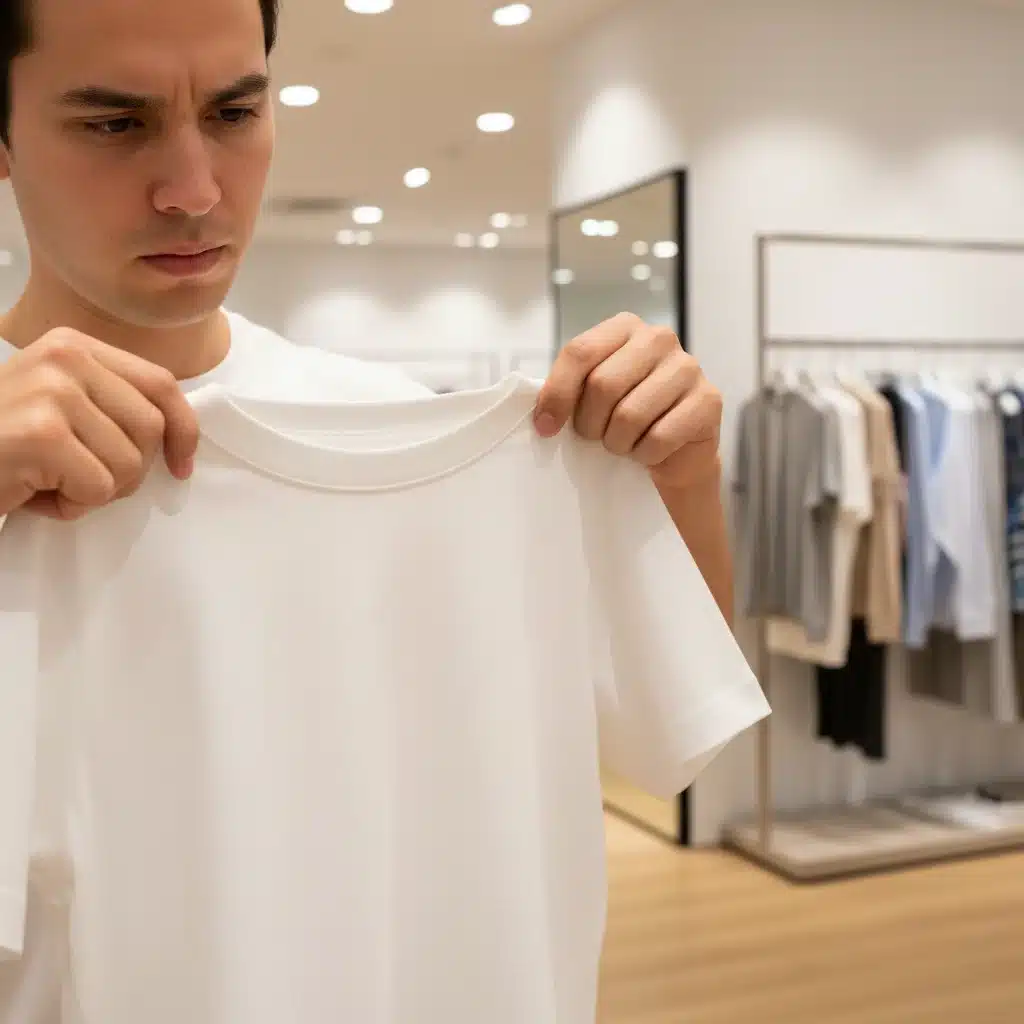
This is the golden rule for building a budget essential wardrobe. A single, well-made item will outlast and outperform several cheaper alternatives. Focus on natural fibers like cotton, linen, wool, and silk, which are generally more durable and breathable. Check stitching, seams, and hardware (zippers, buttons) for signs of quality craftsmanship.
Learning to discern quality fabrics and construction is a skill that will serve you well in all your future fashion purchases. It’s an investment in knowledge that pays dividends in longevity.
2. Embrace Second-Hand and Vintage Shopping
Thrift stores, consignment shops, and online marketplaces (like Poshmark, eBay, Depop, The RealReal) are treasure troves for high-quality items at a fraction of their original price. Many designer pieces or well-made basics can be found in excellent condition. This is an incredible way to stretch your $500 budget while also being environmentally conscious.
Tips for second-hand shopping:
- Be patient: Finding gems takes time.
- Inspect carefully: Look for stains, tears, or excessive wear.
- Know your brands: Research brands known for durability.
- Think alterations: Sometimes a slightly ill-fitting piece can be perfect with minor adjustments.
This approach significantly enhances your ability to build a high-quality budget essential wardrobe.
3. Shop Sales and Outlet Stores Wisely
Seasonal sales, clearance racks, and outlet stores can offer significant discounts on new, high-quality items. However, approach these with caution. Only buy items that are on your pre-defined list and align with your style and needs. Don’t be swayed by a good deal if the item isn’t truly essential for your budget essential wardrobe.
Sign up for newsletters from your favorite brands to be notified of sales, but maintain your discipline. Impulse purchases are the enemy of a well-curated, budget-friendly wardrobe.
4. Consider Direct-to-Consumer Brands
Many direct-to-consumer (DTC) brands have emerged, offering high-quality basics at more accessible prices by cutting out middlemen. Research brands known for ethical production and durable materials. While some might be slightly above typical fast-fashion prices, their longevity makes them a more economical choice in the long run for your budget essential wardrobe.
Phase 3: Curating Your Core Budget Essential Wardrobe Pieces
With your $500 budget in mind, let’s break down the types of pieces that form the backbone of a high-quality essential wardrobe. The goal is versatility – each item should be able to be mixed and matched to create multiple outfits.
1. The Foundation: Versatile Tops (Approx. $100-$150)
- 2-3 Basic T-shirts: White, black, and a neutral (grey, navy, or beige). Look for 100% cotton or a high-quality cotton blend. (Estimated cost: $15-$30 each)
- 1-2 Long-Sleeved Tops: Similar neutral colors, ideal for layering. (Estimated cost: $20-$40 each)
- 1 Classic Button-Down Shirt: White or light blue, preferably cotton or linen. Can be dressed up or down. (Estimated cost: $30-$60)
- 1 Versatile Sweater/Cardigan: A crew neck or V-neck in a neutral color (wool, cashmere blend if found second-hand, or a high-quality cotton blend). (Estimated cost: $40-$80)
2. The Bottom Line: Durable Bottoms (Approx. $150-$200)
- 1 Pair of Dark Wash Jeans: Straight leg or slim fit, without distressing. A timeless classic. (Estimated cost: $40-$80, often found for less second-hand)
- 1 Pair of Tailored Trousers: Black, navy, or charcoal grey. A versatile cut that can go from casual to formal. (Estimated cost: $50-$100)
- 1 Versatile Skirt (Optional, or another pair of trousers): A midi-length A-line or pencil skirt in a solid neutral color. (Estimated cost: $30-$70)
3. The Outer Layer: Essential Outerwear (Approx. $100-$150)
- 1 Classic Blazer: Black, navy, or grey. Instantly elevates any outfit. Can often be found second-hand in excellent condition. (Estimated cost: $50-$100)
- 1 Light Jacket: A denim jacket, utility jacket, or a simple trench coat. Choose based on your climate and style. (Estimated cost: $40-$80)
4. Footwear and Accessories (Approx. $50-$100)
- 1 Pair of Versatile Shoes: White sneakers (classic leather or canvas) or classic flats/loafers in a neutral color. Choose based on your primary needs. (Estimated cost: $40-$80)
- 1 Classic Belt: Black or brown leather. (Estimated cost: $15-$30)
- Optional: A versatile scarf or a simple piece of jewelry to add personality.
By carefully selecting these pieces, you’ll have a cohesive collection that can be mixed and matched to create dozens of outfits. This is the essence of a budget essential wardrobe.
Phase 4: Maximizing Your Budget Essential Wardrobe
Once you’ve acquired your core pieces, the next step is to make the most of them. This involves understanding how to style, care for, and integrate your new items into your daily life.
1. Master the Art of Layering
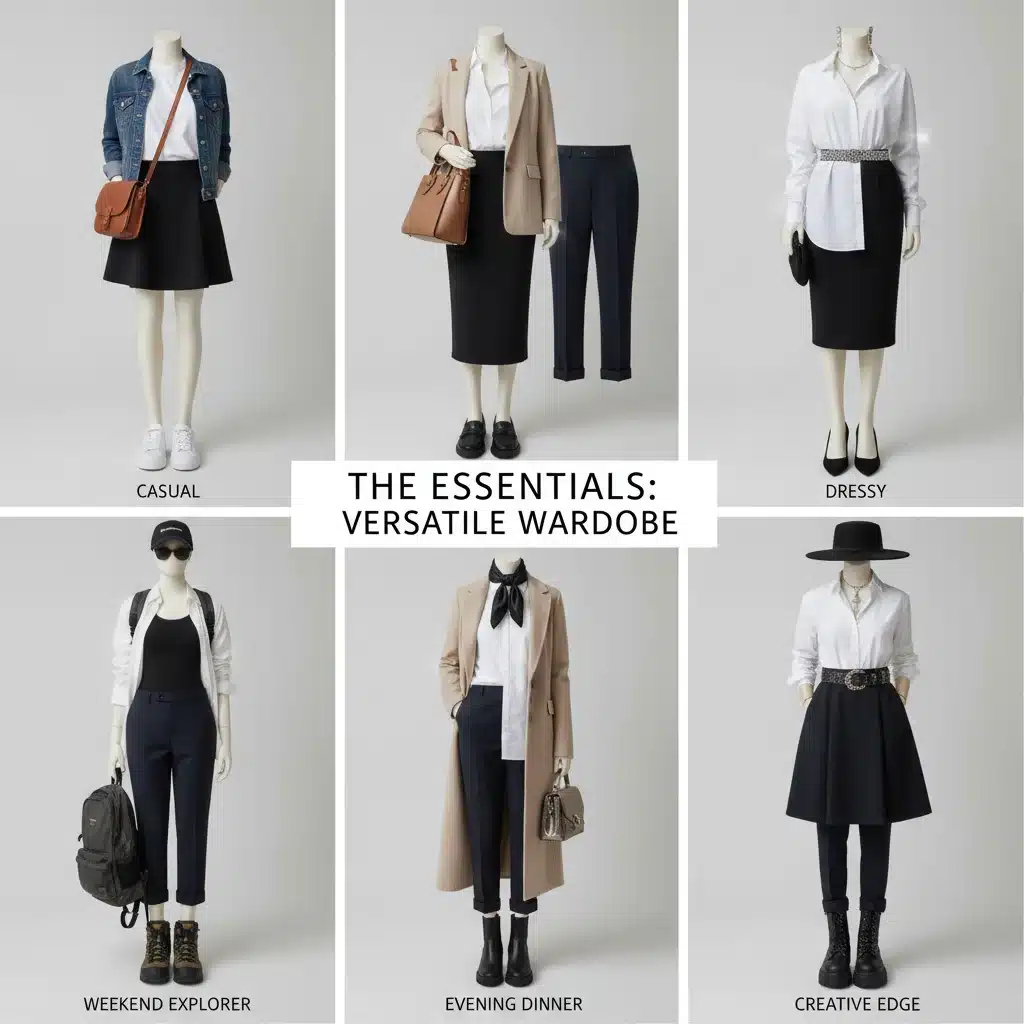
Layering is a powerful tool for versatility. A basic t-shirt under a button-down, topped with a sweater and a blazer, creates warmth, texture, and visual interest. It also allows your budget essential wardrobe to adapt to different temperatures and occasions.
2. Mix and Match for Endless Outfits
The beauty of a budget essential wardrobe is its interchangeability. Every top should ideally go with every bottom, and every outer layer should complement most outfits. Experiment with different combinations to discover new looks. Take photos of successful outfits for future reference.
3. Accessorize Thoughtfully
Accessories are where you can inject personality and elevate simple outfits without spending a lot. A statement necklace, a colorful scarf, or a stylish watch can completely transform a basic look. These don’t need to be expensive; focus on pieces that resonate with your personal style.
4. Proper Garment Care for Longevity
To ensure your high-quality pieces last, proper care is crucial. Follow washing instructions carefully, air-dry delicate items, and store clothes appropriately. Investing in good hangers and a fabric shaver can also extend the life of your garments. This proactive approach saves money on replacements and keeps your budget essential wardrobe looking fresh.
5. Personalize with Your Existing Items
Don’t discard all your old clothes. Some items that didn’t make the ‘essential’ cut might still have sentimental value or unique flair. Use these sparingly to add a personal touch to your core budget essential wardrobe, ensuring your style remains distinct.
Budget Breakdown Example (Illustrative)
Here’s a hypothetical breakdown to show how a $500 budget could be allocated for a budget essential wardrobe:
- Basic T-shirts (3 @ $20 each): $60
- Long-Sleeved Top (1 @ $30): $30
- Classic Button-Down (1 @ $50): $50
- Versatile Sweater (1 @ $70): $70
- Dark Wash Jeans (1 @ $60): $60
- Tailored Trousers (1 @ $70): $70
- Classic Blazer (1 @ $80): $80
- White Sneakers (1 @ $50): $50
- Classic Belt (1 @ $30): $30
- Total: $500
This example demonstrates that it is indeed possible to acquire essential, high-quality pieces within the $500 limit, especially when factoring in second-hand finds and sale shopping. The key is strict adherence to your list and prioritizing versatility.
Common Pitfalls to Avoid When Building a Budget Essential Wardrobe
Even with the best intentions, it’s easy to make mistakes. Be mindful of these common pitfalls:
- Impulse Buys: Stick to your list! A ‘great deal’ isn’t great if you don’t need the item.
- Chasing Trends: Fast fashion trends quickly become outdated. Focus on timeless styles for your budget essential wardrobe.
- Ignoring Fit: Even the most expensive garment looks cheap if it doesn’t fit well. Prioritize fit, and be open to minor alterations.
- Neglecting Care: Poor garment care will quickly diminish the quality and lifespan of your clothes.
- Buying for a Hypothetical Life: Purchase clothes for the life you have now, not the one you wish you had.
- Underestimating the Power of Accessories: Don’t overlook how accessories can transform and personalize your limited pieces.
The Long-Term Benefits of a Budget Essential Wardrobe
Beyond the immediate financial savings, building a budget essential wardrobe offers numerous long-term advantages:
- Financial Freedom: You’ll spend less money on clothing over time, freeing up resources for other goals.
- Reduced Decision Fatigue: Having fewer, more versatile options simplifies getting dressed each day.
- Sustainable Living: By buying fewer, more durable items, you reduce your environmental footprint.
- Enhanced Personal Style: A curated wardrobe forces you to understand and refine your personal aesthetic.
- Less Clutter: A minimalist wardrobe means a tidier closet and less stress.
Embracing the concept of a budget essential wardrobe is a journey towards intentional living and conscious consumption. It’s about finding joy in simplicity and confidence in knowing that every piece you own serves a purpose and reflects your values.
Conclusion: Your Stylish and Sustainable Budget Essential Wardrobe Awaits
Building a high-quality, essential wardrobe for under $500 in 2026 is entirely feasible with a thoughtful approach. By conducting a thorough wardrobe audit, defining your style, prioritizing quality, and employing smart shopping strategies, you can curate a collection of versatile, durable, and stylish pieces.
Remember, this isn’t about deprivation; it’s about empowerment. It’s about making conscious choices that align with your financial goals and personal values, leading to a wardrobe that serves you well for years to come. Start your journey today and discover the freedom and confidence that comes with a perfectly curated budget essential wardrobe.
Happy styling!