2026 Wardrobe Essentials: Sustainable Smartwear & Adaptive Fashion
Anúncios
Decoding 2026 Trends: Which 2 New Wardrobe Staples Are Truly Essential for the U.S. Market?
The fashion world is a dynamic entity, constantly shifting, evolving, and redefining what it means to be stylish, comfortable, and relevant. As we hurtle towards 2026, the U.S. market is poised for a significant transformation in its sartorial landscape. Gone are the days when fashion was solely about aesthetics; today, it’s a complex interplay of sustainability, technology, inclusivity, and personal expression. This article will delve deep into identifying the two truly essential new wardrobe staples for 2026: Sustainable Smartwear and Adaptive Fashion. These aren’t just fleeting trends; they represent fundamental shifts in consumer values and technological advancements that will reshape our closets and our understanding of what clothing can and should be.
Anúncios
The Rise of Sustainable Smartwear: More Than Just a Gadget
The first undeniable wardrobe staple for 2026 is Sustainable Smartwear. This isn’t just about embedding a chip into a shirt; it’s about the seamless integration of technology into clothing with a conscientious nod to environmental and ethical considerations. Consumers are increasingly demanding products that not only perform well but also align with their values. The convergence of smart technology and sustainable practices is creating a new category of clothing that is both innovative and responsible.
What Defines Sustainable Smartwear?
Sustainable smartwear encompasses garments that utilize advanced textiles and integrated electronics to offer functionalities beyond traditional clothing, all while minimizing their environmental footprint. Key characteristics include:
- Eco-Friendly Materials: Think recycled polyester, organic cotton, Tencel, hemp, and innovative bio-based fabrics. The entire lifecycle of the material, from sourcing to disposal, is considered.
- Ethical Production: Fair labor practices, transparent supply chains, and reduced waste during manufacturing are paramount.
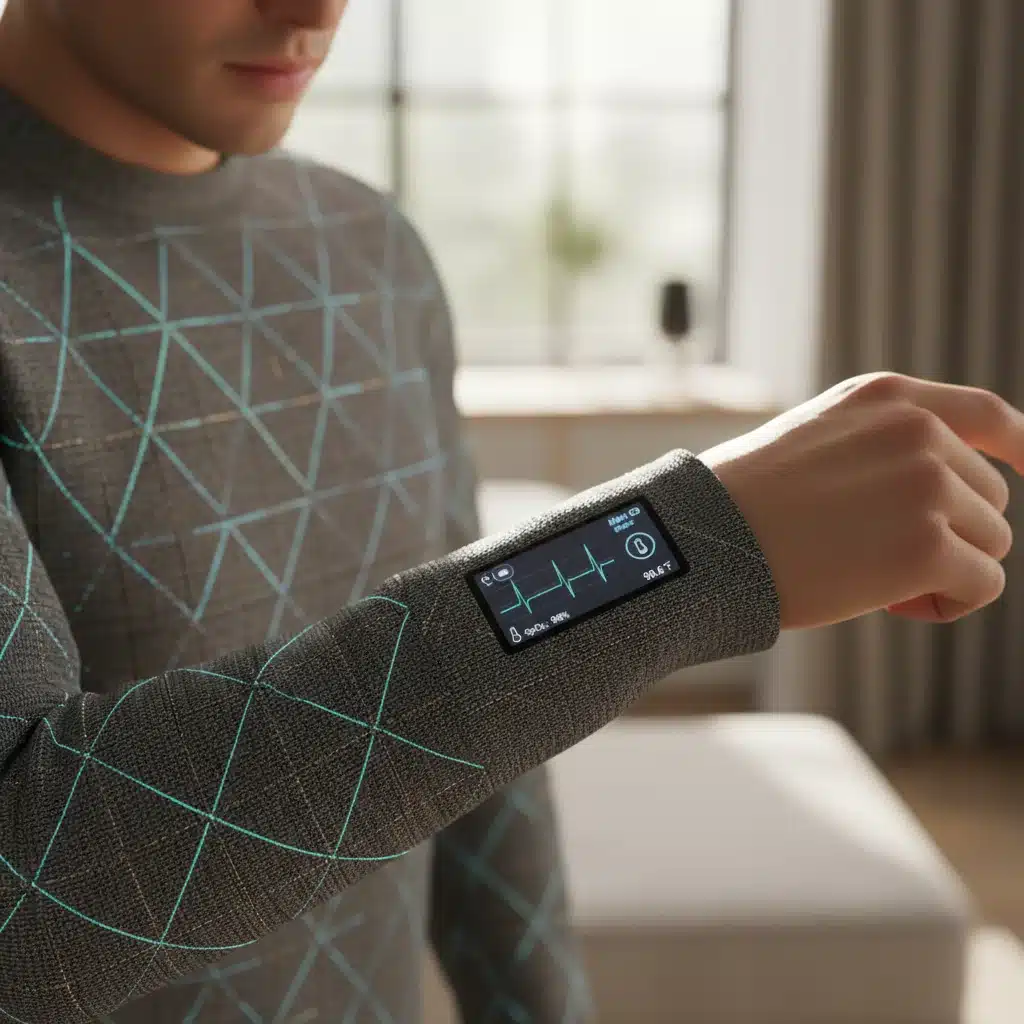
- Integrated Technology: This can range from subtle features like UV protection sensors and temperature-regulating fabrics to more advanced functionalities such as biometric monitoring, self-cleaning properties, or even energy harvesting capabilities.
- Durability and Longevity: Sustainable smartwear is designed to last, reducing the need for frequent replacements and combating fast fashion’s disposable culture.
- Repairability and Recyclability: The ability to easily repair or recycle garments at the end of their life cycle is a crucial aspect of their sustainability.
Why is Sustainable Smartwear Becoming Essential?
Several factors are driving the essentiality of sustainable smartwear:
Anúncios
- Environmental Consciousness: Climate change and resource depletion are no longer abstract concepts. Consumers, particularly younger generations, are actively seeking ways to reduce their environmental impact. Sustainable fashion offers a tangible way to do this.
- Health and Wellness Focus: The pandemic accelerated a global focus on health. Smartwear that monitors vital signs, tracks fitness, or even offers therapeutic benefits (e.g., compression, targeted heat) will become indispensable for many. Imagine a shirt that tells you when your posture is off or a pair of socks that prevents athlete’s foot.
- Convenience and Efficiency: From self-cleaning fabrics that reduce laundry needs to garments that adapt to changing weather conditions, smartwear offers unparalleled convenience. This aligns with the fast-paced modern lifestyle where time is a precious commodity.
- Technological Advancements: Miniaturization of electronics, development of flexible sensors, and breakthroughs in conductive threads are making it easier and more aesthetic to integrate technology into clothing without sacrificing comfort or style.
- Data-Driven Personalization: Smartwear can collect data that allows for highly personalized experiences, from tailored fitness routines to customized temperature control, making clothing truly an extension of the individual.
Examples and Future Outlook
Imagine a business suit that monitors your stress levels and subtly adjusts its ventilation, or activewear that optimizes your workout by tracking muscle fatigue. Companies are already innovating in this space. For instance, brands are developing textiles that can regulate body temperature without bulky layers, or sportswear that integrates discreet sensors to provide real-time performance feedback. The future of Sustainable Smartwear is not just about novelty; it’s about creating a harmonious blend of fashion, function, and ecological responsibility that will define the 2026 wardrobe staples.
Adaptive Fashion: Designing for Dignity and Universal Appeal
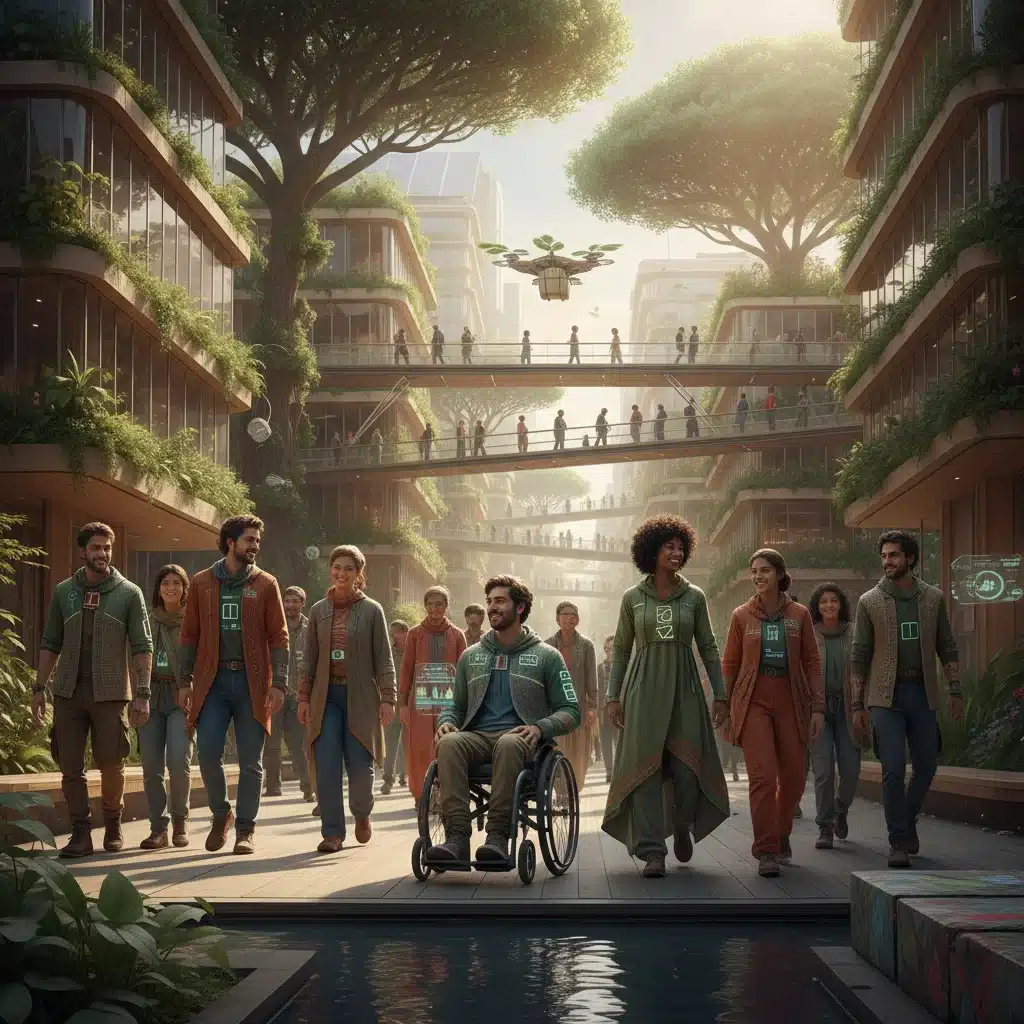
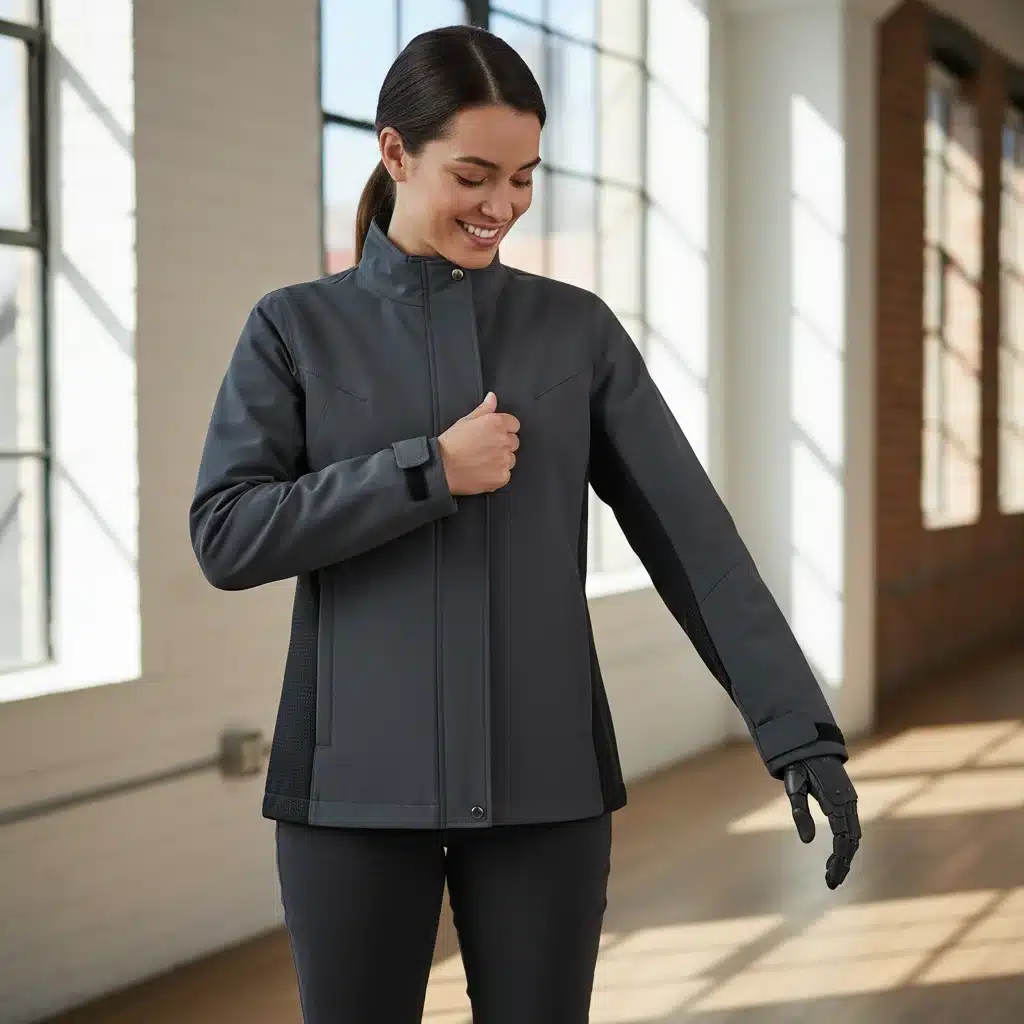
The second essential wardrobe staple for 2026 is Adaptive Fashion. This category of clothing is designed with people with disabilities in mind, but its principles of ease, comfort, and thoughtful design are increasingly appealing to a broader demographic. As society becomes more inclusive and aware, the demand for clothing that caters to a wider range of physical abilities and needs will only grow. Adaptive fashion is not just a niche market; it’s a movement towards universal design in clothing.
What Defines Adaptive Fashion?
Adaptive fashion focuses on functional solutions that make dressing easier, more comfortable, and more dignified for individuals facing various challenges. This includes, but is not limited to, people with physical disabilities, the elderly, those recovering from surgery, or even parents dressing young children. Key features often include:
- Easy Closures: Magnetic buttons, Velcro, snap fasteners, and larger zippers replace traditional buttons and small hooks, making garments easier to fasten for those with limited dexterity.
- Accessible Designs: Features like side openings, adjustable waistbands, pull-on styles, and extra room for prosthetics or medical devices.
- Comfort-Focused Materials: Soft, stretchable, and hypoallergenic fabrics that prevent chafing or irritation, crucial for individuals with sensitive skin or who spend extended periods seated.
- Seated Designs: Trousers with higher backs and shorter fronts, or jackets designed to avoid bunching when seated in a wheelchair.
- Discreet Medical Access: Hidden openings or pockets for feeding tubes, catheters, or ostomy bags, allowing for easy access without compromising style.
- Sensory-Friendly Options: Tagless garments, flat seams, and fabrics without irritating textures for individuals with sensory sensitivities.
Why is Adaptive Fashion Becoming Essential?
The growing prominence of adaptive fashion as a 2026 wardrobe staple is driven by several powerful trends:
- Demographic Shifts: The global population is aging, and with age often come physical challenges that make traditional clothing difficult. The U.S. has a significant and growing population of individuals with disabilities who represent a substantial consumer base.
- Increased Awareness and Advocacy: Disability rights movements and increased media representation are fostering greater awareness and demand for inclusive products across all sectors, including fashion.
- Universal Design Principles: The concept that good design benefits everyone is gaining traction. Features initially designed for specific needs often prove beneficial for a wider audience. For example, magnetic closures are not just for those with dexterity issues; they are convenient for anyone.
- Breakdown of Stigma: Historically, adaptive clothing was often perceived as clinical or unstylish. Modern adaptive fashion brands are challenging this by prioritizing aesthetics, ensuring that functional clothing is also fashionable.
- Economic Opportunity: The market for adaptive clothing is significant and largely underserved. Brands recognizing this are investing in innovative designs, making it a lucrative and socially responsible venture.
Examples and Future Outlook
Major retailers and dedicated adaptive brands are already making strides. Tommy Hilfiger’s Adaptive line, for example, has been a trailblazer, offering stylish clothing with magnetic closures, adjustable hems, and sensory-friendly features. Other brands are developing jeans that accommodate seated positions, shirts with one-handed zippers, and footwear designed for easy entry. The future sees adaptive fashion not as a separate category, but as an integrated aspect of mainstream design, where functionality and style coexist seamlessly. As one of the critical 2026 wardrobe staples, adaptive fashion will ensure that personal style is accessible to everyone, promoting dignity and self-expression for all.
The Intersecting Future: How These Staples Will Coexist
While Sustainable Smartwear and Adaptive Fashion are distinct categories, their futures are not mutually exclusive. In fact, there’s a strong likelihood of significant overlap, creating even more innovative and impactful clothing options. Imagine a piece of adaptive smartwear: a jacket with magnetic closures (adaptive) made from recycled, temperature-regulating fabric (sustainable) that also monitors your heart rate and sends alerts to a caregiver if an anomaly is detected (smart). This convergence represents the pinnacle of future fashion – clothing that is responsible, functional, and universally accessible.
Challenges and Opportunities
Of course, the path to widespread adoption of these 2026 wardrobe staples is not without its challenges. For sustainable smartwear, issues like the recyclability of integrated electronics, the cost of advanced materials, and data privacy concerns need to be addressed. For adaptive fashion, the challenge lies in scaling production to meet diverse needs, educating mainstream designers, and ensuring that aesthetic appeal is never compromised for functionality.
However, the opportunities far outweigh the challenges. These trends represent a chance for the fashion industry to redefine its purpose, moving beyond superficial trends to offer true value to consumers. By embracing sustainability and inclusivity, brands can build stronger, more loyal customer bases and contribute positively to society and the environment.
Integrating 2026 Wardrobe Staples into Your Lifestyle
As these new 2026 wardrobe staples become more prevalent, consumers will find it easier to integrate them into their daily lives. For those prioritizing sustainability, seeking out brands that offer transparent supply chains and eco-friendly materials in their smartwear purchases will be key. Look for certifications and detailed product information that verifies environmental claims. Consider the longevity of the garment and its potential for repair or recycling.
For individuals or families benefiting from adaptive fashion, the increasing availability means more choices that blend seamlessly with personal style. No longer will adaptive clothing be confined to specialized catalogs; it will be found in mainstream stores, offering fashionable solutions that enhance independence and comfort. Pay attention to features like ease of dressing, comfort of fabrics, and how well the garment integrates with any mobility aids or medical devices.
The beauty of these emerging staples is their potential to empower. Sustainable smartwear empowers us to make environmentally conscious choices while benefiting from technological innovation. Adaptive fashion empowers individuals to dress themselves with ease and confidence, promoting autonomy and self-expression. Both contribute to a more thoughtful and human-centric approach to clothing.
The Economic Impact and Market Growth
The economic implications of these two 2026 wardrobe staples are substantial. The sustainable fashion market is projected to grow significantly, driven by consumer demand and regulatory pressures. Similarly, the adaptive clothing market, while historically underserved, is experiencing rapid expansion as brands recognize its immense potential. This growth will spur innovation, create new jobs, and attract investment into research and development for new materials and technologies.
Retailers who embrace these trends early will gain a competitive advantage. This involves not only stocking relevant products but also educating consumers, providing accessible shopping experiences, and championing the values that these staples represent. The U.S. market, known for its consumer-driven dynamics, is particularly ripe for this transformation. As awareness grows, so too will the expectation that clothing should do more than just cover the body – it should serve a purpose, reflect values, and enhance lives.
Conclusion: A Future of Conscious and Connected Dressing
As we look to 2026, the U.S. wardrobe is set to become more intelligent, more responsible, and more inclusive. The essential new wardrobe staples will not be dictated by fleeting trends but by fundamental shifts in how we live, what we value, and what technology allows us to achieve. Sustainable Smartwear will offer unparalleled functionality with an ecological conscience, while Adaptive Fashion will ensure that style and comfort are accessible to everyone, regardless of physical ability.
These two categories are more than just clothing; they are reflections of a society that is becoming more thoughtful, more connected, and more empathetic. Embracing these staples means embracing a future where fashion is a force for good, enhancing individual well-being and contributing to a healthier planet. Prepare your closets, because the future of fashion is here, and it’s both smart and universally welcoming.